South African livestock farming is experiencing a transformation as new technologies are adopted to improve productivity, efficiency, and animal health. Farmers are increasingly turning to digital tools, data analytics, and precision farming methods to manage herds, monitor animal welfare, and optimize production. These innovations are helping producers respond to challenges such as climate variability, disease management, and market demands while reducing operational costs. From small-scale communal farmers to large commercial operations, technology is shaping the way livestock is raised across the country.
One of the key trends is the use of wearable sensors and tracking devices for livestock monitoring. GPS collars and smart tags allow farmers to track animal movements, detect early signs of illness, and monitor grazing patterns. This real-time data enables informed decision-making, reduces losses from disease, and improves overall herd management. Technologies like automated feeders and climate-controlled housing systems also enhance animal welfare and increase growth rates, ensuring livestock remain healthy under variable environmental conditions.
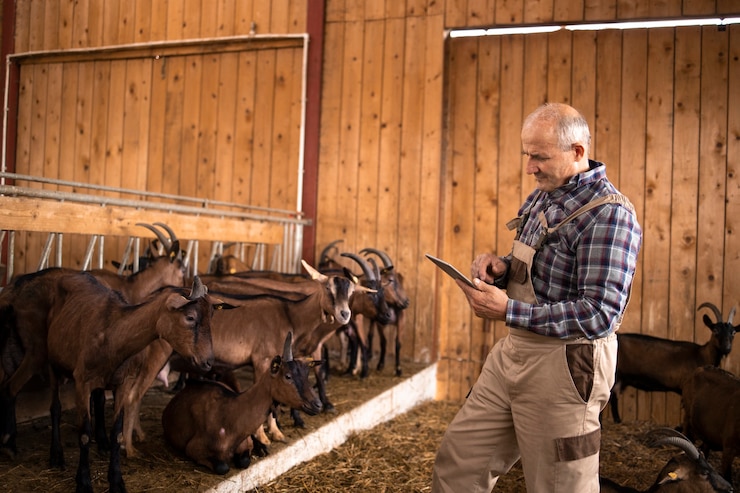
Digital platforms and farm management software are becoming essential for record-keeping, breeding programs, and production planning. Farmers can now record vaccination schedules, track growth rates, and monitor feed efficiency, all from mobile devices. These systems provide insights that improve herd performance, reduce resource wastage, and ensure compliance with industry regulations. Online marketplaces and auction platforms also allow farmers to connect with buyers and expand their market reach, increasing profitability and supporting sustainable business growth.
Precision livestock farming is another major trend, integrating data analytics, artificial intelligence, and automated systems. AI-driven tools can predict disease outbreaks, optimize feeding regimes, and suggest genetic improvements to boost herd quality. Drones and satellite imagery are used to monitor pastures, assess forage availability, and manage water resources, helping farmers maximize productivity while protecting the environment. These technologies are particularly valuable in regions with harsh climates or limited resources, where efficient management can determine farm sustainability.
Adoption of biotechnology and genetic selection is also reshaping livestock farming in South Africa. Farmers are increasingly using selective breeding, artificial insemination, and embryo transfer to improve herd performance, disease resistance, and fertility. Combined with data-driven insights, these practices support long-term herd improvement and increase resilience against environmental and market pressures.
Technology is redefining the future of South African livestock farming by improving efficiency, sustainability, and profitability. Farmers who embrace innovation gain a competitive edge, reduce risks, and build stronger, healthier herds. As digital tools, precision farming, and biotechnology continue to advance, the livestock sector is poised for growth, creating opportunities for both commercial and emerging farmers across the country.
Join 'Farmers Mag' WhatsApp Channel
Get the latest Farming news and tips delivered straight to your WhatsApp
CLICK HERE TO JOIN