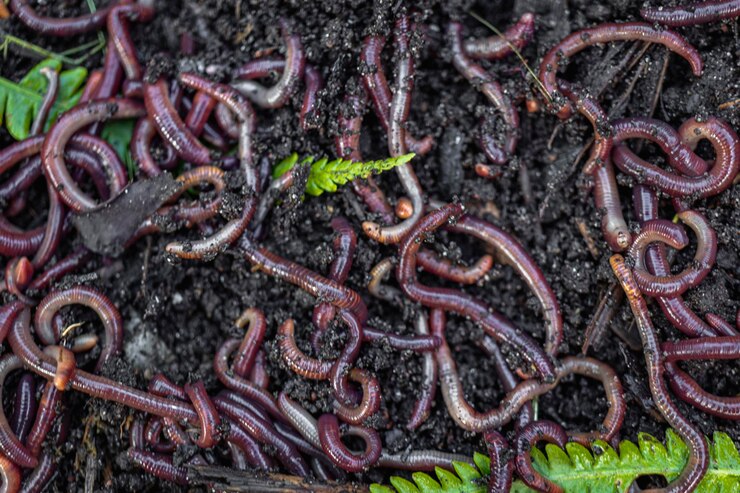
Worm farming, also known as vermiculture, is emerging as a practical and profitable way to transform organic waste into valuable resources. By cultivating earthworms, farmers and entrepreneurs can produce nutrient-rich compost and liquid fertilizers, which improve soil health and increase crop yields. This approach not only reduces organic waste but also provides a sustainable source of income for households and small-scale farmers.
Vermiculture uses worms to break down food scraps, garden waste, and agricultural by-products into vermicompost, a highly effective natural fertilizer. The compost is rich in essential nutrients like nitrogen, phosphorus, and potassium, which promote healthy plant growth. Liquid extracts from worm bins, called worm tea, can also be used as a foliar spray to boost plant immunity and fertility. Both products have high demand among organic farmers, nurseries, and gardeners, creating opportunities for sales and local trade.
Starting a worm farm requires minimal space and investment. Worms can thrive in bins, trenches, or larger outdoor beds, and feed on vegetable peelings, fruit scraps, coffee grounds, and other organic matter. Maintaining the correct moisture, temperature, and pH levels ensures optimal worm activity and compost production. With proper care, worms can reproduce rapidly, expanding the farm’s capacity and increasing output over time.
Beyond financial benefits, vermiculture supports environmental sustainability. It reduces landfill waste, lowers greenhouse gas emissions, and decreases reliance on chemical fertilizers. Communities adopting worm farming can improve local soil quality, increase crop productivity, and contribute to cleaner, healthier ecosystems. Training and knowledge-sharing programs can further enhance skills and expand the market for vermiculture products.
With growing interest in organic farming and eco-friendly solutions, vermiculture presents a reliable income stream for smallholders and urban farmers alike. By transforming organic waste into high-value products, worm farming combines environmental stewardship with economic opportunity, making it an innovative approach to modern agriculture.
Join 'Farmers Mag' WhatsApp Channel
Get the latest Farming news and tips delivered straight to your WhatsApp
CLICK HERE TO JOIN