

Foraging and growing indigenous plants offers a sustainable way to enjoy fresh, nutrient-rich food while reconnecting with local ecosystems. Many indigenous plants are hardy, low-maintenance, and packed with vitamins and minerals. Learning which plants are safe to eat and how to prepare them can expand your diet and support biodiversity.
One example is num-num (Carissa macrocarpa), a small shrub native to Southern Africa. Its edible fruit is sweet and tangy, perfect for fresh eating, jams, or preserves. Num-num plants are drought-resistant and tolerate poor soils, making them ideal for low-maintenance gardens. The fruit is also rich in vitamin C and antioxidants, providing health benefits beyond flavor.
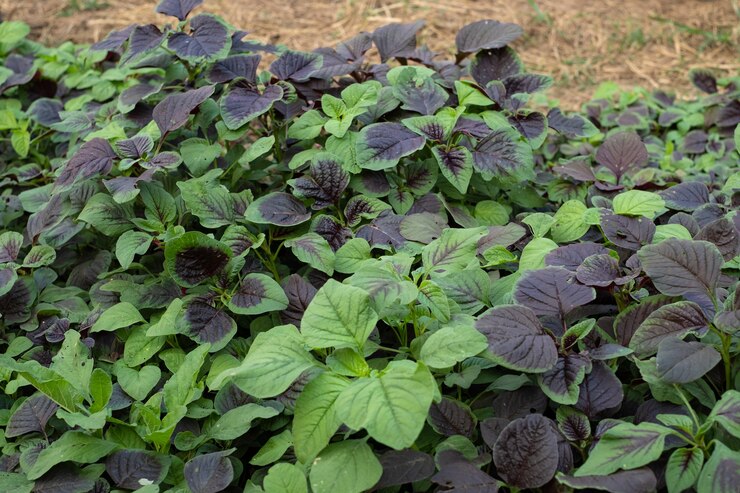
Wild spinach, also known as pigweed or Amaranthus species, is another versatile plant. It grows rapidly in various conditions and produces nutrient-dense leaves. Wild spinach can be eaten raw in salads or cooked like traditional spinach. It contains iron, calcium, and vitamin A, making it a valuable addition to your diet. Some varieties also produce edible seeds that can be ground into flour or added to porridge.
Other edible indigenous options include the marula tree (Sclerocarya birrea), whose fruit is rich in vitamin C and can be eaten fresh or fermented into beverages. The sour fig (Carpobrotus edulis) grows along coastal areas, with succulent leaves and tangy fruit suitable for jams or raw consumption. Moringa (Moringa oleifera), though not native to all regions, is widely naturalized and offers nutrient-dense leaves, pods, and seeds.
Foraging requires careful identification. Always confirm the plant species before consuming it to avoid toxic look-alikes. Start with small quantities when trying a new plant. Growing indigenous plants in your garden can supplement foraging and provide a reliable, safe food source year-round. Many indigenous plants require minimal water, resist pests, and support local wildlife.
Incorporating edible indigenous plants into your diet promotes sustainability, nutrition, and a deeper connection with your environment. From num-num and wild spinach to marula and sour fig, these plants offer both culinary variety and ecological benefits, making them ideal for gardeners, foragers, and anyone interested in resilient, local food sources.
Join 'Farmers Mag' WhatsApp Channel
Get the latest Farming news and tips delivered straight to your WhatsApp
CLICK HERE TO JOIN




