

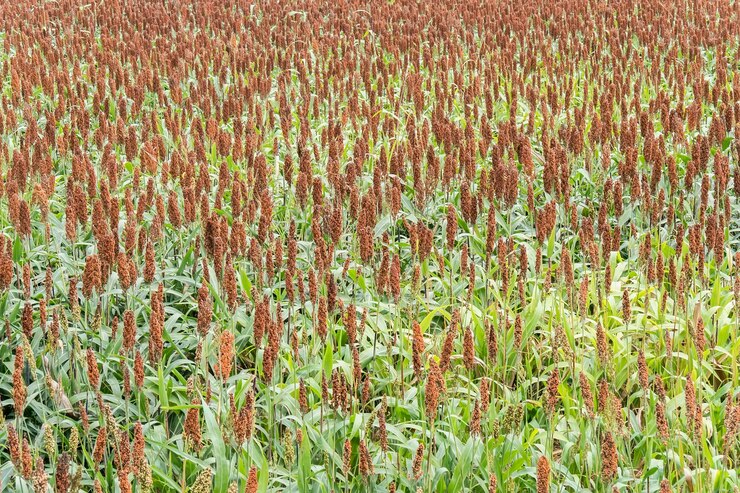
Heritage grains such as sorghum and millet are gaining renewed attention in South Africa for their nutritional value, resilience, and cultural significance. These grains have sustained communities for centuries, particularly in rural areas, and are now being revived as part of the country’s move towards sustainable agriculture and healthier diets.
Sorghum and millet are drought-tolerant, making them ideal for South Africa’s varying climates. They are high in fibre, minerals, and antioxidants, providing significant health benefits. Unlike imported grains, these traditional cereals are adapted to local soils and can support smallholder farmers with low input costs. Their revival not only strengthens food security but also preserves culinary heritage.
Sorghum Recipes
Sorghum is versatile and can be used in both sweet and savory dishes. Popular recipes include:
- Sorghum Porridge: A hearty breakfast option cooked with water or milk and sweetened with sugar, honey, or fruit.
- Sorghum Bread: Ground into flour, sorghum can replace part of wheat flour in bread, adding a nutty flavour and dense texture.
- Sorghum Stews: Whole grains can be added to vegetable and meat stews, boosting fibre and making meals more filling.
Millet Recipes
Millet also offers flexibility in traditional and modern dishes:
- Millet Porridge (Umpopo or Phuthu): A staple breakfast dish in many rural households, cooked with water or milk and served with sugar or cream.
- Millet Flatbreads: Ground millet flour can be made into flatbreads or dumplings, perfect as an accompaniment to vegetables or stews.
- Millet Salads: Cooked millet can replace rice or couscous in salads, combined with fresh vegetables, herbs, and a light dressing.
Reviving Heritage Grains
Efforts to revive sorghum and millet include promoting cultivation among smallholder farmers and reintroducing them in schools, restaurants, and urban markets. Agricultural research institutions are providing improved seed varieties and technical guidance to increase yields and crop resilience. By supporting local production, farmers can access new markets, and communities benefit from nutritious, locally grown grains.
These grains also have cultural importance, forming the basis of traditional ceremonies, beverages, and meals. Reviving sorghum and millet strengthens cultural identity while promoting food security and sustainable farming practices.
Sorghum and millet are more than traditional crops; they are tools for improving nutrition, boosting farmer livelihoods, and preserving South African heritage. By incorporating these grains into everyday diets and agricultural practices, communities can enjoy healthier meals while supporting sustainable farming. Their revival represents a practical and culturally meaningful step towards resilient food systems across the country.
Join 'Farmers Mag' WhatsApp Channel
Get the latest Farming news and tips delivered straight to your WhatsApp
CLICK HERE TO JOIN




