

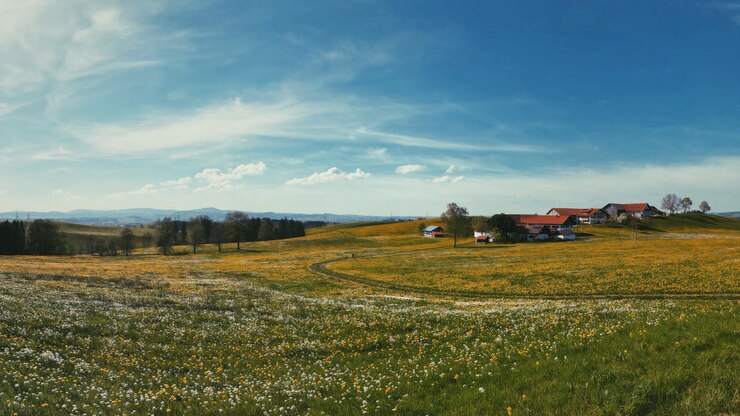
Renosterveld, a unique vegetation type in the Overberg region, is one of South Africa’s most threatened ecosystems. Historically cleared for agriculture and livestock grazing, it now survives in fragmented patches. Restoring Renosterveld is essential for biodiversity conservation, soil health, and sustainable farming in the Overberg.
The first step in Renosterveld restoration is assessing the current condition of the land. Farmers should identify degraded areas, invasive plant species, and remnants of indigenous vegetation. Mapping these zones helps prioritize restoration efforts and develop a targeted management plan.
Controlling invasive species is a primary focus. Alien plants such as Acacia, Port Jackson, and hakea often dominate degraded Renosterveld. Mechanical removal, controlled clearing, and selective herbicide application can effectively reduce invasives. Follow-up monitoring is critical, as many invasive species regenerate quickly if not managed continuously.
Reintroducing indigenous plants is essential for ecosystem recovery. Collecting seeds from local sources ensures that restored vegetation is genetically adapted to the region. Farmers can establish nurseries or partner with local conservation organisations to grow Renosterveld species, including shrubs, bulbs, and grasses, before planting them in degraded areas.
Soil management is another key aspect. Renosterveld thrives on fertile, fine-textured soils that can be easily eroded if left bare. Farmers should avoid overgrazing, maintain ground cover, and apply organic matter where necessary to restore soil structure and fertility. Mulching and temporary fencing can protect young plants during establishment.
Fire management plays an important role in Renosterveld restoration. Controlled burns, when carefully timed and executed, can reduce accumulated biomass, stimulate growth of indigenous species, and maintain ecological balance. Farmers should follow expert guidance to prevent unintended damage.
Community involvement and knowledge sharing enhance restoration success. Coordinated efforts among neighbouring farms, conservation groups, and extension services create larger, connected patches of Renosterveld, which improve habitat quality and resilience. Training workshops and farmer networks provide practical guidance on planting techniques, invasive control, and ongoing monitoring.
Monitoring and adaptive management are critical throughout the restoration process. Farmers should track plant survival, vegetation cover, and biodiversity indicators. Adjusting management practices based on observations ensures long-term success and a resilient ecosystem.
Restoring Renosterveld offers multiple benefits: it supports biodiversity, improves soil health, reduces erosion, and enhances ecosystem services such as pollination and water regulation. For farmers in the Overberg, investing in Renosterveld restoration aligns conservation with sustainable land management and long-term agricultural productivity.
By adopting a structured approach to invasive control, indigenous planting, soil management, and community collaboration, Overberg farmers can successfully restore Renosterveld, securing both environmental and agricultural value for generations to come.
Join 'Farmers Mag' WhatsApp Channel
Get the latest Farming news and tips delivered straight to your WhatsApp
CLICK HERE TO JOIN




