

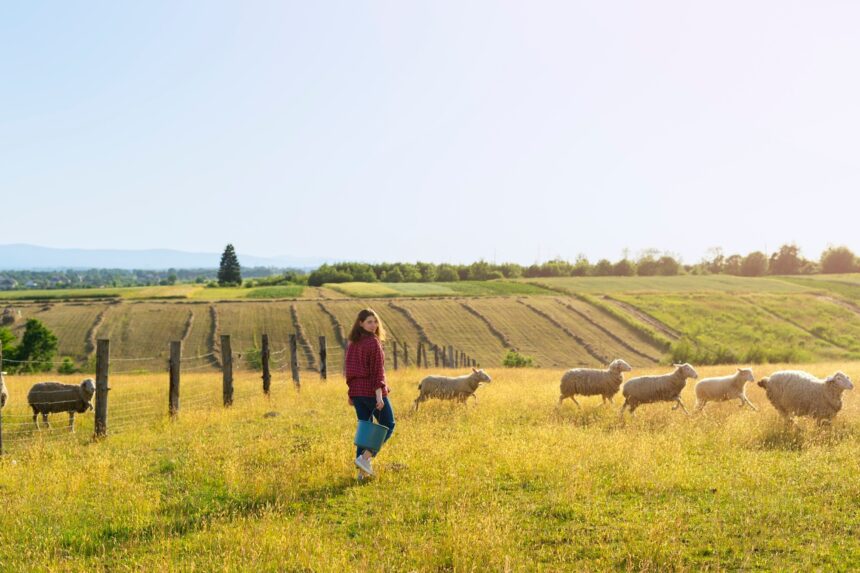
The KwaZulu-Natal Midlands is one of South Africa’s most diverse agricultural regions, offering fertile soils, reliable rainfall, and a favorable climate that supports a wide range of crops and livestock. From maize, vegetables, and grains to dairy, poultry, and beef production, the region presents numerous opportunities for farmers seeking to diversify and expand their operations.
One of the key opportunities in the Midlands is its strong market access. The region is located near major urban centers such as Pietermaritzburg and Durban, providing farmers with access to both local and regional markets. This proximity reduces transportation costs and supports the sale of fresh produce, dairy products, and meat to retailers and consumers. Niche markets such as organic farming, artisanal dairy products, and high-value vegetables have also seen growth, allowing small-scale farmers to generate higher incomes.
Livestock production is another major opportunity in the region. The Midlands’ natural pastures support beef, dairy, and sheep farming, while goat and free-range poultry farming are gaining popularity for both commercial and subsistence purposes. Integrated farming systems that combine crop and livestock production can further enhance profitability by reducing waste and improving soil fertility.
Despite these opportunities, farmers in the KwaZulu-Natal Midlands face significant challenges. Climate variability, including unpredictable rainfall and occasional droughts, can affect crop yields and livestock productivity. Soil erosion and degradation are also concerns, particularly on sloped lands, requiring careful land management and conservation practices.
Access to finance and modern farming technology remains a barrier for many small and emerging farmers. Without adequate support, these farmers struggle to invest in irrigation, mechanization, and high-quality inputs. Market fluctuations, rising input costs, and competition from larger commercial farms further complicate profitability, making risk management an essential part of farm planning.
Pest and disease management is another critical challenge, especially for livestock and horticultural crops. Farmers must adopt biosecurity measures, integrated pest management, and timely veterinary care to maintain healthy herds and high-quality produce.
Government support and agricultural extension services play a vital role in addressing these challenges. Programs aimed at training farmers in modern farming techniques, sustainable practices, and financial management have shown promise in improving productivity and resilience. Partnerships with research institutions, such as the Agricultural Research Council, help farmers access innovative solutions in crop and livestock production.
For aspiring and established farmers, the KwaZulu-Natal Midlands offers a landscape rich with opportunities, but success depends on strategic planning, sustainable practices, and the ability to adapt to environmental and market challenges. By leveraging its natural resources, market access, and available support systems, farmers in the Midlands can build resilient operations that contribute to regional food security and economic growth.
Join 'Farmers Mag' WhatsApp Channel
Get the latest Farming news and tips delivered straight to your WhatsApp
CLICK HERE TO JOIN




