

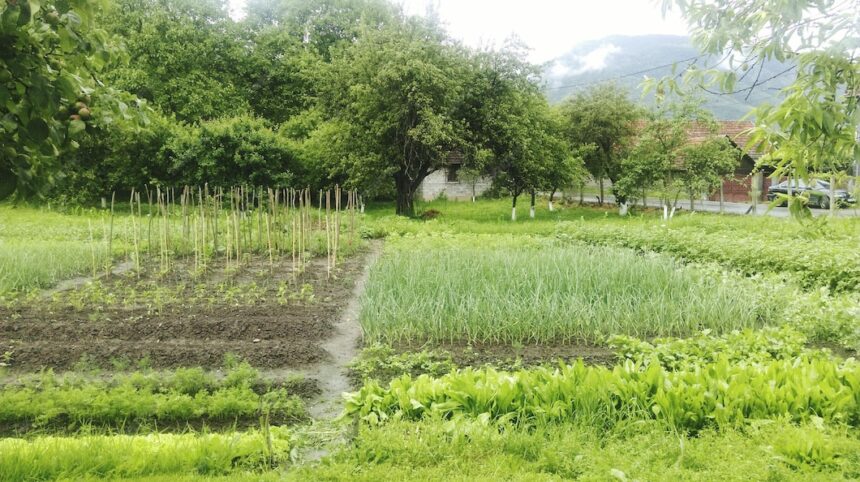
Creating a permaculture food forest in your backyard allows you to grow diverse, resilient, and self-sustaining food systems. Unlike traditional gardening, a food forest mimics natural ecosystems, combining trees, shrubs, herbs, and ground cover plants to produce food while enhancing soil health and biodiversity. With careful planning, you can establish a productive backyard that provides fruits, vegetables, nuts, and herbs year-round.
Start by assessing your space. Identify the sunlight patterns, soil type, water availability, and microclimates in your yard. Observe natural features such as slopes, wind direction, and existing vegetation. This assessment helps you position plants strategically and choose species suited to your environment.
Design your food forest in layers. Typically, there are seven layers: canopy trees, sub-canopy trees, shrubs, herbaceous plants, ground covers, root crops, and climbers. Canopy trees provide shade and structure, while sub-canopy trees and shrubs offer fruits and nuts. Herbaceous plants and ground covers suppress weeds, retain moisture, and enrich the soil. Root crops and climbers maximize vertical space and yield. Integrating nitrogen-fixing plants improves soil fertility naturally.
Soil preparation is critical. Build healthy soil by adding organic matter such as compost, mulch, and aged manure. Avoid chemical fertilizers, which can harm soil microbes. Mulching conserves moisture, regulates temperature, and prevents erosion. Consider creating swales or small berms to capture and distribute rainwater efficiently.
Select a mix of perennial and annual plants for continuous harvest. Choose species suited to your climate and resistant to pests. Incorporate companion planting to deter pests, attract pollinators, and improve nutrient cycling. Native plants support local biodiversity and require less maintenance.
Maintenance in a permaculture food forest is minimal compared to conventional gardens, but regular observation is necessary. Prune overgrown plants, harvest ripe produce, and replace underperforming species. Monitor for pests and diseases, and apply organic remedies when needed. Layering, mulching, and soil care reduce the need for constant intervention.
Starting a permaculture food forest in your backyard promotes sustainable food production, enhances biodiversity, and creates a resilient ecosystem. By designing thoughtfully, choosing appropriate plants, and maintaining soil health, you can enjoy fresh, homegrown produce while contributing to environmental sustainability.
Join 'Farmers Mag' WhatsApp Channel
Get the latest Farming news and tips delivered straight to your WhatsApp
CLICK HERE TO JOIN




