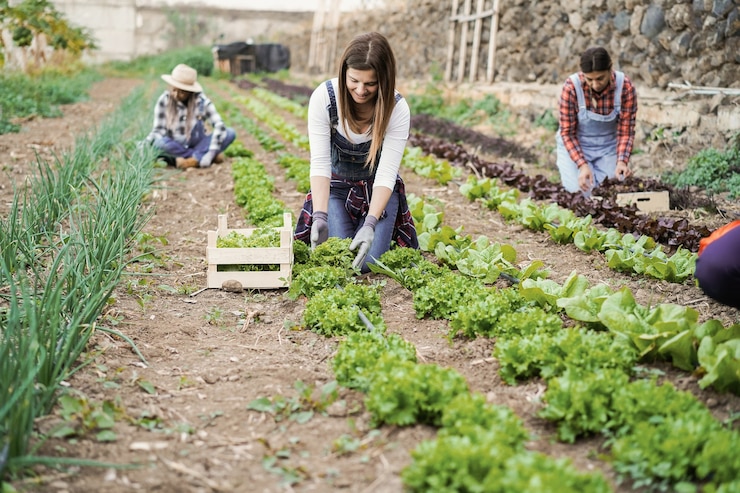
Organic farming is gaining traction in South Africa as consumers demand healthier, chemical-free food. Farmers looking to switch to organic methods must understand the certification process, legal requirements, and practical steps to ensure compliance.
Conversion to organic farming starts with understanding the rules set by accredited certification bodies. In South Africa, organisations such as Ecocert, Control Union, and the South African Organic Sector Organisation (SAOSO) oversee certification. Farmers must follow guidelines covering soil management, pest control, crop rotation, and prohibited substances.
The first step is a written application to a recognised certification body. Farmers must submit farm maps, current farming practices, and a plan for transitioning to organic methods. This plan should outline how synthetic fertilizers, herbicides, and pesticides will be replaced with natural alternatives.
Next, the farm enters a conversion period. For crops, this typically lasts two to three years, during which farmers must implement organic practices while still maintaining records of all inputs and activities. Livestock operations require a similar transition, with at least 12 months under organic conditions before certification can be granted.
During this period, regular inspections occur. Inspectors assess soil health, water quality, pest and disease management, and record-keeping practices. Farmers must demonstrate consistent adherence to organic principles. Any deviation can delay certification.
Record keeping is critical. Farmers must maintain detailed logs of all inputs, treatments, and production methods. This includes organic fertilizers used, pest control methods, crop rotations, and livestock feed sources. Transparency ensures compliance during inspections and audits.
Once the conversion period is complete and inspections are passed, the farm receives organic certification. This allows farmers to label products as organic and access premium markets locally and internationally. Certified farms also gain credibility and consumer trust, improving profitability.
Ongoing compliance is mandatory. Certification bodies require annual inspections to verify that organic standards continue to be met. Farmers must update records, manage soil and water sustainably, and avoid prohibited substances to maintain certification.
Converting to organic farming in South Africa requires planning, discipline, and investment. Farmers benefit from increased market opportunities and long-term soil health. Following the proper steps ensures a smooth transition and successful entry into the growing organic market.
Join 'Farmers Mag' WhatsApp Channel
Get the latest Farming news and tips delivered straight to your WhatsApp
CLICK HERE TO JOIN