

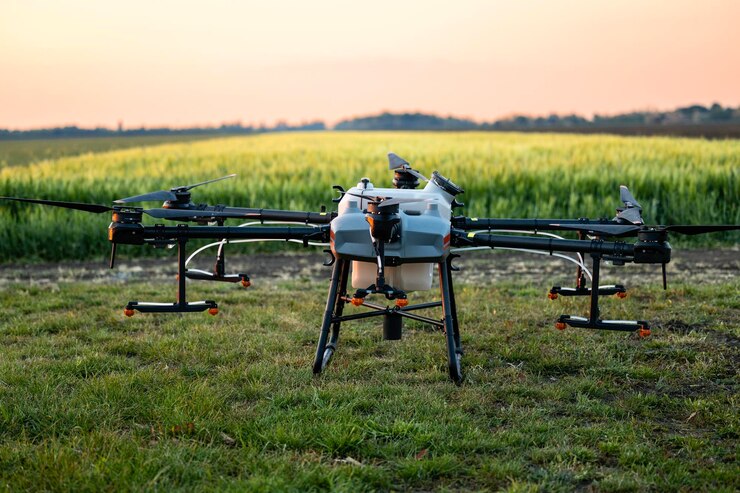
Drone technology is transforming agriculture worldwide, and South Africa is no exception. Large-scale farms are increasingly adopting drones to monitor crops, assess field conditions, and improve farm management decisions. This technology offers farmers a cost-effective, efficient, and precise way to manage extensive agricultural operations.
Monitoring crops over large areas has traditionally been labor-intensive, time-consuming, and prone to human error. Farmers rely on periodic inspections, which may miss early signs of disease, nutrient deficiencies, or irrigation issues. Drone technology addresses these challenges by providing aerial imagery, real-time data, and advanced analytics. This enables farmers to make informed decisions quickly, optimize input usage, and increase crop yields.
Applications of Drone Technology in Crop Monitoring
- Field Mapping and Crop Health Assessment
Drones equipped with multispectral and thermal cameras capture detailed images of fields. These images help farmers identify areas of poor growth, pest infestations, or water stress. Early detection allows for targeted interventions, reducing input waste and improving productivity. - Precision Agriculture
By integrating drone data with farm management software, farmers can implement precision agriculture practices. This includes variable-rate application of fertilizers, pesticides, and irrigation. Precision agriculture reduces costs, limits environmental impact, and ensures uniform crop development. - Yield Prediction and Planning
Drones can track crop growth stages and plant density, providing valuable data for yield forecasting. Accurate predictions help farmers plan harvest schedules, storage needs, and market strategies more effectively. - Irrigation Monitoring
Thermal imagery from drones highlights areas of under- or over-irrigation. Farmers can adjust water distribution to conserve resources while maintaining optimal soil moisture for crops. This is particularly useful in South Africa, where water scarcity is a concern in many farming regions.
Advantages of Drone Technology for Large-Scale Farms
Drones save time and labor costs by surveying vast fields in hours instead of days. They also provide consistent, high-resolution data that is difficult to achieve through manual inspections. Additionally, drones reduce human exposure to hazardous chemicals when monitoring pesticide applications or fertilized fields.
Challenges and Considerations
Despite the benefits, adopting drone technology comes with challenges. Initial investment costs for drones and sensors can be high. Farmers must also comply with South African Civil Aviation Authority (SACAA) regulations governing drone use. Furthermore, interpreting drone data requires technical skills or access to specialized software, which may necessitate training or hiring experts.
Drone technology offers large-scale South African farms a powerful tool for improving crop monitoring, resource efficiency, and yield outcomes. By providing real-time, precise data, drones enable farmers to implement precision agriculture, optimize inputs, and make informed decisions. While initial costs and regulatory requirements present challenges, the long-term benefits in productivity and sustainability make drones an increasingly viable investment for modern farming operations.
Join 'Farmers Mag' WhatsApp Channel
Get the latest Farming news and tips delivered straight to your WhatsApp
CLICK HERE TO JOIN




