Autumn in South Africa, covering February and March, is a critical period for gardeners preparing for cooler months. The transition from summer to autumn offers an opportunity to plant crops that thrive in milder temperatures and shorter daylight hours. Planning ahead ensures healthy growth, higher yields, and continuous harvests.
Leafy Greens
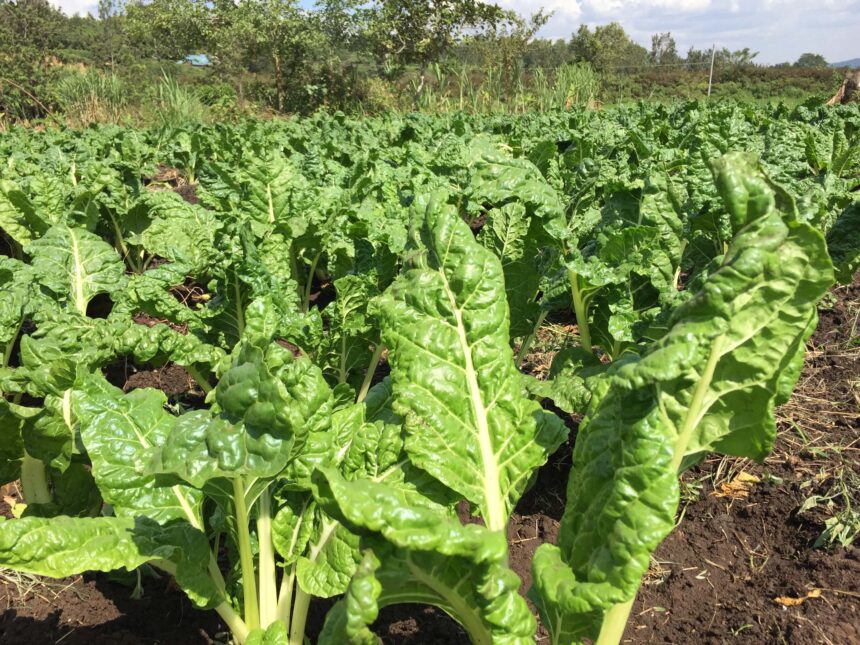
Autumn is ideal for leafy vegetables such as spinach, lettuce, kale, and Swiss chard. These crops grow quickly and tolerate cooler temperatures. Sow seeds directly into well-prepared, fertile soil. Regular watering and light fertilization encourage tender leaves and prevent bolting as the weather changes.
Root Vegetables
Carrots, beets, radishes, and turnips are suited for autumn planting. They require loose, well-drained soil to develop strong roots. Sow seeds shallowly and thin seedlings as they grow to prevent overcrowding. Consistent watering ensures even growth and reduces the risk of splitting or tough roots.
Legumes
Beans and peas can be planted in late summer to early autumn. They improve soil fertility through nitrogen fixation, benefiting subsequent crops. Bush beans are easier to manage for beginners, while climbing varieties need trellises. Regular monitoring for pests is recommended during the cooler, wetter months.
Herbs
Cilantro, parsley, thyme, and chives thrive in autumn. Plant them in sunny spots with well-draining soil. These herbs are low-maintenance, provide continuous harvests, and enhance home-cooked meals. Autumn herbs often develop better flavor compared to summer-grown varieties.
Brassicas
Cabbage, cauliflower, broccoli, and Brussels sprouts perform well when planted in February and March. These crops prefer cooler temperatures and slower growth, which enhances flavor and head formation. Start seedlings in seed trays or purchase young plants from nurseries for direct transplanting.
Planning and Soil Preparation
Before planting, clear garden beds of old crops and weeds. Add compost or well-rotted manure to enrich the soil. Mulching helps retain moisture and moderates soil temperature, giving seedlings a healthy start. Rotate crops to prevent pest buildup and maintain soil fertility.
By following this autumn planting guide, gardeners in South Africa can maximize productivity and prepare for winter harvests. Choosing the right crops and timing your planting ensures a resilient, fruitful garden through the cooler months.
Join 'Farmers Mag' WhatsApp Channel
Get the latest Farming news and tips delivered straight to your WhatsApp
CLICK HERE TO JOIN