

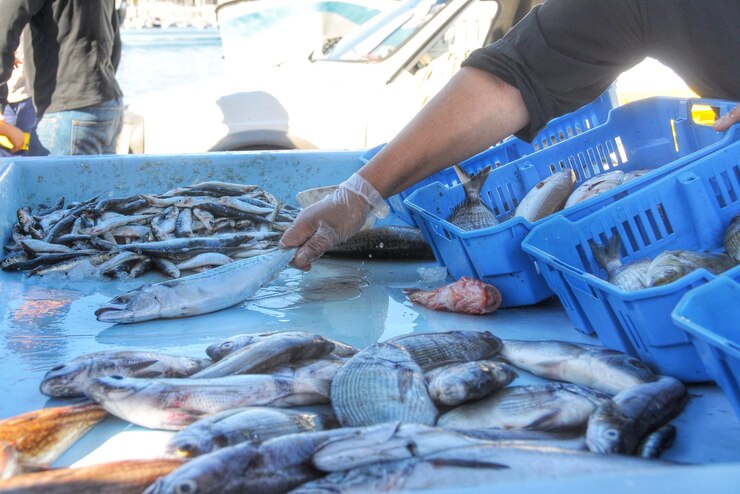
Fresh fish is a highly sought-after product in South Africa, providing essential protein and supporting coastal and inland economies. Selling fresh fish locally can be profitable, but success depends on quality, marketing, and understanding consumer behavior. Small-scale and commercial fish farmers, as well as fishers, must focus on proper handling, storage, pricing, and customer relationships to maximize sales and build a loyal customer base.
Maintain Freshness
Freshness is the most critical factor when selling fish. Consumers judge quality by appearance, smell, and texture. Fish should be gutted, cleaned, and stored on ice immediately after harvest. Keeping fish at low temperatures slows spoilage and maintains taste and texture. Display fish on crushed ice at the point of sale to assure customers of its freshness.
Proper Handling and Hygiene
Good hygiene prevents contamination and preserves quality. Wash hands and surfaces regularly, and use clean knives, cutting boards, and containers. Avoid direct contact between fish and bare surfaces. Packaging fish in clean, food-grade containers and covering displays protects the product from dust, insects, and bacteria.
Choose the Right Selling Channels
Identify the best local selling points for your fish. Farmers’ markets, roadside stalls, and community shops are ideal for reaching local consumers. Restaurants, hotels, and catering services also offer bulk opportunities. Building relationships with chefs and store owners can ensure repeat orders and stable sales.
Pricing Strategically
Competitive pricing attracts customers while covering costs. Consider local demand, fish species, size, and quality when setting prices. Offering promotions or bundled deals can encourage larger purchases. Regularly review prices to remain competitive without sacrificing profit.
Educate Customers
Educating customers builds trust and loyalty. Share tips on storage, preparation, and cooking methods. Highlight the health benefits of consuming fresh fish, including protein, omega-3 fatty acids, and vitamins. Customers who feel informed are more likely to return and recommend your product.
Effective Marketing
Promote your fish through social media, community boards, and local events. Clear signage displaying species, price, and freshness reassures buyers. Engaging photos and customer testimonials online can expand your reach. Consistency in quality and service strengthens your reputation and attracts repeat business.
Seasonal Planning
Understanding seasonal availability helps plan supply and pricing. Some species are abundant during specific months, while others are scarce. Adjust sales strategies to reflect availability and ensure you can meet demand consistently.
Packaging and Transport
If delivering fish to customers or retailers, ensure transport maintains low temperatures. Use insulated boxes and ice packs for short distances. Minimize handling and movement to prevent bruising and spoilage. Proper packaging maintains quality and reinforces a professional image.
Selling fresh fish locally in South Africa requires attention to quality, hygiene, marketing, and customer engagement. Maintaining freshness, using proper handling practices, selecting the right selling channels, and educating buyers are essential for building a loyal customer base. Strategic pricing, effective promotion, and careful transport further enhance sales potential. By following these tips, fish sellers can maximize profitability, meet local demand, and build a reputable brand in the competitive fresh fish market.
Join 'Farmers Mag' WhatsApp Channel
Get the latest Farming news and tips delivered straight to your WhatsApp
CLICK HERE TO JOIN




