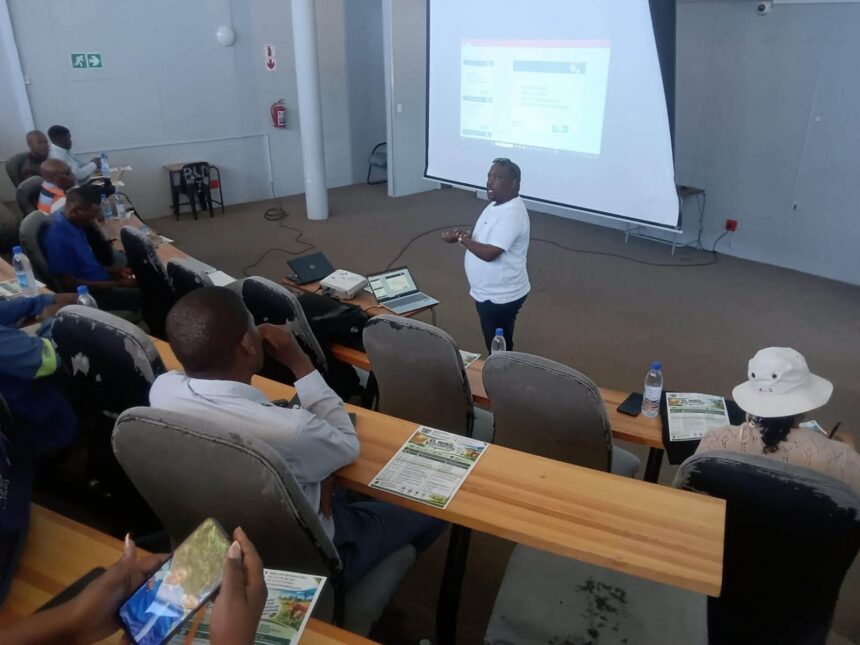
Livestock farmers in Setlagole are being encouraged to prepare for climate-related challenges through practical measures that protect their animals, manage scarce resources and support sustainable production. The North West Department of Agriculture and Rural Development’s Ratlou Local Agricultural Office held an El Niño Awareness Campaign at the Thusong Centre in Setlagole. The event brought together livestock farmers and key government departments to raise awareness about the potential effects of El Niño on agricultural activities. The campaign focused on helping farmers understand the risks associated with drought, water shortages, deteriorating grazing conditions and extreme temperatures. By sharing practical strategies and encouraging cooperation, the initiative aimed to strengthen livestock production and improve farmers’ resilience to changing weather conditions.
El Niño is a climate pattern that can influence rainfall and temperature across different parts of the world. In southern Africa, some El Niño events are associated with below-average rainfall and increased drought risk, although the effects vary between seasons and locations. For livestock farmers, reduced rainfall can place serious pressure on grazing land, water supplies and the general condition of animals. When natural grazing becomes scarce, livestock may struggle to obtain enough feed to maintain their body condition and remain productive. Awareness campaigns therefore play an important role in helping farming communities understand climate risks and prepare for difficult conditions before they become severe.
Water scarcity is one of the major challenges facing livestock farmers during prolonged dry periods. Cattle, sheep and goats require reliable access to clean water to maintain their health and normal bodily functions. When dams, boreholes, rivers and other water sources become depleted, farmers may have to travel greater distances or spend more money to provide enough water for their herds. Limited water supplies can also affect the availability of suitable grazing because plant growth depends on sufficient moisture. Farmers can reduce some of these risks by checking water infrastructure regularly, repairing leaks, monitoring available supplies and planning how water will be distributed during periods of shortage.
Deteriorating grazing conditions present another serious challenge during drought. Grass and other natural vegetation may become dry, less nutritious and insufficient to support the number of animals on a farm. When livestock continue grazing in the same areas without adequate recovery time, the land can become overused and lose its ability to support future production. Farmers can help protect grazing resources by monitoring veld conditions, managing stocking rates and allowing damaged grazing areas time to recover where possible. Planning for supplementary feed before grazing becomes critically limited can also help prevent severe losses in animal condition. These measures support better veld management while helping farmers prepare for periods when natural feed is insufficient.
Extreme temperatures can place additional stress on livestock, particularly when high heat occurs alongside limited water and poor-quality grazing. Animals experiencing heat stress may spend less time feeding, drink more water and become less productive. Young animals, pregnant livestock and animals already in poor condition may be especially vulnerable to difficult weather conditions. Farmers can reduce heat exposure by ensuring that animals have access to shade where available, providing adequate drinking water and avoiding unnecessary handling during the hottest parts of the day. Regularly observing animals for signs of distress can also help farmers identify problems early and seek appropriate assistance when needed.
The El Niño Awareness Campaign at the Thusong Centre provided an opportunity to bring livestock farmers and government departments together around these shared challenges. Cooperation between farmers and agricultural support services is important because climate-related problems often require more than one solution. Agricultural officials can help farmers understand changing conditions, consider suitable management practices and identify ways to protect their production systems. Other government departments may also contribute knowledge and support relevant to water management, environmental protection and rural development. Bringing stakeholders together helps strengthen communication and encourages farmers to seek advice before drought conditions cause serious damage to their herds or livelihoods.
Preparing for drought also requires careful financial and production planning. Farmers who monitor rainfall, grazing availability, livestock condition and water levels can make more informed decisions as conditions change. Depending on their circumstances, they may need to plan supplementary feeding, adjust herd sizes or prioritise the animals that are most important to their breeding and production goals. Early planning can help reduce the pressure of having to make costly decisions when feed and water are already in short supply. Keeping basic farm records can further help farmers identify recurring problems and improve their response to future dry periods. The most suitable approach will depend on each farm’s resources, location, livestock numbers and access to support.
Climate resilience is increasingly important for livestock farming in the North West, where rainfall variability and dry conditions can place pressure on agricultural production. Awareness campaigns help communities recognise these risks and consider practical responses suited to their local conditions. However, building resilience requires continued action beyond a single event, including regular communication, sound farm management and access to reliable agricultural advice. Farmers also benefit from sharing experiences and learning how others manage water shortages, poor grazing and extreme heat. By combining local knowledge with practical guidance, farming communities can strengthen their ability to respond to difficult seasons.
The El Niño Awareness Campaign organised by the Ratlou Local Agricultural Office reflects the importance of preparing livestock farmers for climate-related challenges. Its focus on drought, water scarcity, deteriorating grazing and extreme temperatures addresses some of the pressures that can threaten livestock health and farm productivity. Equipping farmers with practical knowledge can help them make timely decisions, protect available resources and reduce avoidable losses. Continued cooperation between farmers and government departments will remain important as agricultural communities respond to changing weather conditions. With careful planning and responsible management, livestock farmers in Setlagole and the wider North West can work towards more resilient and sustainable farming operations.
Join 'Farmers Mag' WhatsApp Channel
Get the latest Farming news and tips delivered straight to your WhatsApp
CLICK HERE TO JOIN