The Limpopo Department of Agriculture and Rural Development has celebrated excellence in meat safety and quality through the Provincial Abattoir Rating Scheme (PARS) 2026 Excellence Awards, recognising abattoirs that demonstrate strong hygiene practices, regulatory compliance and a commitment to protecting consumers. Hosted in Polokwane in the Capricorn District, the ceremony marked a significant milestone for a programme that has spent a decade promoting higher standards across the province’s meat industry. The awards brought together agricultural leadership and industry participants to acknowledge facilities that contribute to safe meat production and a stronger red meat and poultry value chain. Limpopo MEC for Agriculture and Rural Development Basikopo Makamu led the occasion alongside Head of Department Mpho Mashamba. The event highlighted the important connection between animal health, food safety, consumer confidence and sustainable agricultural growth in Limpopo.
The Provincial Abattoir Rating Scheme has become an important platform for recognising facilities that maintain high standards in meat processing and handling. Abattoirs play a critical role in the food supply chain because their operations directly affect the safety and quality of meat reaching consumers. Effective hygiene, proper handling procedures and compliance with applicable requirements help reduce risks associated with contaminated meat and unsafe processing conditions. By assessing and recognising participating facilities, PARS encourages continuous improvement and gives the industry a reason to maintain strong operational standards. The 2026 ceremony also reinforced the value of recognising establishments across different categories, from smaller rural facilities to high-throughput operations and export abattoirs.
The awards ceremony took place in Capricorn District after the event rotated between districts in Limpopo, including previous hostings in Waterberg and Vhembe. The programme experienced a two-year pause during the COVID-19 pandemic before the district-based hosting arrangement continued. This rotating approach brings recognition to different parts of the province and highlights the contribution of abattoirs operating in varied agricultural settings. It also creates opportunities to acknowledge facilities serving rural communities alongside larger commercial establishments. By celebrating achievements across the province, the awards help maintain attention on the standards required to support a reliable and trusted meat industry.
In his address, MEC Basikopo Makamu congratulated participating abattoirs for their efforts to improve operational standards and provide consumers with safe, quality meat. He emphasised that PARS is more than a competition, describing it as an important instrument for protecting public health and supporting the growth of Limpopo’s red meat and poultry value chains. The recognition of high-performing facilities encourages operators to maintain proper hygiene, strengthen food safety systems and identify areas where their processes can improve. These efforts matter to consumers, who depend on safe food handling throughout the production and distribution process. They also matter to farmers and businesses whose livelihoods depend on a functioning meat industry that maintains public trust.
Animal health was another major focus of the MEC’s address, particularly the importance of livestock vaccination and disease prevention. Makamu highlighted Foot and Mouth Disease as a serious challenge that can restrict commercial growth and affect access to markets. Foot and Mouth Disease is a highly contagious viral disease affecting cloven-hoofed animals, including cattle, sheep, goats and pigs. Outbreaks can disrupt livestock movements and trade, create financial pressure for producers and require costly control measures. The MEC urged livestock producers to safeguard animal health, follow appropriate veterinary guidance and take biosecurity seriously to help protect their animals and preserve market opportunities.
Strong animal health management is closely connected to the wider success of the agricultural and meat production sectors. Healthy livestock supports more reliable production, while effective disease prevention helps limit disruptions that can affect farmers, abattoirs and buyers. Producers need to remain alert to disease risks and follow applicable veterinary and movement-control requirements. Biosecurity measures can include controlling access to livestock areas, maintaining appropriate hygiene and reporting suspected disease promptly to the relevant veterinary authorities. While abattoir hygiene and livestock disease prevention address different stages of the food chain, both contribute to a safer and more dependable meat industry. The emphasis on Foot and Mouth Disease at PARS 2026 therefore linked farm-level responsibilities with the province’s wider agricultural development goals.
The awards recognised achievements across rural abattoirs, low-throughput and high-throughput facilities, poultry processing, game meat processing and export operations. In the overall Rural Abattoir category, Mazunga Farming secured first place, followed by Kgotsong in second place and Tweefontein in third place. Ramokgopa Abattoir also received recognition for continuous improvement, highlighting the importance of progress alongside top rankings. These awards acknowledge the work required to maintain appropriate standards in facilities that serve rural and local markets. Recognition across the rural category also demonstrates that food safety and quality are important priorities for abattoirs of different sizes and operating capacities.
In the Chicken Low Throughput category, Bosveldrus Chickens took first place, with RJG Chickens in second place and Limpopo Chickens in third place. Harmonie Abattoir secured the top position in the Red Meat Low Throughput category, followed by Bandelierkop in second place and Moria & Jooste in third place. These categories recognise facilities operating at lower processing volumes, where maintaining consistent procedures remains essential to producing safe meat. Smaller operations must still pay attention to cleanliness, handling practices and compliance with relevant requirements. The recognition of these establishments reinforces the message that high standards should apply throughout the meat industry, regardless of the scale of production.
In the high-throughput categories, SPIF Chickens was named the leading Chicken High Throughput abattoir, while Ryall Chicken Producers finished as runner-up. Waltkon Abattoir claimed first place in the Red Meat High Throughput category, followed by Vencor Abattoir in second place and Gaza Beef in third. High-throughput facilities process larger volumes of meat and therefore need effective systems to manage hygiene, processing operations and quality controls consistently. Maintaining standards across large volumes requires suitable procedures, trained personnel and reliable monitoring. Recognition through PARS encourages these facilities to continue prioritising food safety as they serve commercial markets and contribute to the province’s agricultural economy.
The awards also acknowledged specialised operations that play a role in supplying particular markets. Limpopo Wildsvleis received recognition as the Best Compliant Rural Game Abattoir, highlighting compliance within the game meat processing sector. Vencor Abattoir was named Best Export Abattoir, reflecting its recognition in the export category. Export operations face the additional challenge of meeting the requirements applicable to the markets they serve, alongside maintaining suitable hygiene and food safety systems. Strong compliance helps support confidence in meat products and the operations responsible for processing them. These awards demonstrate the range of facilities included in the scheme and the importance of maintaining standards across different types of meat production.
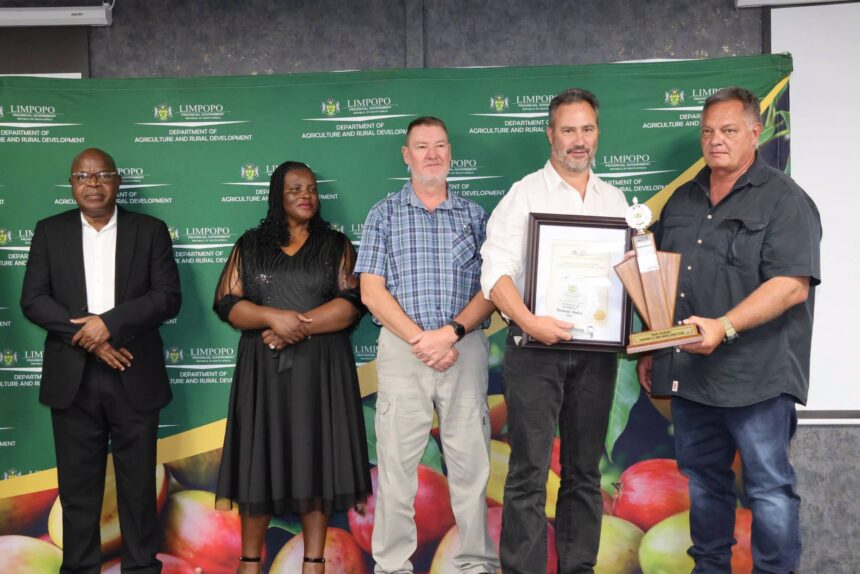
One of the ceremony’s highest honours was the MEC’s Special Award for Best Facility and Best Implemented Food Safety System, which went to Chestnut Hills Abattoir. The facility received a floating trophy, a large trophy, a seven-in-one water tester, a digital meat thermometer, a lux meter and a certificate. These items are relevant to different aspects of facility monitoring and operational management. Water testing equipment can assist with assessing water quality parameters, while a digital meat thermometer can help measure temperature during food handling and processing. A lux meter measures light levels, which can be relevant when assessing workplace and inspection conditions. The award recognised the facility’s overall performance and the implementation of its food safety system, while the equipment provided practical tools that may support continued monitoring and quality control.
The PARS Excellence Awards also draw attention to the relationship between food safety and consumer confidence. Consumers rely on producers and processors to handle meat responsibly and comply with the standards designed to protect public health. Poor hygiene or inadequate handling can create food safety risks, making consistent monitoring and compliance essential throughout processing. Recognition programmes can encourage operators to review their systems, address weaknesses and maintain good practices over time. However, awards are only one part of a wider approach to food safety, which also depends on routine inspections, appropriate oversight, staff training and compliance with applicable legislation. Continued attention to these responsibilities helps support a meat industry that consumers can trust.
Beyond public health, the awards have broader implications for agricultural development and economic growth in Limpopo. The red meat and poultry value chains connect livestock producers, feed suppliers, transport operators, abattoirs, distributors, retailers and other businesses. When facilities maintain appropriate standards, they help support the reliability of the wider supply chain and strengthen confidence among buyers. Disease prevention also matters because livestock health problems can interrupt production and restrict access to important markets. By recognising good performance and emphasising animal health, PARS brings together several priorities that affect the long-term competitiveness of the province’s agricultural sector. These include responsible production, effective food safety management, market access and continuous improvement.
The Limpopo Department of Agriculture and Rural Development congratulated the winners and all abattoirs that participated in the 2026 awards. Participation itself provides an opportunity for facilities to engage with the scheme’s focus on food safety, hygiene, quality and compliance. For operators that receive awards, recognition celebrates their achievements while reinforcing the responsibility to maintain high standards. For other participating facilities, the results can encourage further improvement and greater attention to operational practices. Continued participation and engagement can help establish a culture in which safe meat production remains a shared priority across the province.
The PARS 2026 Excellence Awards marked an important celebration of the work being done to improve meat safety and quality in Limpopo. Through recognition of rural, low-throughput, high-throughput, game and export abattoirs, the programme highlighted the range of facilities contributing to the province’s meat supply chain. The achievements of Mazunga Farming, Bosveldrus Chickens, Harmonie Abattoir, SPIF Chickens, Waltkon Abattoir, Limpopo Wildsvleis, Vencor Abattoir and Chestnut Hills Abattoir demonstrated the variety of accomplishments celebrated at the ceremony. MEC Basikopo Makamu’s message about livestock health also reinforced the need for producers to take disease prevention and biosecurity seriously, particularly in the face of Foot and Mouth Disease. As the Provincial Abattoir Rating Scheme continues to promote compliance and continuous improvement, its lasting value will lie in helping protect consumers, support responsible meat production and strengthen confidence in Limpopo’s agricultural sector.
Join 'Farmers Mag' WhatsApp Channel
Get the latest Farming news and tips delivered straight to your WhatsApp
CLICK HERE TO JOIN