A powerful lunchtime conversation on the future of agriculture in the Western Cape brought together leaders from finance, industry and farming to examine the forces shaping one of the province’s most important economic sectors. The discussion highlighted both the pressures facing farmers and the opportunities available to those willing to adapt, innovate and build stronger partnerships. From water shortages and drought to changing commodity conditions and the need for sustainable financing, farmers continue to operate in an environment where uncertainty is part of everyday business. Yet the conversation also demonstrated that agriculture has the ability to remain resilient when farmers have access to the right support, knowledge and financial solutions. The message was clear that the future of farming will depend not only on production, but also on collaboration, sound business decisions and the ability to respond to changing conditions.
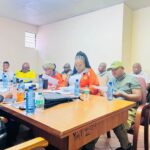
The panel brought together Saki May, Chief Agriculture Economist at Land Bank, Jannie Strydom, CEO of Agri Western Cape, Matyana Mzi, Regional Head for Commercial Banking and Transformation in the Cape Region, and Aldrin October of Kaapschön Boerdery. Their different areas of expertise provided a broad perspective on the realities facing farmers and the importance of working across the agricultural value chain. Finance remains a critical part of this conversation because farmers require capital to maintain production, invest in infrastructure, manage operational costs and respond to unexpected challenges. At the same time, industry organisations and commercial partners play an important role in ensuring that farmers are not left to deal with structural challenges on their own. Bringing these voices together created an opportunity to look beyond immediate difficulties and consider how stronger partnerships can contribute to a more sustainable agricultural sector.
Saki May reinforced the importance of support and partnership when she stated, “We stand by you. Farmers should never have to face the journey alone.” Her message speaks directly to the realities of agricultural businesses, where financial pressures can intensify quickly when production conditions change or markets become uncertain. Land Bank’s role extends beyond simply providing finance, as farmers also need meaningful partnerships that can help them navigate difficult periods and make informed decisions about the future of their businesses. Access to appropriate financing can help producers invest in productive assets, maintain operations and pursue opportunities that might otherwise remain out of reach. For farmers facing uncertainty, having institutions that understand the agricultural cycle and are prepared to work with them can make an important difference to long-term business resilience.
Agricultural resilience is particularly important because farming is exposed to risks that cannot always be controlled by the producer. Aldrin October of Kaapschön Boerdery highlighted this reality by pointing to drought, water challenges and pressures across different commodities as some of the factors that can influence a farming business. These risks can affect production volumes, input costs, profitability and the ability of farmers to plan several seasons ahead. While farmers can invest in better production practices, technology, water management and business planning, they cannot eliminate every external risk that affects agriculture. October’s emphasis on maintaining a positive mindset and living in hope therefore reflects an important part of farming, because resilience requires both practical preparation and the determination to continue working through difficult seasons.
The discussion also highlighted the scientific nature of modern agriculture and the importance of making decisions based on knowledge, evidence and careful planning. Farmers operate with a wide range of variables, including weather patterns, soil conditions, water availability, input costs, commodity prices, labour requirements and market demand. Understanding these factors allows producers to identify risks earlier and develop strategies that can protect their businesses when conditions change. Agricultural technology, improved production methods, financial planning and access to reliable information can all contribute to better decision-making on farms. However, these tools are most effective when they are supported by strong relationships between farmers, financial institutions, industry bodies, government and other agricultural stakeholders.
Finance will remain an important part of building this resilience, particularly as farmers face the need to invest while managing unpredictable income cycles. Agricultural businesses may require funding for irrigation systems, machinery, livestock, production inputs, infrastructure, land development and other long-term investments. At the same time, producers must carefully manage debt and ensure that investments are aligned with realistic production and market opportunities. Financial institutions with an understanding of agriculture can therefore play an important role in helping farmers balance immediate operational needs with longer-term growth. Land Bank’s commitment to supporting farmers through financing, production support and partnerships reflects the importance of ensuring that agricultural businesses have access to solutions that recognise the unique nature of farming.
The conversation also points to the importance of collaboration across the agricultural value chain. Farmers cannot build resilient businesses in isolation when the challenges affecting agriculture often extend beyond the farm gate. Financial institutions, commodity organisations, commercial banks, agribusinesses, government structures and farming associations all have roles to play in strengthening the sector. Collaboration can help farmers access information, markets, finance and technical support while also creating opportunities to identify shared solutions to common problems. A more connected agricultural sector is better positioned to respond to shocks, encourage investment and create conditions that support sustainable production.
For the Western Cape, strengthening agricultural resilience has wider implications for rural economies and food production. Farming supports a network of businesses and workers involved in inputs, transport, processing, logistics, packaging, marketing and retail. When farms remain productive and financially sustainable, the benefits extend through these connected parts of the economy. This makes farmer support more than an individual business concern, as the strength of agricultural enterprises contributes to economic activity across farming communities. Building resilience therefore requires continued attention to the financial, environmental and commercial conditions that allow producers to remain productive over the long term.
The lunchtime conversation ultimately offered a realistic but hopeful perspective on the future of agriculture. Farmers will continue to face drought, water constraints, commodity pressures and other uncertainties, but these challenges do not have to define the future of the sector. Strong partnerships, responsible financing, informed decision-making and a resilient mindset can help producers navigate difficult seasons while identifying opportunities for growth. The commitment expressed by Land Bank and the perspectives shared by agricultural and financial leaders underline the importance of standing together when conditions become challenging. As the Western Cape agricultural sector looks ahead, resilience will depend on farmers having the support, partnerships and confidence needed to keep producing, investing and building sustainable businesses through every season.
Join 'Farmers Mag' WhatsApp Channel
Get the latest Farming news and tips delivered straight to your WhatsApp
CLICK HERE TO JOIN