The Thuntsha Lerole programme is strengthening agricultural support and food production in communities across the North West by bringing government services closer to residents. The accelerated service delivery initiative provides an opportunity for government departments to address local needs while supporting projects that can improve household food security and livelihoods. Recent activities under the programme included a visit to the Khunwana Milling Plant, the distribution of gardening tools and practical training on vegetable seedling transplanting at Khunwana Primary School. These interventions show how coordinated government services can support food production at community level. They also highlight the importance of combining infrastructure, agricultural inputs, technical advice and practical skills to help communities develop more sustainable food production activities.
The Khunwana Milling Plant formed part of the programme’s focus on strengthening local infrastructure and services. The facility was implemented by the Department of Agriculture and provides an example of how agricultural infrastructure can support local production and value addition. Milling facilities can help communities process agricultural products closer to where they are produced, reducing the need to transport raw materials over long distances. Local processing can also create opportunities for small-scale producers to participate in agricultural value chains. For farmers and community producers, infrastructure that supports processing is important because it can help improve the use and value of agricultural products beyond primary production.
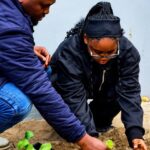
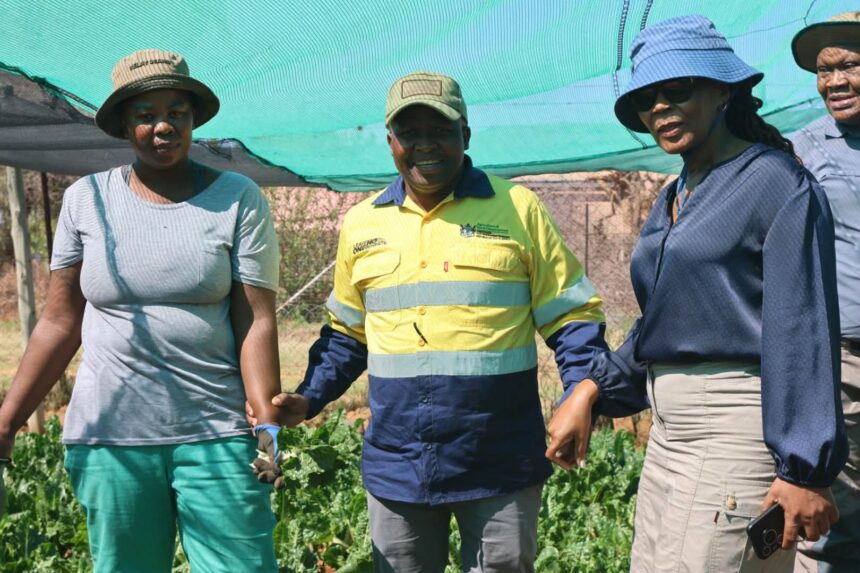
Agricultural activities were also taken to Khunwana Primary School, where garden tools were handed over and a practical demonstration was provided on the correct transplanting of vegetable seedlings. Practical training is important for community gardens because successful vegetable production depends on more than having access to seeds and equipment. Farmers and gardeners need to understand how to prepare seedlings, handle them correctly during transplanting and provide suitable conditions for establishment. Early crop management can influence plant survival, growth and eventual yields. Providing communities with both agricultural inputs and practical knowledge can therefore improve their ability to maintain productive gardens.
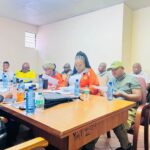
The programme also created an opportunity for communities to access information from the Department of Agriculture and related services. The departmental information stall provided information from Veterinary Services and Extension Services, giving residents access to technical support on agricultural production and livestock-related matters. Extension services play an important role in helping farmers identify production challenges, improve farming practices and make better decisions based on local conditions. Veterinary support is equally important for livestock owners because animal health directly affects productivity and household income. Bringing these services closer to communities can make it easier for small-scale producers to access advice before production problems become more serious.
Support was also provided to households involved in poultry and backyard gardening activities. Egg trays and chicken feed were distributed to beneficiaries involved in poultry production, while dry vegetable seeds were provided to 34 backyard garden beneficiaries. These inputs can help households start or strengthen small-scale production activities that contribute to food availability. Backyard gardens can provide fresh vegetables for household consumption while surplus produce may create opportunities for local selling. Poultry production can similarly contribute eggs and income when households have access to appropriate feed, basic management knowledge and reliable markets. Continued technical support will be important to ensure that beneficiaries can use these inputs effectively and maintain production beyond the initial intervention.
The combination of agricultural inputs, practical demonstrations, extension support and infrastructure development gives the Thuntsha Lerole programme a direct connection to rural economic activity. Food security depends not only on the availability of food but also on the ability of households and communities to produce food consistently. Community gardens can play a role in this effort when they have access to land, water, suitable inputs, technical knowledge and ongoing support. Agricultural projects can also become more sustainable when beneficiaries are encouraged to view production as both a food security activity and a potential source of income. This approach can help strengthen household resilience while creating opportunities for small-scale agricultural enterprises.
The programme also demonstrates the value of coordinating different areas of government support around local agricultural needs. A farmer or household producer may require seeds, equipment, extension advice, livestock services, infrastructure and access to markets at different stages of production. Providing these services through a coordinated approach can reduce some of the barriers faced by small-scale producers. It can also help communities make better use of government-supported infrastructure and agricultural projects. For the benefits to continue, beneficiaries will need ongoing support, responsible management of resources and a clear focus on maintaining productive activities.
The Thuntsha Lerole programme therefore provides a practical platform for connecting accelerated government service delivery with agricultural development in the North West. The activities at Khunwana show how community gardens, poultry projects, agricultural infrastructure and technical services can work together to support food production and livelihoods. Continued investment in practical training, extension services and productive infrastructure can help communities build stronger local food systems. For farmers and emerging producers, access to knowledge and reliable support can be just as important as the initial delivery of agricultural inputs. Strengthening these connections can help turn short-term interventions into productive activities that continue to benefit households and communities over the longer term.
Join 'Farmers Mag' WhatsApp Channel
Get the latest Farming news and tips delivered straight to your WhatsApp
CLICK HERE TO JOIN