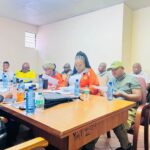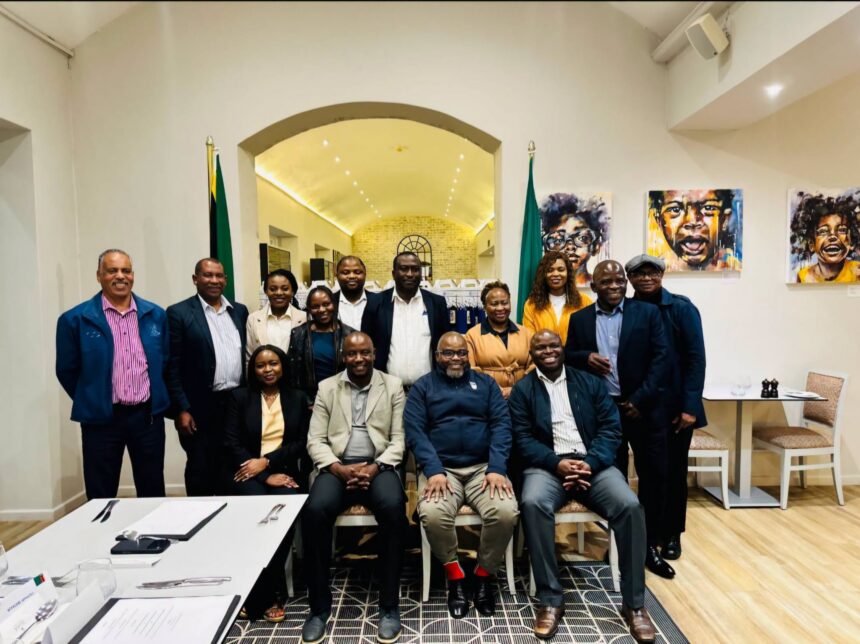
South Africa and Zambia are strengthening technical cooperation in digital agriculture and artificial intelligence through a South-South Cooperation Exchange Visit taking place from 14 to 17 September 2026. The initiative brings together agricultural and technology stakeholders from both countries to exchange knowledge on how digital tools can support modern farming and improve agricultural services. The National Department of Agriculture, working with the Western Cape Department of Agriculture, is hosting a delegation from Zambia as part of the exchange. The delegation includes representatives from the Zambian Ministry of Agriculture, FAO Zambia and Smart Zambia, while FAO South Africa is also participating in the programme. The visit highlights the growing importance of digital innovation and artificial intelligence in building more connected, responsive and efficient agricultural systems.
The exchange creates an opportunity for South Africa and Zambia to share practical experiences from their respective agricultural and digital transformation efforts. Discussions are focused on the design, implementation and governance of digital agriculture systems, as well as the application of artificial intelligence in the sector. These areas are becoming increasingly important as governments look for ways to provide farmers with timely information and more accessible agricultural services. Digital platforms can help connect farmers with information, government support and other agricultural resources, while AI can support the analysis of large amounts of agricultural data. By sharing experiences, the two countries can examine approaches that may be adapted to their own agricultural needs and institutional environments.
A key focus of the South-South Cooperation Exchange Visit is the role technology can play in improving agricultural service delivery. Farmers often require timely information about weather conditions, markets, production practices, pests, diseases and available government services. Digital systems can make it easier to deliver this information through platforms that farmers can access using phones and other connected devices. Artificial intelligence can also contribute by helping analyse information and identify patterns that can support agricultural decision-making. The exchange therefore provides an opportunity to consider how these technologies can move beyond innovation as a concept and become practical tools that improve the way agricultural institutions serve farmers.
The participation of the Zambian Ministry of Agriculture, Smart Zambia and the Food and Agriculture Organization brings together expertise from agriculture, digital transformation and international development. This combination is important because successful digital agriculture requires more than technology alone. Governments and agricultural institutions also need appropriate policies, governance frameworks, data management practices and systems that can operate effectively over time. Cooperation between agricultural and technology institutions can help ensure that digital solutions address real challenges faced by farmers and agricultural officials. The involvement of FAO Zambia and FAO South Africa further supports the exchange of technical knowledge and experiences between the participating countries.
South Africa’s Western Cape agriculture sector also provides an important setting for sharing practical experiences in digital agriculture. The province has a diverse agricultural economy and has increasingly incorporated technology into farming, agricultural information and service delivery. Engagement with visiting Zambian officials can provide opportunities to discuss how digital systems are designed and implemented within an agricultural environment. It can also allow participants to examine challenges linked to adoption, access, governance and the effective use of data. These practical discussions can help move the cooperation beyond theoretical discussions and towards lessons that can inform future digital agriculture programmes.
For Zambia, the exchange provides an opportunity to learn from South African experiences while also contributing knowledge from its own agricultural and digital transformation efforts. South-South cooperation is based on countries sharing experiences and solutions that can be relevant to other developing country contexts. This can be particularly useful in agriculture because countries often face related challenges involving farmer support, information access, productivity and climate-related pressures, even when their agricultural systems differ. Sharing practical experiences can help institutions identify approaches that can be tested or adapted rather than starting every digital transformation initiative from scratch. The exchange can therefore support continued learning between agricultural institutions in both countries.
Artificial intelligence is expected to remain an important part of discussions about the future of digital agriculture. AI technologies can process and analyse information that would otherwise take significant time and resources to evaluate manually. In agriculture, this may include applications involving crop monitoring, agricultural information services, forecasting, data analysis and decision-support tools. However, the effective use of AI also requires attention to data quality, governance, accessibility and the needs of the people who will use these systems. The exchange between South Africa and Zambia provides a platform for discussing both the opportunities created by AI and the practical considerations involved in using the technology responsibly in agriculture.
Digital agriculture can also contribute to stronger connections between farmers and public agricultural institutions. When information and services are available through accessible digital channels, farmers can potentially obtain support without relying entirely on traditional face-to-face processes. This can improve the speed and reach of communication while helping institutions manage information more efficiently. However, digital transformation must also consider farmers who face limited connectivity, digital skills or access to suitable devices. Sharing experiences between South Africa and Zambia can help participants consider how digital agricultural services can become more inclusive and useful across different farming communities.
The cooperation also reflects the broader role of technology in transforming agriculture across Africa. Agricultural systems are under pressure to improve productivity, strengthen resilience and provide better support to farmers while responding to changing environmental and economic conditions. Digital technologies offer governments and agricultural organisations additional tools to address some of these challenges. The value of these technologies depends on how effectively institutions integrate them into existing agricultural systems and how easily farmers can access and use the resulting services. Continued cooperation can help countries learn from successful approaches while identifying areas where further development and investment are needed.
The South-South Cooperation Exchange Visit from 14 to 17 September 2026 demonstrates the importance of collaboration when developing digital solutions for agriculture. South Africa and Zambia are using the engagement to exchange technical knowledge, practical experiences and ideas around digital agriculture and artificial intelligence. The participation of national and provincial agricultural authorities, Zambian technology and agricultural institutions and FAO representatives creates a broad platform for technical engagement. The focus on service delivery, farmer support, information access, digital governance and AI applications connects technology directly with practical agricultural needs. As both countries continue exploring digital transformation, this cooperation can contribute to the development of more connected and digitally enabled agricultural sectors that are better positioned to serve farmers.
Join 'Farmers Mag' WhatsApp Channel
Get the latest Farming news and tips delivered straight to your WhatsApp
CLICK HERE TO JOIN