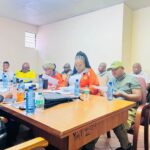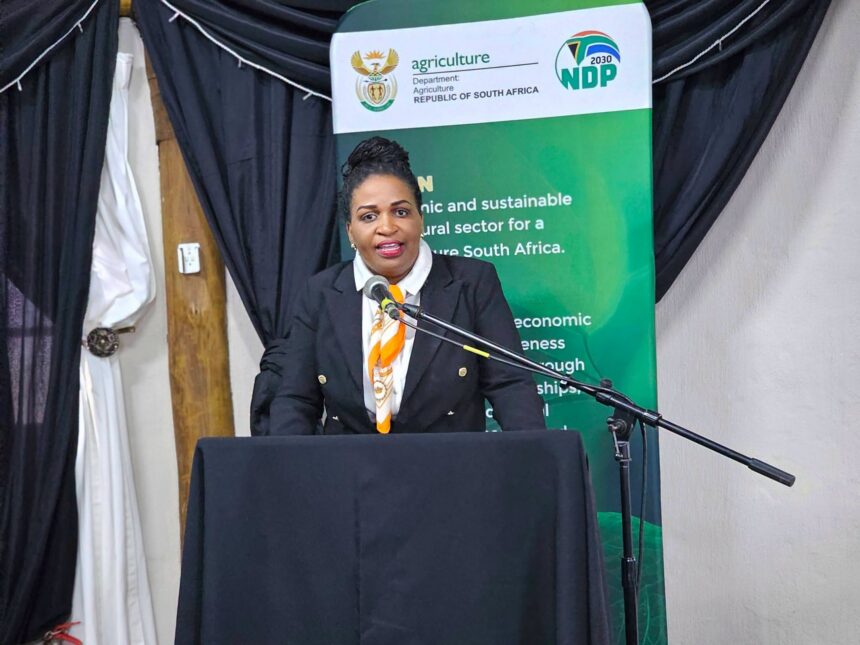
The National Department of Agriculture is continuing its nationwide consultations on the National Food and Nutrition Security Plan (NFNSP) 2025 to 2033, with stakeholders in the uMgungundlovu District in KwaZulu-Natal taking part in the latest engagement. The consultations form part of a broader process aimed at ensuring that the country’s future approach to food and nutrition security reflects the realities faced by communities across South Africa. Food security remains a major national priority because access to sufficient, safe and nutritious food affects household wellbeing, public health and economic stability. By taking the consultation process into districts and communities, the department is creating opportunities for stakeholders to share practical experiences from the ground. The information gathered through these engagements will help shape a plan that addresses both current challenges and longer-term food and nutrition needs.
The consultation in uMgungundlovu District is one of several engagements being held across KwaZulu-Natal and other parts of the country. These discussions give stakeholders an opportunity to explain the challenges they experience within their communities and sectors while also putting forward possible solutions. Local experiences are important because food and nutrition challenges can differ significantly between communities depending on factors such as household income, agricultural activity, access to markets, water availability and local infrastructure. Farmers, community organisations, government structures and other stakeholders can therefore provide information that may not be captured through national-level planning alone. Their participation can help ensure that the final NFNSP is practical, relevant and capable of responding to conditions experienced by people in different parts of South Africa.
The National Food and Nutrition Security Plan 2025 to 2033 is intended to provide a coordinated framework for improving access to safe, nutritious and healthy food. The department’s consultation process recognises that food security involves more than simply increasing food production. It also involves ensuring that people can access food, afford it and consume diets that support good health. Issues affecting farmers, food producers, households, communities and consumers can all influence the country’s ability to achieve sustainable food and nutrition security. A comprehensive national plan therefore needs to consider the different factors that affect the food system from production through to household consumption.
One of the key strengths of the consultation process is its focus on gathering experiences and recommendations directly from stakeholders. People working within communities often have first-hand knowledge of barriers that affect access to food and agricultural opportunities. Their input can highlight challenges linked to production costs, access to resources, infrastructure, markets, livelihoods and household food affordability. Stakeholder recommendations can also help identify interventions that have worked in particular communities and could potentially be expanded to other areas. Including these perspectives in the planning process can improve the relevance of policies and help government develop interventions that are better aligned with conditions on the ground.
The department has emphasised that the NFNSP should not be viewed as a government plan alone. Food and nutrition security requires cooperation between government, communities, agricultural producers, businesses, civil society organisations and other stakeholders. Each group has responsibilities that can contribute to building a stronger and more resilient food system. Government can provide policy direction and support, while farmers and other food producers play a central role in producing food and sustaining agricultural activity. Communities and households also have an important role in identifying local priorities and supporting initiatives that improve food access, nutrition and resilience.
The consultations also provide an opportunity to consider how South Africa can strengthen its food system over the longer term. Changes in household affordability, agricultural conditions, access to resources and other pressures can affect people’s ability to secure nutritious food. Addressing these challenges requires policies that recognise the connection between agriculture, livelihoods, nutrition and community development. It also requires cooperation across different levels of government and between public and private sector stakeholders. A long-term plan that reflects these connections can provide a stronger foundation for coordinated action between 2025 and 2033.
For agricultural communities, the consultation process can also create an opportunity to raise issues that directly affect food production. Smallholder farmers and other producers may face challenges involving access to land, water, inputs, finance, infrastructure, technology and reliable markets. These challenges can affect both the quantity of food produced and the ability of producers to remain economically sustainable. Listening to farmers and agricultural stakeholders can help policymakers understand how these obstacles influence the wider food system. Addressing production-related challenges can contribute to stronger local food systems while supporting livelihoods in rural and farming communities.
The involvement of communities is equally important because national food security ultimately affects households and individuals. People need access to food that is not only available but also safe, affordable and nutritious. Rising household pressures can make it difficult for families to maintain healthy diets, particularly when nutritious food becomes less affordable or difficult to access. Community-level input can help identify the realities behind these challenges and provide policymakers with a clearer understanding of what households need. This information can then contribute to interventions that focus on improving food access while supporting healthier nutritional outcomes.
The consultation process also demonstrates the importance of collaboration when addressing complex national challenges. No single institution can solve food and nutrition insecurity on its own because the issue involves agriculture, health, social development, economic conditions, infrastructure and community participation. A successful strategy needs clear coordination and meaningful contributions from different stakeholders. The department’s nationwide engagement process is intended to bring these perspectives together before the final plan is developed. This approach can help build stronger ownership of the NFNSP and encourage stakeholders to contribute to its implementation once it is finalised.
The ongoing engagement in uMgungundlovu District therefore forms part of a much broader national effort to develop a food and nutrition security framework that responds to South Africa’s needs. The views gathered during these consultations can help identify weaknesses, strengthen proposed interventions and ensure that the final plan is informed by real experiences. The process also reinforces the idea that food security is a shared responsibility rather than an issue that can be addressed by government alone. Every stakeholder has an opportunity to contribute knowledge, experience and recommendations that could influence the country’s approach to food and nutrition security. By bringing these voices into the planning process, South Africa can work towards a food system that provides safer, healthier and more reliable access to nutritious food for all.
Join 'Farmers Mag' WhatsApp Channel
Get the latest Farming news and tips delivered straight to your WhatsApp
CLICK HERE TO JOIN