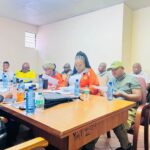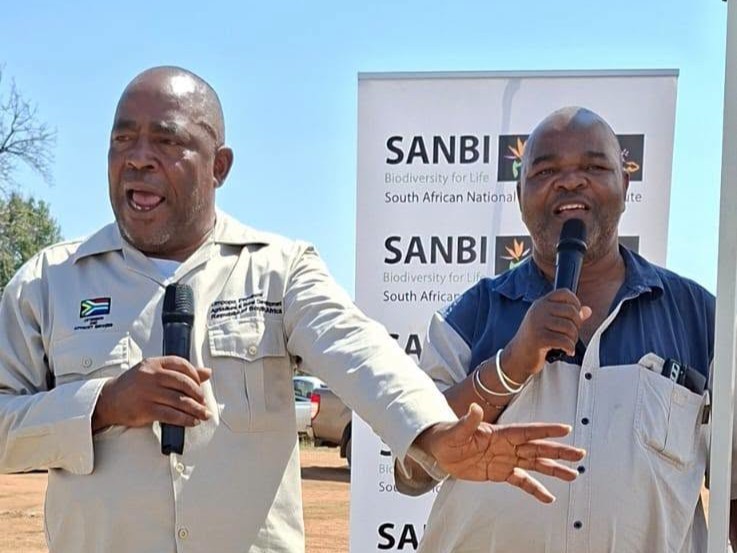
The Limpopo Department of Agriculture and Rural Development has highlighted the importance of sustainable land management and rural development during Landcare Day at Gidjamandeni Village in the Collins Chabane Local Municipality. The event in the Vhembe District showcased how the Landcare Programme can support communities by improving natural resource management, strengthening livestock production and creating employment opportunities. The programme encourages farmers, local groups and communities to take greater responsibility for protecting and managing the natural resources they depend on. This approach is particularly important in rural areas where livestock farming provides food, income and economic opportunities for many households. The developments taking place at Gidjamandeni Village demonstrate how investment in land and livestock infrastructure can contribute to stronger rural economies while promoting the sustainable use of communal agricultural resources.
The Landcare Programme is a government initiative focused on encouraging communities and farmers to conserve and manage agricultural resources responsibly. Sustainable natural resource management is important because land degradation can reduce the quality and availability of grazing areas over time. Poorly managed grazing land can affect pasture quality, livestock health and the productivity of farming operations. Landcare activities aim to address these challenges by supporting practical interventions that protect the environment while improving agricultural production. By involving communities in the management of their natural resources, the programme also encourages local ownership and greater participation in development initiatives.
At Gidjamandeni Village, the Limpopo Department of Agriculture and Rural Development is using funding from its LandCare Conditional Grant to develop grazing camps across a 1,300-hectare area. The project is designed to improve livestock production by creating better managed grazing areas and supporting the sustainable utilisation of communal land. Grazing camps can help farmers manage livestock movement and reduce uncontrolled grazing across large communal areas. Better grazing management can also support the recovery of vegetation and help maintain productive pastures for livestock. The development therefore has the potential to benefit both farmers and the natural resources on which their livestock depend.
Significant progress has already been made through the project, with 11 kilometres of grazing camps fenced to date. A borehole has also been drilled and equipped, while two livestock drinking troughs have been installed to improve access to water. Reliable water infrastructure can make a major difference to livestock farmers, particularly in rural areas where animals may otherwise have to travel long distances to reach suitable water sources. Better access to water can support livestock health while reducing pressure on farmers who have to manage animals across large communal grazing areas. These improvements form part of a broader effort to create infrastructure that supports more productive and sustainable livestock farming in Gidjamandeni.
Additional work is currently underway to expand the project and improve the condition of the land. A further 593 hectares of invasive plants are being cleared as part of efforts to improve grazing resources. Invasive plants can compete with indigenous vegetation and reduce the amount of useful pasture available for livestock. Clearing affected areas can help restore productive grazing land and create better conditions for natural vegetation to recover. The department is also working to fence an additional 12 kilometres of grazing camps, which will further strengthen grazing management and improve the organisation of livestock resources within the community.
The infrastructure being developed is expected to provide several benefits for livestock farmers in Gidjamandeni Village. Improved access to grazing areas can help farmers manage available pasture more effectively while reducing pressure on specific sections of communal land. Livestock drinking troughs supplied by the new borehole can also improve access to water and support better animal management. These interventions can contribute to improved livestock productivity when farmers combine them with responsible grazing practices and proper livestock care. The project also supports the principle that communal grazing resources need to be managed carefully so that they remain productive for current farmers and future generations.
The economic benefits of the Landcare project were also highlighted during the Landcare Day event. Speaking on behalf of the Gidjamandeni Landcare Committee, Mr HG Chauke encouraged neighbouring villages to take ownership of development initiatives within their communities. Chauke highlighted that Landcare activities in Gidjamandeni have created 130 permanent jobs, demonstrating that environmental and agricultural projects can also contribute directly to local livelihoods. Employment opportunities can provide households with more stable sources of income while giving community members a role in maintaining and developing local infrastructure. The project therefore connects environmental conservation with economic participation and rural development.
Community ownership remains an important part of ensuring that development projects deliver lasting benefits. Infrastructure such as fencing, boreholes and livestock troughs requires proper maintenance and responsible use after construction is completed. When local communities participate in planning and managing these resources, they can help protect the investments made in their areas. Chauke’s call for neighbouring villages to take ownership of development initiatives reflects the need for communities to become active participants rather than simply beneficiaries of government programmes. Strong local involvement can improve accountability and help ensure that Landcare projects continue delivering benefits over the long term.
The condition of grazing land was also addressed during the event, with Mrs Wisani Mushadu from the Limpopo Department of Agriculture and Rural Development’s Veld Condition Assessment and Management Services encouraging farmers to regularly assess their grazing areas. Monitoring veld condition allows farmers to identify changes in vegetation and determine whether grazing pressure is affecting the quality of available pastures. Regular assessment can also help farmers make better decisions about livestock numbers, grazing patterns and the timing of livestock movement between different areas. Ensuring that animals have access to nutritious pastures is important for maintaining livestock health and improving productivity. Farmers who understand the condition of their grazing resources are better placed to manage their land sustainably and protect it from long-term degradation.
Landcare Day at Gidjamandeni Village demonstrated how sustainable natural resource management can support several development priorities at the same time. The project is improving grazing infrastructure, increasing access to livestock water, clearing invasive plants and creating employment opportunities within the community. It also promotes greater awareness of the need to manage communal grazing resources responsibly. The progress made through the LandCare Conditional Grant shows how targeted investment can strengthen rural livestock production while supporting environmental conservation. Continued cooperation between the department, farmers, local committees and communities will be important to maintain these gains and expand similar initiatives across Limpopo.
Join 'Farmers Mag' WhatsApp Channel
Get the latest Farming news and tips delivered straight to your WhatsApp
CLICK HERE TO JOIN