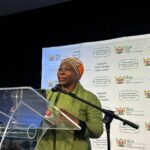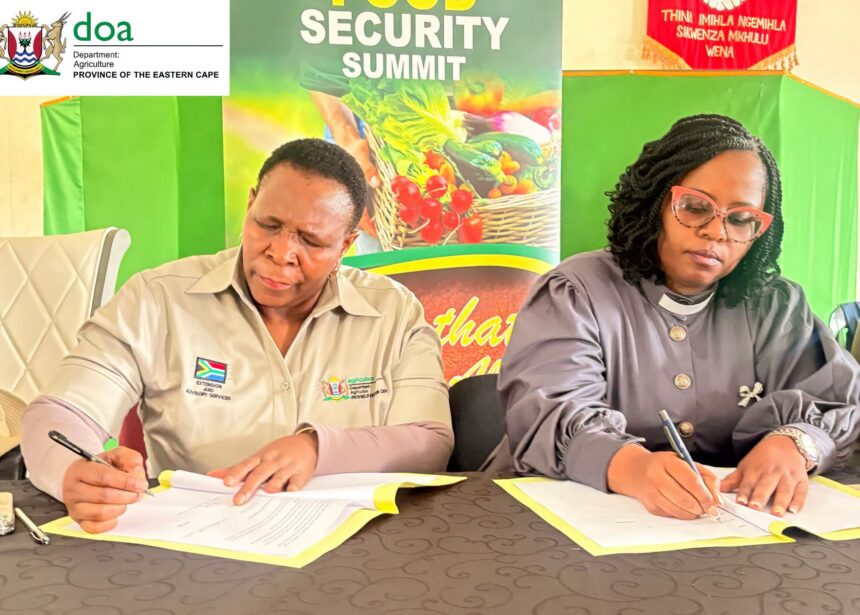
The Eastern Cape Department of Agriculture has joined forces with the Methodist Church of Southern Africa to strengthen food production and expand agricultural opportunities for communities across the province. The partnership was formalised through a Memorandum of Understanding signed by Eastern Cape Department of Agriculture MEC Nonceba Kontsiwe and Methodist Church of Southern Africa Presiding Bishop Rev Pumla Nzimande. The agreement creates a framework for cooperation on food security, agricultural skills development, market access, research and sustainable farming practices. For farmers and community food producers, the partnership could provide stronger links to agricultural support, training and potential markets. It also highlights the importance of bringing government, community organisations and local producers together to strengthen agricultural production at grassroots level.
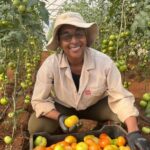
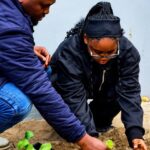
One of the main objectives of the agreement is to strengthen food security initiatives across districts and Methodist Church circuits. Community food gardens can make an important contribution to food production, particularly when farmers and community members have access to suitable land, water, production inputs and technical advice. These gardens can supply households with fresh produce while creating opportunities for producers to generate income from surplus crops. With appropriate support, some community gardens can also develop into more structured agricultural enterprises that supply local markets. Strengthening these initiatives can therefore contribute to both household food security and the development of small-scale farming businesses.
Agricultural skills development will be another important part of the partnership, with the two organisations seeking to equip volunteers and local communities with practical farming knowledge and resources. Farmers need more than access to land to achieve consistent production, as they also need knowledge of soil preparation, planting, irrigation, pest and disease management, harvesting and post-harvest handling. Training can help community producers improve their production practices and make better use of available agricultural resources. It can also introduce participants to basic farm business management, record keeping and production planning. Building these skills within rural communities can create a stronger foundation for productive and sustainable farming.
The partnership could also help strengthen the role of community food gardens within the wider agricultural value chain. Food production can create opportunities for local businesses involved in supplying seeds, fertiliser, equipment, transport, packaging and other services. Farmers who produce consistent volumes and meet quality requirements can potentially move beyond household consumption and supply local buyers. This makes market access a critical part of ensuring that food gardens remain productive and financially sustainable. The agreement’s focus on connecting MCSA-supported food gardens with markets could therefore help producers turn agricultural production into a more reliable source of income.
Market access remains a challenge for many small-scale and emerging farmers, particularly those who produce relatively small volumes. Farmers may have the ability to grow quality produce but struggle to identify buyers, meet supply requirements or maintain consistent production. Support with market information, production planning, quality standards and post-harvest handling can help address some of these barriers. Agricultural expos and educational platforms included in the partnership could also create opportunities for producers to meet buyers and learn more about the requirements of different markets. Stronger connections between community producers and agricultural markets can help increase the commercial value of local food production.
The agreement also provides for joint advocacy and public awareness through agricultural expos and educational platforms. These activities can expose farmers and community members to new production techniques, agricultural technologies and available support programmes. They can also provide opportunities for producers to share experiences and learn from farmers working under similar conditions. Demonstrations of sustainable farming practices can be particularly useful because farmers can see how different methods work in practical settings. Continued information sharing can help communities adopt farming practices that improve productivity while protecting the natural resources needed for future production.
Sustainable agriculture will form another important area of cooperation, with the partnership seeking to advance research and innovation in farming practices. Sustainable production is increasingly important for farmers who need to manage soil health, water availability and changing climatic conditions while maintaining productivity. Efficient water use, improved soil management, appropriate crop selection and responsible use of agricultural inputs can help producers protect their resources. Research can also help identify farming methods that are suitable for local conditions and accessible to small-scale producers. Bringing practical research and innovation closer to farming communities can help farmers make informed decisions about how they manage their land and production systems.
The partnership also has the potential to strengthen agricultural development through the Methodist Church’s established community networks. Local structures can help identify communities interested in food production and support the coordination of volunteers involved in agricultural projects. The Department of Agriculture can complement this reach by providing technical knowledge, agricultural guidance and links to relevant programmes. This combination can make it easier to connect community producers with the resources and information they need to improve production. Strong coordination will be important to ensure that projects receive appropriate support and that farmers have clear plans for maintaining their gardens and developing their agricultural activities.
The focus on food production also creates an opportunity to address rural livelihoods through agriculture rather than viewing community gardens only as short-term food relief projects. Productive gardens can provide food while creating opportunities for income generation, skills development and participation in local agricultural value chains. Farmers who gain experience through these initiatives may also be able to expand their production or develop related agricultural enterprises over time. However, long-term success will depend on access to water, suitable inputs, technical support, reliable markets and sound farm management. Ensuring that these factors are addressed will be important if the partnership is to translate its objectives into sustainable agricultural businesses.
The MoU between the Eastern Cape Department of Agriculture and the Methodist Church of Southern Africa demonstrates how partnerships can support farmers and strengthen local food production. Its focus on agricultural skills, food security, market access, sustainable farming and innovation addresses several practical issues affecting small-scale and community producers. The success of the initiative will depend on how effectively these commitments are implemented at district and community level. Farmers and community producers will need continued technical support while also taking an active role in managing their production activities and pursuing market opportunities. If the partnership delivers consistent support and creates stronger links between communities and agricultural markets, it could contribute to increased food production, stronger rural livelihoods and a more resilient agricultural sector in the Eastern Cape.
Join 'Farmers Mag' WhatsApp Channel
Get the latest Farming news and tips delivered straight to your WhatsApp
CLICK HERE TO JOIN