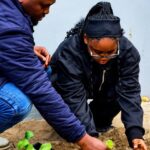
The Department of Agriculture, Rural Development, Land and Environmental Affairs hosted a youth workshop at the KwaMhlanga Government Complex to help young people better understand opportunities within agriculture and rural economic development. The workshop brought together young participants to discuss agriculture, entrepreneurship, access to funding and mental wellness. For the farming sector, creating opportunities for young people is increasingly important as the industry needs a new generation of farmers, agricultural entrepreneurs and skilled professionals. The session provided practical information while giving participants an opportunity to ask questions and discuss the challenges they face. It also highlighted the role that government and development agencies can play in helping young people turn agricultural interests into sustainable livelihoods.
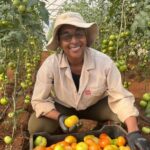
Agriculture was a key focus of the workshop, with a young farmer encouraging fellow participants to consider opportunities across the agricultural sector. The message was particularly relevant for young people who may view farming only as a traditional family activity rather than as a modern business opportunity. Agriculture offers opportunities in crop production, livestock farming, horticulture, agro-processing, agricultural services, marketing and other parts of the value chain. Young farmers can also introduce new approaches to production, technology and business management as they enter the sector. Encouraging more young people to participate can help strengthen the skills base of agriculture and support the long-term sustainability of farming communities.
For aspiring farmers, access to information can be just as important as access to land and finance. Young people need to understand where they can obtain agricultural training, technical support, business development assistance and funding. They also need practical knowledge about production planning, record keeping, markets and the costs involved in establishing a farming enterprise. The workshop created an opportunity to connect young people with information that can help them make more informed decisions before starting agricultural businesses. This type of engagement can help reduce some of the challenges faced by inexperienced farmers and encourage better preparation before investing in production.
Entrepreneurship was another important part of the programme, particularly the funding opportunities available to young people. A representative from the National Youth Development Agency shared information about support available to young entrepreneurs. Funding can help young people purchase equipment, acquire inputs, develop businesses and expand viable enterprises, but applicants need to understand the requirements attached to different programmes. A strong business plan, realistic financial projections and a clear understanding of the intended market can improve an entrepreneur’s preparedness when seeking support. For young people interested in agriculture, understanding these requirements can help turn a farming idea into a more structured and sustainable business venture.
The agricultural sector also provides opportunities beyond farming itself, which is important for young people who may not have access to land. Agricultural value chains require businesses that provide inputs, machinery services, transport, storage, processing, packaging, marketing and other services. Young entrepreneurs can therefore participate in agriculture without necessarily owning a large farming operation. Identifying gaps in local agricultural value chains can help young people develop businesses that serve existing farmers and rural communities. This wider view of agriculture can create more opportunities for youth participation while strengthening the businesses and services that support primary production.
Mental wellness also formed part of the workshop, recognising that young farmers and entrepreneurs can face significant pressure while building their careers. Starting a farming business can involve financial uncertainty, production risks, market challenges and the pressure of managing a business with limited experience. Young people also face broader social and personal challenges that can affect their ability to study, work or operate a business effectively. Providing information about mental health can encourage participants to recognise challenges early and seek appropriate support. Including mental wellness in agricultural youth programmes helps reinforce the idea that building a successful farming career requires attention to both business development and personal wellbeing.
Participants actively engaged with the speakers by asking questions and sharing their own experiences and challenges. Their participation provided an opportunity to discuss some of the practical barriers young people encounter when trying to access agricultural opportunities and establish businesses. These conversations are valuable because they allow development programmes to understand the realities faced by young people in rural communities. They can also help participants learn from one another and identify possible solutions to common challenges. Continued engagement with young farmers and aspiring agricultural entrepreneurs can help ensure that future support initiatives respond to the needs of the people they are designed to serve.
The workshop also reinforced the importance of collaboration between government departments, youth organisations, farmers and young entrepreneurs. Government can provide programmes and information, while experienced farmers can offer practical knowledge about production and the realities of running agricultural businesses. Youth organisations can help connect young people with funding and development opportunities, while participants themselves must take responsibility for building their skills and pursuing available opportunities. Stronger connections between these groups can create a more supportive environment for young people entering agriculture. This is particularly important as the sector looks to develop skilled producers and agricultural entrepreneurs who can contribute to food production and rural economic growth.
The Department reaffirmed its commitment to continuing youth empowerment initiatives across the province, providing an important signal about the need for sustained support for young people in agriculture. One workshop cannot address every challenge facing aspiring farmers, but continued programmes can help build knowledge, networks and access to opportunities over time. Young people who are interested in agriculture can benefit from taking advantage of available training, funding information, mentorship and technical support while developing realistic plans for their farming ventures. The KwaMhlanga workshop showed that youth development and agricultural development are closely connected, particularly when young people receive practical information and opportunities to participate in the sector. Investing in the next generation of farmers and agricultural entrepreneurs can help strengthen rural economies and support the future of food production.
Join 'Farmers Mag' WhatsApp Channel
Get the latest Farming news and tips delivered straight to your WhatsApp
CLICK HERE TO JOIN