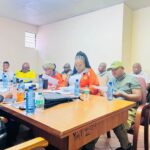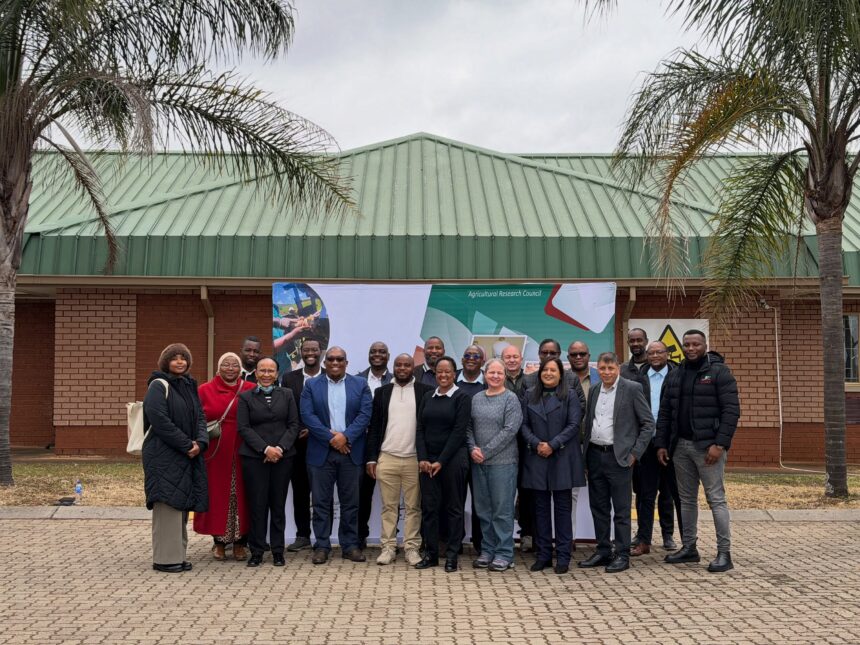
The Agricultural Research Council (ARC) has hosted a delegation from National Treasury at the Onderstepoort Veterinary Research Transboundary Animal Diseases (TAD) Laboratory to provide a closer understanding of the country’s capacity to manage serious animal disease threats. The engagement focused on the TAD Biosafety Level 3 high-containment facility and the potential development of Foot and Mouth Disease (FMD) vaccine production capacity. Foot and Mouth Disease remains an important concern for livestock production because outbreaks can affect animal health, trade, farming operations and the wider agricultural economy. Providing National Treasury with firsthand information about the facility and its capabilities can help strengthen understanding of the investments required to improve the country’s preparedness. The visit also created an opportunity to connect scientific and technical requirements with the financial decision-making processes needed to support future infrastructure and vaccine production.
The TAD Laboratory at Onderstepoort Veterinary Research plays an important role in research and diagnostic work involving transboundary animal diseases. High-containment facilities are designed to allow scientists to work with serious infectious diseases under controlled conditions that protect staff, the surrounding environment and the integrity of the research. A Biosafety Level 3 facility requires specialised infrastructure, equipment, procedures and highly trained personnel to support safe work with pathogens that can pose significant risks. National Treasury’s visit provided an opportunity to gain a practical understanding of what such a facility requires to operate effectively. This type of engagement can help decision-makers assess the relationship between laboratory infrastructure, disease preparedness and national agricultural priorities.
A major focus of the meeting was Foot and Mouth Disease vaccine production, an area with significant implications for livestock health and agricultural resilience. FMD is a highly contagious viral disease that affects cloven-hoofed animals, including cattle, sheep, goats and pigs. An outbreak can place substantial pressure on farmers and veterinary authorities because affected areas may require strict disease-control measures and movement restrictions. FMD can also have serious implications for domestic and international trade in livestock and animal products. Strengthening local vaccine production capacity could therefore form an important component of a broader national strategy for managing the risks associated with the disease.
The discussions with National Treasury were particularly important because major laboratory upgrades and vaccine manufacturing facilities require substantial long-term investment. Government needs to assess proposed investments carefully to determine their technical feasibility, strategic value and potential contribution to national priorities. By visiting the facility and receiving information directly from ARC specialists, the National Treasury delegation could gain a clearer understanding of the infrastructure, capabilities and requirements involved. This firsthand knowledge can support more informed consideration of any potential funding for an FMD vaccine production factory. It can also help inform decisions about broader laboratory upgrades that may be necessary to strengthen the ARC’s research and diagnostic capacity.
The National Treasury delegation expressed appreciation for the opportunity to receive firsthand information about the facility and the proposed areas of development. Direct engagement between scientists and financial decision-makers can improve understanding of the practical requirements behind major public-sector investments. Scientific infrastructure can involve complex technical needs that are difficult to assess through written proposals alone. Seeing the facility and engaging with experts allows funding stakeholders to better understand how infrastructure supports research, disease surveillance, diagnosis and vaccine development. This type of interaction can contribute to stronger decision-making when government considers future investments in animal health infrastructure.
The potential development of an FMD vaccine production factory also raises important questions about national preparedness and the security of vaccine supply. Reliable access to vaccines can be an important part of managing animal disease risks, particularly when countries face outbreaks that require rapid responses. Local production could potentially strengthen the country’s ability to respond to disease emergencies while reducing reliance on external sources for critical veterinary products. However, vaccine production requires specialised facilities, scientific expertise, quality systems and sustained investment. Any future development would therefore need to consider the full range of technical, regulatory and financial requirements necessary to establish and maintain a reliable production capability.
Broader laboratory upgrades at the ARC could also strengthen the country’s ability to respond to transboundary animal diseases. Modern veterinary laboratories support activities such as disease diagnosis, surveillance, research and the development of improved control strategies. Maintaining appropriate infrastructure is essential because disease threats can evolve and require increasingly sophisticated scientific capabilities. Investment in laboratory facilities can also support the training and retention of specialists who play an important role in protecting animal health. Strengthening these capabilities can improve national preparedness and help veterinary authorities respond more effectively when serious diseases are detected.
The engagement also demonstrates the importance of collaboration between scientific institutions and government departments. The ARC brings specialised research and veterinary expertise, while National Treasury plays an important role in assessing public spending priorities and potential funding requirements. These responsibilities are different but closely connected when major investments in national scientific infrastructure are being considered. Effective communication between the two institutions can help ensure that technical needs are clearly understood and that potential investments are assessed against broader national objectives. Continued collaboration can therefore help create a stronger foundation for decisions involving animal health infrastructure and vaccine production.
The meeting was led by Dr Litha Magingxa on behalf of the ARC, while Mr Bothwell Deka led the National Treasury delegation. Their leadership reflects the importance of bringing senior representatives together when discussing strategic investments in scientific and agricultural infrastructure. Such engagements can help align institutional priorities and ensure that technical discussions receive appropriate attention at decision-making level. They also provide an opportunity to identify areas where additional information or further assessment may be required before funding decisions are made. Continued engagement will be important as the potential FMD vaccine production project and laboratory upgrades are considered.
The visit to the Onderstepoort Veterinary Research TAD Laboratory highlights the connection between scientific infrastructure, public investment and national livestock disease preparedness. Giving National Treasury a firsthand understanding of the TAD Biosafety Level 3 high-containment facility and FMD vaccine production requirements can support more informed consideration of potential funding. Strong laboratory capabilities and reliable vaccine production could strengthen the country’s ability to prepare for and respond to serious animal disease threats. Any investment in these areas would also need to be supported by appropriate expertise, quality systems and long-term operational planning. The ARC and National Treasury engagement therefore represents an important step towards building a stronger animal health system that can protect livestock, support farmers and strengthen the resilience of the agricultural sector.
Join 'Farmers Mag' WhatsApp Channel
Get the latest Farming news and tips delivered straight to your WhatsApp
CLICK HERE TO JOIN