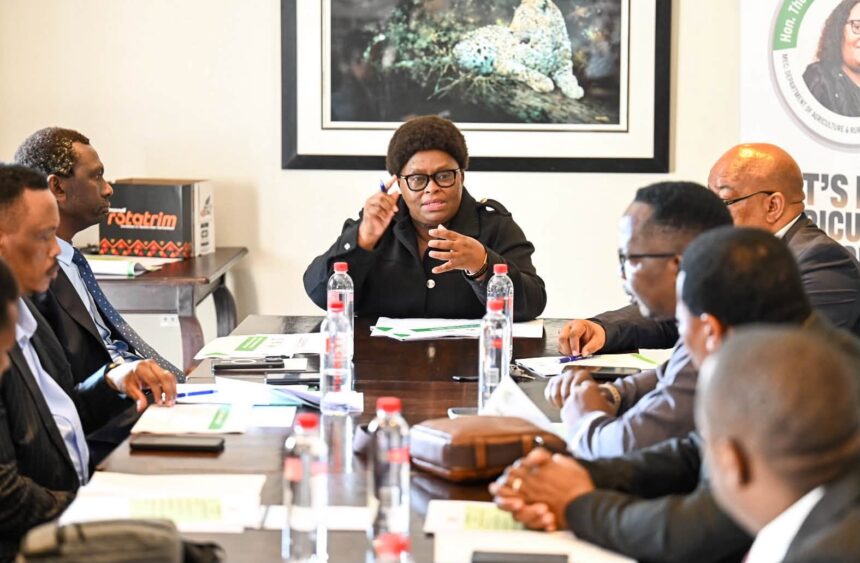
Agriculture is set to remain an important part of development discussions in uMkhanyakude District Municipality as government strengthens engagement with traditional leaders on rural economic opportunities. The MEC for the Department of Agriculture and Rural Development, in her capacity as MEC Champion for uMkhanyakude District Municipality, convened a crucial engagement with local traditional leaders to discuss priorities affecting communities across the district. The meeting forms part of the District Development Model’s efforts to improve coordination between government structures and ensure that local priorities are reflected in service delivery planning and budgeting. Agriculture featured prominently in the discussions, including opportunities to invest in cassava agricultural activities and projects. The engagement also considered ways to address youth unemployment and unlock the district’s tourism potential, highlighting the need for an integrated approach to rural development.
The involvement of traditional leaders is particularly important for agricultural planning because many rural communities in KwaZulu-Natal depend directly or indirectly on land-based economic activities. Traditional leaders govern mostly in rural areas covering approximately 2.8 million hectares of land across the province. Their knowledge of local communities, land use and rural conditions can provide valuable information when government develops agricultural programmes and allocates resources. Including traditional leaders in planning discussions can also help identify farming opportunities and challenges that may require targeted government intervention. For farmers and agricultural communities, stronger cooperation between traditional leadership and government could improve the alignment between public investment and the practical needs of rural producers.
One of the key agricultural issues discussed during the engagement was investment in cassava farming activities and projects. Cassava can offer opportunities for rural farmers when production is supported by suitable infrastructure, technical knowledge, reliable markets and appropriate value chains. Beyond primary production, cassava can create opportunities for processing and other agricultural enterprises, potentially allowing farmers and rural businesses to participate in different stages of the value chain. Developing such projects requires careful planning to ensure that farmers understand production requirements and have access to buyers once their crops are harvested. The focus on cassava therefore presents an opportunity to explore how a suitable crop can contribute to agricultural diversification and rural economic activity in uMkhanyakude.
For emerging farmers, agricultural projects are more likely to succeed when government support extends beyond the initial distribution of resources. Farmers need access to extension services, production information, infrastructure, finance, inputs, technology and markets. Cassava projects would similarly require a clear understanding of production conditions and the commercial opportunities available to producers. Traditional leaders can help facilitate communication with farming communities while government agricultural structures can provide technical and institutional support. This type of cooperation could help ensure that agricultural projects are developed around realistic local opportunities rather than being implemented without sufficient consideration of the needs of farmers.
Youth unemployment was another important issue raised during the meeting, with agriculture offering one potential avenue for creating economic opportunities for young people in rural communities. Young people can participate in crop production, livestock farming, agricultural processing, logistics, marketing and other parts of the agricultural value chain. However, attracting and retaining young people in agriculture requires more than encouraging them to farm. They also need access to land, skills development, finance, technology, markets and business support. Linking youth development initiatives to agricultural projects such as cassava production could create opportunities for young entrepreneurs while strengthening the district’s agricultural economy.
The meeting also highlighted the potential for tourism to contribute to rural economic development. Although tourism and agriculture operate in different sectors, they can complement each other in rural areas through activities such as farm tourism, local food production, cultural experiences, accommodation and community-based enterprises. Traditional leaders can play an important role in developing tourism opportunities connected to local heritage and community resources. Farmers and rural entrepreneurs can potentially benefit from increased demand for locally produced food and services when tourism activity grows. Coordinated planning could therefore help ensure that agricultural communities are positioned to participate in wider economic opportunities across the district.
The District Development Model provides a framework for bringing different government structures and local stakeholders together around shared development priorities. For farmers, coordinated planning can be important because agricultural development often depends on services and infrastructure managed by different institutions. Water infrastructure, roads, land access, electricity, markets, skills development and environmental management can all influence whether a farming enterprise can operate successfully. Bringing these issues into a common planning process can help identify gaps and reduce duplication between government programmes. The participation of traditional leaders adds another layer of local knowledge that can help decision-makers better understand the conditions facing rural communities.
Budget planning was therefore an important part of the engagement. Public budgets determine how resources are allocated to agricultural development, infrastructure and other programmes that affect rural communities. Having traditional leaders participate in these discussions can help ensure that local priorities are communicated before decisions are finalised. Their involvement can also strengthen communication between government and communities about available programmes and development plans. For farmers, better alignment between budgets and local agricultural needs could support improved access to services and infrastructure. Effective participation must ultimately be followed by implementation, monitoring and measurable results so that planned investments translate into practical benefits.
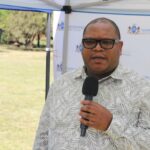
The MEC emphasised the importance of involving traditional leaders in planning, saying, “We cannot plan for our communities without those who lead them. Traditional leaders must be at the centre of One Plan, One Budget if we are to succeed.” The statement highlights the importance of coordinated planning and direct engagement with local leadership structures. The One Plan, One Budget approach is intended to create greater alignment between development priorities and the resources available to implement them. In agricultural communities, this coordination can help connect farming needs with broader investments in infrastructure, economic development and public services. Continued engagement will be important to ensure that priorities identified during discussions are translated into programmes that farmers and rural communities can access.
The engagement in uMkhanyakude presents an opportunity to place agriculture more firmly at the centre of rural economic development. The proposed focus on cassava projects could open new opportunities for farmers while also supporting processing, markets and youth participation in the agricultural value chain. At the same time, addressing youth unemployment and developing tourism can create complementary economic opportunities for rural communities. Traditional leaders, government departments, municipalities and farmers all have different roles to play in turning these opportunities into sustainable projects. If the commitments discussed through the District Development Model are supported by effective planning, appropriate funding, technical assistance and market access, uMkhanyakude could strengthen its agricultural economy while creating broader opportunities for rural development.
Join 'Farmers Mag' WhatsApp Channel
Get the latest Farming news and tips delivered straight to your WhatsApp
CLICK HERE TO JOIN