

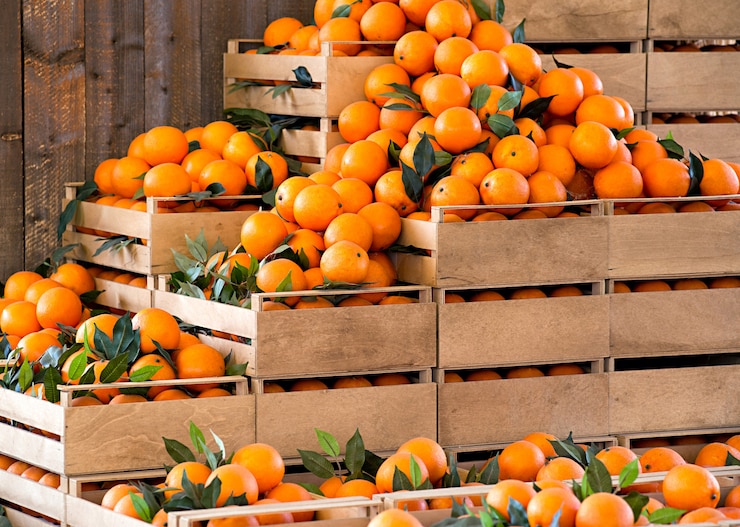
South Africa’s citrus industry has reached an important milestone after the Government of India officially approved in-transit cold treatment for citrus fruit originating from South Africa. The development follows years of technical discussions, negotiations and trial shipments between the two countries aimed at establishing a treatment process that protects India from harmful fruit flies while supporting efficient citrus trade. The Department of Agriculture (DoA) welcomed the new requirements after India’s Ministry of Agriculture and Farmers’ Welfare amended the Plant Quarantine (Regulation of Import into India) Order, 2003. The amendment was published in the official Government Gazette No. 4232(E) and took effect on 29 July 2026. The decision provides greater certainty for South African citrus exporters and creates new opportunities to expand shipments into one of the world’s largest consumer markets.
India has required specific phytosanitary measures for South African citrus imports since 2016 to reduce the risk posed by fruit flies, including the Mediterranean fruit fly (Ceratitis capitata) and Natal fruit fly (Ceratitis rosa). Before the latest change, approved cold treatment options included methyl bromide or land-based cold treatment before the citrus was made available for import. These requirements were designed to ensure that imported fruit met India’s plant health standards and did not introduce pests that could threaten local agriculture. While these measures served an important biosecurity purpose, the introduction of in-transit cold treatment provides a more flexible approach for exporters. Citrus can now undergo the required treatment while being transported to India, subject to compliance with the conditions set out in the amended import requirements.
The road to this approval began in 2017 when the Government of South Africa, through the Department of Agriculture, started bilateral engagements with the Government of India over the proposed use of in-transit cold treatment for citrus exports. The negotiations required extensive technical cooperation between the two countries and involved the exchange of information relating to plant health, treatment protocols and export procedures. Several trial shipments of South African citrus were also undertaken to assess whether the proposed treatment could meet the standards required by Indian authorities. These trials provided an opportunity for the two governments and relevant industry stakeholders to evaluate the effectiveness of the treatment under commercial shipping conditions. The lengthy process ultimately resulted in the formal approval of in-transit cold treatment as part of India’s phytosanitary requirements for South African citrus.
The approval was formally gazetted after the Government of India issued its World Trade Organization Sanitary and Phytosanitary Measures notification on 13 May 2026 concerning the introduction of in-transit cold treatment for citrus from South Africa. The latest amendments apply specifically to fresh citrus fruit intended for consumption and cover products such as lemons, limes, oranges, grapefruits and mandarins, as well as other Rutaceous fruits originating from South Africa. This means that citrus consignments exported from South Africa to India must comply with the in-transit cold treatment requirements contained in the gazetted import conditions. Exporters will therefore need to ensure that their consignments meet the prescribed treatment and phytosanitary standards throughout the export process. The finalisation of the requirements removes uncertainty around the treatment protocol and gives businesses clearer guidance when planning shipments to India.
For South African citrus exporters, the ability to complete cold treatment while fruit is in transit could offer practical benefits across the supply chain. Treatment during the journey can help reduce the need for additional handling and waiting periods at the point of departure, provided all prescribed conditions are met. It can also support more efficient movement of fruit and help consignments reach Indian destinations within appropriate marketing windows while maintaining quality. Timing is particularly important for fresh produce because citrus must travel through a complex export chain while preserving freshness and meeting strict food and plant health requirements. The new arrangement therefore has the potential to improve logistical efficiency while maintaining the safeguards required by Indian authorities.
The development also strengthens South Africa’s access to the Indian market at a time when international market diversification remains an important priority for the agricultural sector. India’s large population represents a substantial consumer base for fresh produce, while South Africa has the capacity to supply citrus during periods that can complement local production in India. This counter-seasonal advantage gives South African exporters an opportunity to respond to demand when domestic supply conditions differ. Greater access to India can also help exporters reduce reliance on a limited number of destination markets and build stronger international trade networks. Increased export volumes can have wider economic benefits for growers, packhouses, logistics companies, ports and other businesses connected to the citrus value chain.
Agriculture Minister Willie Aucamp welcomed the approval, describing it as a significant achievement for South African agriculture and highlighting the role of technology in expanding opportunities for farmers. He noted that India, with a population of approximately 1.47 billion people, represents a major growth opportunity for South Africa’s citrus industry. Aucamp also pointed to the counter-seasonal nature of South African citrus production, which allows the country to complement India’s domestic supply while responding to demand for quality citrus products. His comments underline the broader commercial importance of the agreement beyond the technical approval of a particular treatment method. The development demonstrates how scientific processes, international cooperation and trade negotiations can work together to open new opportunities for agricultural producers.
The Department of Agriculture also expressed its appreciation to the government officials, technical experts, citrus industry representatives and other stakeholders who contributed to the negotiations and successful approval. The process required sustained engagement between South African and Indian authorities and depended on cooperation across government and industry. The completion of the process represents an important achievement for the South African citrus sector because it provides exporters with a formally recognised pathway for meeting India’s phytosanitary requirements. It also shows the value of sustained technical engagement when countries negotiate access for agricultural products. The successful outcome could provide a useful foundation for future discussions on other plant products and international markets.
The impact of the approval could extend beyond individual citrus exporters because the citrus industry supports a broad network of agricultural and related economic activities. Higher export volumes can increase demand for production, packing, transport, cold-chain services, port operations and other logistical functions. Greater market access can also encourage investment in orchards, infrastructure and technologies that improve productivity and fruit quality. These activities have the potential to contribute to employment across rural communities and throughout the agricultural supply chain. As South Africa seeks to expand agricultural exports and create more opportunities in international markets, improved access for citrus to India represents a development with potential economic significance.
The Department of Agriculture has indicated that its work on international market access will continue as it negotiates new regulations and phytosanitary requirements with importing countries. These negotiations form an important part of ensuring that South African plants and plant products can access international markets while meeting the biosecurity requirements of trading partners. International agricultural trade depends on countries balancing commercial interests with measures designed to prevent the spread of pests and diseases. South Africa’s continued engagement with trading partners can therefore help create predictable conditions for exporters while supporting safe and fair trade. The approval of in-transit cold treatment for citrus exports to India provides a clear example of how sustained cooperation can help resolve complex technical barriers to agricultural trade.
The new citrus export requirements also highlight the importance of technology in modern agricultural supply chains. Cold treatment requires careful management of temperature and treatment conditions to ensure that the prescribed phytosanitary standards are achieved without compromising the quality of the fruit. Applying the treatment during transit can integrate pest-control measures into the shipping process and reduce delays associated with completing treatment before departure. However, exporters must continue to comply fully with India’s gazetted requirements because failure to meet the prescribed conditions could affect the acceptance of consignments. The approval therefore creates an opportunity for greater efficiency while also reinforcing the need for accurate monitoring, documentation and compliance throughout the export process.
The approval of in-transit cold treatment marks a significant step forward for South African citrus exports to India after almost a decade of engagement between the two governments. Since the initial bilateral discussions began in 2017, South African authorities and industry stakeholders have worked through technical requirements, information exchanges and trial shipments to demonstrate that the proposed treatment could provide the necessary plant health safeguards. The formal gazetting of the new requirements on 29 July 2026 now gives exporters greater regulatory certainty and a recognised pathway for shipping citrus to India under the in-transit treatment system. For the citrus industry, the development could support market diversification, export growth, improved logistics and job creation. As South Africa continues strengthening agricultural trade relationships around the world, the India citrus agreement stands as an important example of how technical cooperation and sustained negotiations can create practical opportunities for farmers and exporters.
Join 'Farmers Mag' WhatsApp Channel
Get the latest Farming news and tips delivered straight to your WhatsApp
CLICK HERE TO JOIN