

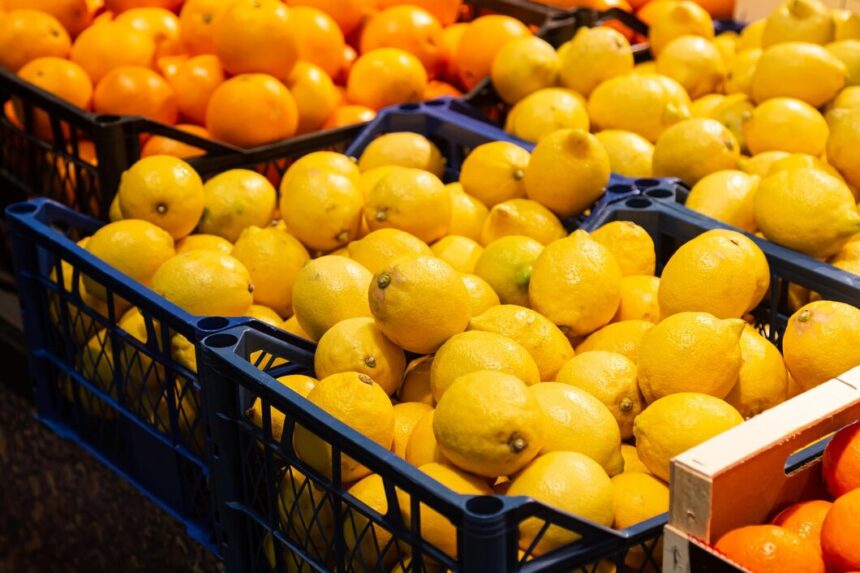
South African citrus exporters are set to benefit from improved access to the Indian market following the approval of additional treatment options for fresh citrus fruit after nearly a decade of negotiations. The development is expected to give exporters greater logistical flexibility while supporting the quality of citrus reaching Indian consumers. The Citrus Growers’ Association of Southern Africa and the Department of Agriculture announced that India has approved additional cold treatment options for fruit fly management. This gives South African citrus producers more options when preparing fresh fruit for export and could strengthen the competitiveness of the industry over time. With India’s large population, expanding economy and growing consumer market, the development could open an important avenue for future growth in South African citrus exports.
South Africa already exports citrus to India under several fruit fly treatment protocols, making the latest approval an expansion of existing market access arrangements. Cold treatment is used to manage fruit fly risks by exposing fresh produce to controlled temperatures for a specified period before or during shipment. The approval of additional treatment options can give exporters more flexibility when planning shipments and managing different citrus products. Greater logistical flexibility can also help exporters respond to market conditions while maintaining the required phytosanitary standards. For citrus growers, reliable treatment options are important because successful international trade depends on meeting the plant health requirements of importing countries.
Agriculture Minister Willie Aucamp welcomed the development and highlighted the role of technology and technical cooperation in expanding opportunities for South African farmers. The approval demonstrates how scientific research and advanced treatment technologies can help producers overcome technical barriers to international markets. South African citrus growers operate in a highly competitive global industry where access to overseas consumers depends on meeting strict food safety and phytosanitary requirements. Technical engagement between exporting and importing countries is therefore an important part of developing sustainable trade relationships. The latest agreement shows how cooperation between government, researchers and industry can help create opportunities for agricultural producers.
India represents a potentially significant growth market for South African citrus because of its population of approximately 1.47 billion people and its position as one of the world’s largest and fastest-growing economies. A large consumer population creates substantial potential demand for fresh produce, particularly as household incomes and consumer preferences change. India is also one of the world’s major citrus-producing countries, meaning consumers already understand and consume citrus products. This established familiarity could make it easier for South African exporters to develop demand for varieties suited to the Indian market. Expanding exports to India could therefore contribute to greater market diversification for South African citrus growers.
Despite the size of the Indian economy and its citrus consumption, South Africa currently accounts for a relatively small share of citrus exports into the country. This means there is considerable room for growth if exporters can overcome remaining technical and commercial barriers. Market diversification is important for the South African citrus industry because relying heavily on a limited number of export destinations can expose growers to changes in market conditions, trade restrictions and logistical disruptions. Developing additional markets can spread risk and create more opportunities for producers to sell their fruit. India could become an increasingly important destination as South African exporters build relationships with importers and consumers.
South Africa’s counter-seasonal citrus production provides another potential advantage in the Indian market. South African growers can supply citrus during periods when domestic production and availability may differ from their own production calendar. This complementary supply can provide Indian consumers and buyers with additional sourcing options throughout the year. The opportunity becomes more significant as India’s middle class expands and consumer interest in fresh and healthy foods increases. Demand for mandarin-type citrus is also creating opportunities for exporters with suitable varieties and reliable supply. South African growers can potentially use their production calendar and fruit quality to strengthen their position in this market.
The approval of additional cold treatment options was welcomed by the Citrus Growers’ Association of Southern Africa as an important outcome of sustained technical engagement. CGA Chief Executive Officer Dr Boitshoko Ntshabele commended the Department of Agriculture and Citrus Research International for their continued work with Indian authorities. Such technical engagement can involve detailed discussions around treatment methods, pest risk management and the requirements that must be met before fresh produce can enter a market. These processes can take considerable time because importing countries need assurance that plant health risks are adequately managed. The successful approval demonstrates the value of maintaining long-term technical cooperation between government institutions, researchers and industry bodies.
The development also highlights the importance of public-private partnerships in expanding agricultural exports. Government departments can negotiate market access conditions and engage with foreign authorities, while industry organisations and research institutions can provide technical expertise and information about production and treatment systems. Citrus Research International plays an important role in supporting research and technical work relevant to the industry. Growers and exporters, meanwhile, provide practical knowledge about production, packaging, treatment and logistics. When these different capabilities are combined, South Africa is better positioned to address complex market access requirements.
While the new treatment options represent progress, the citrus industry says attention must now turn to the commercial conditions governing access to India. Technical market access alone does not guarantee that exports will be commercially competitive. South African citrus currently faces Most-Favoured-Nation tariffs of approximately 25% to 30% in India, according to the CGA. These tariffs can place South African exporters at a disadvantage compared with competitors from other Southern Hemisphere countries that benefit from preferential tariff arrangements. Addressing these costs will therefore be important if South Africa wants to significantly increase its share of the Indian citrus market.
The CGA has called for continued work with the Department of Trade, Industry and Competition, known as the dtic, to address tariff barriers and improve the competitiveness of South African citrus. Lower or preferential tariffs could make a significant difference to the commercial viability of exports by reducing the cost burden placed on imported fruit. This could allow South African exporters to compete more effectively with suppliers that already have preferential access to the Indian market. Improved tariff conditions could also encourage greater investment in developing the market, including stronger relationships with importers and distributors. Combining improved technical access with better commercial conditions will therefore be critical to achieving sustained export growth.
The progress around the Southern African Customs Union and India Preferential Trade Agreement process could provide an additional opportunity for the citrus industry. Preferential trade arrangements can help reduce tariff barriers and create more favourable conditions for businesses trading between participating countries. If South African citrus can benefit from improved preferential access, exporters could become more competitive while gaining greater confidence to expand their presence in India. Such developments could support long-term market diversification and create additional opportunities for citrus growers. The industry is therefore looking to maintain momentum on both phytosanitary access and trade negotiations.
For South African citrus farmers, expanding access to India could provide an opportunity to reach new consumers and reduce dependence on established export markets. However, successfully developing the market will require more than simply increasing shipment volumes. Growers and exporters will need to maintain high fruit quality, meet Indian phytosanitary requirements and understand consumer preferences within different segments of the market. Reliable logistics and competitive pricing will also be important as South African citrus competes with suppliers from other producing countries. Continued investment in research, production efficiency, post-harvest handling and market development will help determine how much of India’s potential can ultimately be captured.
The approval of additional fruit fly cold treatment options marks an important step forward for South African citrus exporters after years of technical negotiations. It provides greater flexibility for exporters while reinforcing the value of cooperation between the Department of Agriculture, Citrus Research International, the CGA and Indian authorities. India’s huge consumer market and expanding middle class provide substantial long-term potential, particularly for mandarin-type citrus and other fruit that can complement local supply. However, tariff barriers of approximately 25% to 30% remain a major commercial challenge that will need to be addressed through continued trade engagement. Combining improved phytosanitary access with more competitive tariff conditions could help South Africa expand its citrus exports to India, diversify its markets and strengthen the long-term sustainability and growth of the country’s citrus industry.
Join 'Farmers Mag' WhatsApp Channel
Get the latest Farming news and tips delivered straight to your WhatsApp
CLICK HERE TO JOIN