

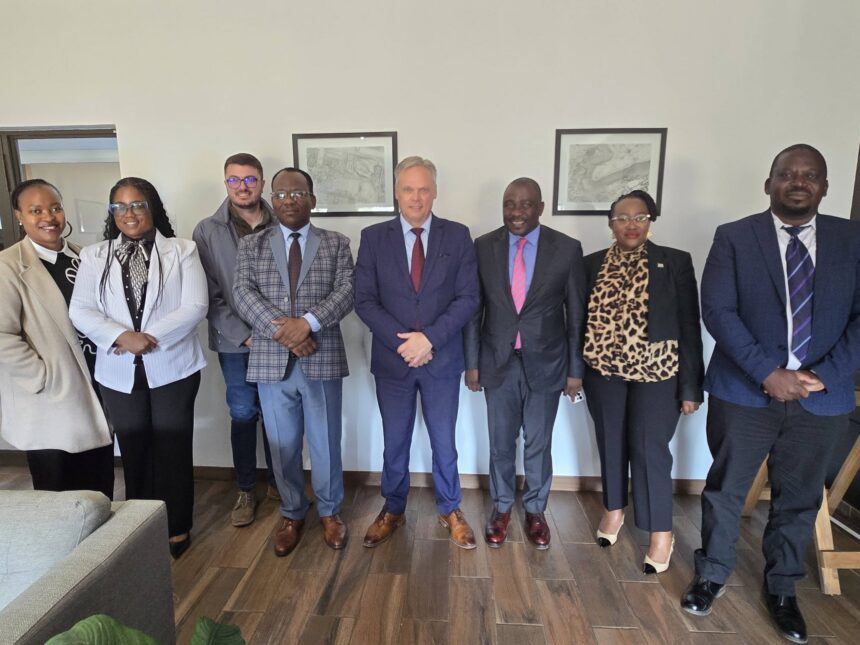
Agricultural cooperation between neighbouring countries plays an important role in protecting food security, strengthening rural economies and addressing challenges that extend beyond national borders. Animal diseases, climate change and cross-border trade all require governments to work together to develop coordinated solutions that benefit farmers and consumers alike. Yesterday in Bloemfontein, South Africa’s Minister of Agriculture, Willie Aucamp, met with Lesotho’s Minister of Agriculture, Mr Selibe Mochoboroane, to discuss matters of mutual interest relating to the agricultural sector. The meeting reaffirmed the strong relationship between the two neighbouring countries and highlighted the importance of continued collaboration on shared agricultural priorities. Among the key issues discussed was the joint commitment to combating Foot and Mouth Disease, a major concern for the livestock industries of both nations.
Minister Willie Aucamp confirmed that the discussions focused on general agricultural cooperation while exploring opportunities to strengthen collaboration between South Africa and Lesotho. Agriculture remains a vital economic sector in both countries, supporting food production, employment and rural livelihoods. Because the two nations share an extensive border and have closely connected agricultural communities, cooperation is essential for addressing common challenges. Working together allows both governments to exchange knowledge, coordinate policies and improve responses to issues affecting farmers. Strong diplomatic engagement also creates opportunities to develop practical partnerships that promote sustainable agricultural growth.
One of the most significant outcomes of the meeting was the renewed commitment by both ministers to fight Foot and Mouth Disease. This highly contagious viral disease affects cloven-hoofed animals such as cattle, sheep, goats and pigs, posing a serious threat to livestock production and agricultural trade. Although the disease generally does not pose a direct risk to human health, it can cause severe economic losses through reduced animal productivity, movement restrictions and export limitations. Controlling the spread of Foot and Mouth Disease requires coordinated surveillance, vaccination programmes and effective livestock movement management. By reaffirming their commitment to tackling the disease together, South Africa and Lesotho are strengthening regional efforts to protect the livestock sector.
Cross-border cooperation is particularly important in managing animal diseases because livestock movements and wildlife interactions do not always follow national boundaries. Effective disease control depends on neighbouring countries sharing information, coordinating veterinary services and responding quickly when outbreaks occur. Joint strategies help minimise the risk of disease transmission while improving regional preparedness for future animal health challenges. Cooperation between veterinary authorities also strengthens disease surveillance systems and supports faster decision-making during emergencies. These coordinated efforts benefit livestock producers on both sides of the border by reducing the risk of widespread outbreaks.
The meeting also reflected the broader importance of agricultural diplomacy in Southern Africa. Regional partnerships allow countries to address common concerns while promoting trade, innovation and sustainable agricultural development. Governments that maintain regular communication can work together on issues such as climate resilience, food security, animal health and research collaboration. Strong relationships between neighbouring agricultural ministries also encourage the sharing of technical expertise and successful farming practices. Such cooperation creates a stronger agricultural sector that is better equipped to respond to both current and future challenges.
Livestock farming remains an essential part of the agricultural economies of both South Africa and Lesotho. Thousands of rural households depend on cattle, sheep and goat farming as important sources of income, food and employment. Protecting animal health therefore has significant economic and social benefits that extend far beyond individual farms. Preventing the spread of diseases such as Foot and Mouth Disease helps maintain stable livestock production while preserving access to domestic and international markets. Continued investment in veterinary services, disease prevention and regional collaboration strengthens the resilience of the livestock industry.
Beyond disease control, agricultural cooperation creates opportunities for broader economic development. Collaborative initiatives can support improved agricultural research, farmer training, technology transfer and infrastructure development. By sharing knowledge and resources, neighbouring countries can improve agricultural productivity while promoting innovation across the sector. Joint efforts also contribute to stronger food systems that are capable of meeting growing demand despite climate and economic pressures. These partnerships ultimately support rural communities by creating more sustainable farming opportunities and encouraging long-term investment in agriculture.
Minister Willie Aucamp’s meeting with Lesotho’s Minister of Agriculture, Mr Selibe Mochoboroane, demonstrates the value of continued regional cooperation in addressing shared agricultural priorities. Their discussions on general agricultural collaboration and the renewed commitment to fighting Foot and Mouth Disease highlight the importance of working together to protect livestock, strengthen food security and support rural economies. As neighbouring countries continue to face evolving agricultural challenges, partnerships built on trust, shared goals and coordinated action will become increasingly important. Effective cooperation between South Africa and Lesotho has the potential to improve disease management, strengthen agricultural development and create lasting benefits for farmers in both nations. By maintaining close collaboration and investing in practical solutions, the two countries are helping build a stronger, more resilient agricultural sector that can support sustainable growth for years to come.
Join 'Farmers Mag' WhatsApp Channel
Get the latest Farming news and tips delivered straight to your WhatsApp
CLICK HERE TO JOIN




