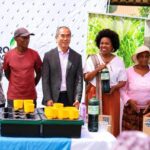
Cannabis and hemp producers from across the Sekhukhune District have taken an important step towards building a stronger and more coordinated hemp industry by establishing the Sekhukhune District Hemp and Cannabis Forum. The new forum was formed at the Vleischboom Farmer Support Production Unit (FSPU), bringing together growers and other stakeholders with an interest in developing the emerging sector. Its establishment comes as government continues to position low-THC hemp as a potential driver of rural economic development, agricultural diversification and job creation. The forum is expected to give producers a platform to work together on common challenges while identifying opportunities across the hemp and cannabis value chain. Its formation also reflects growing interest among farmers in participating in a formal industry that can create new agricultural and commercial opportunities.
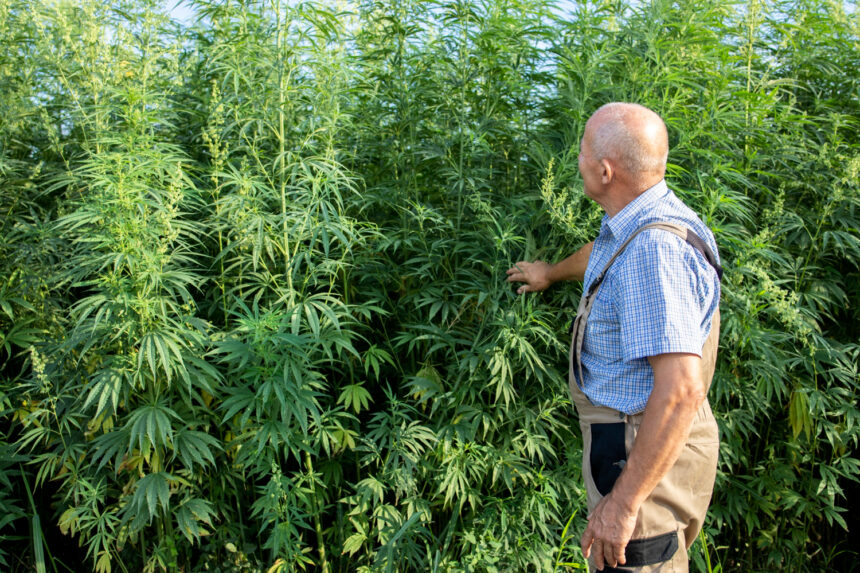
The development of the hemp sector follows government’s decision to recognise low-tetrahydrocannabinol (THC) hemp as an agricultural crop during the 2021/22 financial year. President Cyril Ramaphosa has subsequently highlighted the economic potential of the industry in his State of the Nation Addresses, including its potential to create more than 130,000 jobs. This focus has placed hemp among the agricultural sectors being considered for expanded rural economic activity and enterprise development. The industry has attracted interest from farmers looking for alternative crops and new sources of income. However, unlocking its full potential requires producers to understand the regulatory environment, establish viable markets and develop the infrastructure needed to support production and processing.
The reclassification of low-THC Cannabis sativa under agricultural legislation has created opportunities for farmers to enter the formal agricultural economy. Producers who meet the applicable requirements can obtain cultivation permits and participate in regulated commercial production. Formal recognition provides a framework within which farmers can develop businesses, engage with other value-chain participants and explore opportunities for investment and market development. It also creates a greater need for producers to understand licensing requirements, compliance obligations and the distinction between regulated low-THC hemp production and other forms of cannabis cultivation. The establishment of the Sekhukhune District Hemp and Cannabis Forum can help farmers navigate these issues by creating a collective platform for information sharing and engagement.
The new forum is expected to bring together growers, processors, farmers and industry stakeholders to strengthen cooperation across the hemp value chain. Collaboration can help producers address challenges that are difficult to resolve individually, particularly in an emerging industry where infrastructure, markets and technical expertise are still developing. The forum will provide opportunities for members to discuss hemp production, market access, logistics and value-chain development. These areas are important because successful agriculture depends on more than producing a crop. Farmers also need reliable buyers, efficient transport, suitable processing facilities and business networks that can help turn agricultural production into sustainable income.
Market access is likely to remain a major focus for the forum as producers seek to develop commercially sustainable hemp enterprises. Farmers need clear information about potential buyers, product specifications, quality standards and opportunities within domestic and international value chains. Processing can also increase the economic value of hemp by creating products that go beyond the raw agricultural commodity. Depending on applicable regulations and market requirements, hemp can support activities across areas such as fibre, seed and other agricultural or industrial applications. Developing these value chains could create additional opportunities for farmers, processors, transport businesses and other service providers in rural areas.
Logistics will also be important as the industry expands in Sekhukhune and other parts of Limpopo. Farmers require efficient systems for moving agricultural inputs to production areas and transporting harvested products to processors or markets. Rural producers can face additional logistical challenges when infrastructure is limited or when processing facilities are located far from farms. Coordinated planning between farmers, industry stakeholders and government can help identify infrastructure and transport requirements as the sector develops. A stronger local value chain could reduce some of the challenges associated with moving products over long distances while creating additional economic opportunities within farming communities.
The forum will also address regulatory matters that continue to affect producers entering the hemp sector. Licensing and permits are important because farmers need to understand the legal requirements before establishing production operations. Uncertainty around policy implementation can discourage investment and make it difficult for producers to plan their businesses with confidence. A collective forum can provide a space where farmers raise regulatory concerns and engage with officials and industry experts. Improved communication can help producers understand the processes they must follow while allowing government stakeholders to identify recurring challenges affecting implementation.
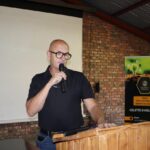
The establishment meeting was led by Dr Rudzani Mathobo, Scientific Manager at the Limpopo Department of Agriculture and Rural Development. Dr Mathobo is spearheading the province’s hemp and cannabis programme and has been involved in efforts to support the development of the sector. Her involvement in the formation of the district forum demonstrates the importance of technical and institutional support as farmers enter an emerging agricultural industry. Scientific knowledge will be important for improving production practices, understanding crop requirements and supporting responsible development of the sector. Government expertise can also help connect farmers with relevant programmes and stakeholders as the industry develops.
Dr Mathobo encouraged farmers to embrace collaboration as the hemp and cannabis industry continues to expand. Cooperation among producers can help farmers share experiences, identify common challenges and pursue opportunities that may be difficult for individual growers to access. Collaboration can also strengthen the collective voice of farmers when engaging with government institutions, industry bodies and potential investors. For an emerging sector, networks are particularly important because producers need access to knowledge, technical advice and commercial relationships. The forum therefore has the potential to become an important structure for coordinating the interests of hemp and cannabis producers across Sekhukhune.
The focus on hemp development also creates opportunities for rural youth and entrepreneurs to participate in agricultural value chains beyond primary production. Job creation can occur not only on farms but also through processing, logistics, marketing, equipment supply and other support services. If the sector develops sustainably, these activities could contribute to broader rural economic growth and provide new opportunities for communities that rely heavily on agriculture. The President’s projection of more than 130,000 potential jobs has added national attention to the sector’s economic possibilities. Turning that potential into actual employment will depend on effective regulation, investment, market development and the ability of farmers to establish commercially viable enterprises.
The formation of the Sekhukhune District Hemp and Cannabis Forum represents an important organisational development for farmers seeking to participate in the emerging hemp industry. By bringing producers and other stakeholders together, the forum can help create stronger links across production, processing, logistics and markets. It can also provide a platform for addressing licensing, permits, policy implementation and access to industry expertise. The success of the initiative will depend on continued cooperation between farmers, government, industry specialists and other value-chain participants. With structured collaboration and practical support, the forum can contribute to the development of a more coordinated hemp industry in Sekhukhune.
The establishment of the forum also signals growing confidence among local farmers in the potential of hemp as an agricultural and economic opportunity. The sector still faces regulatory, infrastructure, market and technical challenges, but organised farmer participation can help address these issues more effectively. Continued engagement with government will be important as producers seek clarity on regulations and support for commercial development. At the same time, farmers will need to maintain compliance with applicable requirements and develop production models that can respond to real market demand. The formation of the Sekhukhune District Hemp and Cannabis Forum provides a foundation for that work and could play an important role in turning the region’s interest in hemp into sustainable agricultural businesses and rural economic opportunities.
Join 'Farmers Mag' WhatsApp Channel
Get the latest Farming news and tips delivered straight to your WhatsApp
CLICK HERE TO JOIN