

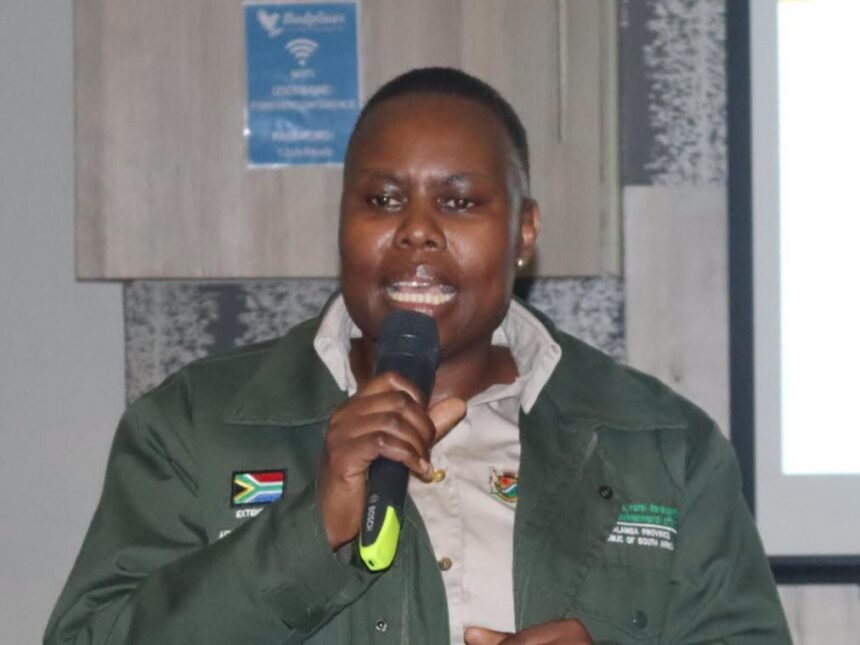
Farmers in eManzana, under Chief Albert Luthuli Municipality in Mpumalanga, have gained valuable knowledge on food safety, compliance and market access through a South African Good Agricultural Practices (SA GAP) workshop hosted by the Department of Agriculture, Rural Development, Land and Environmental Affairs (DARDLEA) in partnership with the Perishable Products Export Control Board (PPECB). The successful workshop focused on helping local producers understand the standards and practices required to produce safe, quality agricultural products while strengthening their ability to access formal markets. For small and emerging farmers, meeting recognised agricultural standards can create opportunities to supply mainstream retailers and participate in wider agricultural value chains. The engagement also highlighted the importance of responsible production practices that protect consumers, farmworkers and natural resources. With the Gert Sibande District already having 22 farmers who are SA GAP certified, the workshop provides an opportunity to encourage more producers to pursue certification and strengthen the district’s agricultural competitiveness.
SA GAP is a voluntary standard designed to promote safe and responsible agricultural production while ensuring that farm products meet appropriate quality and safety requirements. The standard covers important areas of farming operations, including food safety, traceability, chemical use, worker safety and environmental management. Following these practices can help farmers identify risks on their farms and put systems in place to prevent problems before products reach consumers. Certification can also demonstrate to buyers that a producer has implemented recognised procedures for managing production and food safety. For farmers seeking to move from informal or local markets into structured commercial supply chains, understanding standards such as SA GAP can therefore become an important step towards building a more market-ready agricultural business.
Market access and economic value were among the key issues discussed during the workshop because producing quality food is only one part of building a successful farming enterprise. Farmers also need access to buyers who can provide reliable markets and sustainable returns for their products. Mainstream retailers and other formal buyers often have specific requirements relating to food safety, production practices, traceability and quality assurance. Understanding these requirements can help farmers prepare their operations before approaching potential buyers. Compliance with recognised standards can also strengthen confidence among buyers and create opportunities for farmers to participate in domestic and international agricultural trade networks.
Food safety and consumer protection formed another important part of the discussions. Farmers have a direct responsibility to ensure that the food they produce does not pose unnecessary risks to consumers. This requires careful management of production activities from planting and cultivation through harvesting, handling, storage and distribution. Producers need to understand potential contamination risks and establish procedures that help maintain product safety throughout the farming process. Good agricultural practices can help farmers manage these risks while improving the consistency and quality of the products they deliver to the market. Strong food safety systems benefit both consumers and farmers by protecting public health and strengthening confidence in locally produced agricultural products.
End-to-end traceability was also highlighted as an important requirement for farmers who want to participate in formal markets. Traceability allows agricultural products to be linked back through the production and handling process, making it easier to identify where products came from and how they were managed. Comprehensive records can provide evidence of production practices and help farmers respond quickly if a quality or food safety concern arises. Good record-keeping should cover relevant activities such as planting, chemical applications, harvesting and product movement. Although maintaining these records requires discipline and organisation, it can help farmers improve their own management systems while demonstrating compliance to buyers and auditors.
Safe chemical use is another critical component of responsible agricultural production. Farmers who use agricultural chemicals need to understand which products are registered for their intended purpose and follow the instructions relating to application, dosage, storage and handling. Incorrect use of chemicals can create risks for consumers, farmworkers, crops, soil, water resources and surrounding ecosystems. The workshop therefore emphasised the importance of using registered agricultural chemicals correctly and maintaining appropriate records of applications. Farmers should also ensure that workers handling chemicals have access to suitable personal protective equipment and receive adequate safety training. Responsible chemical management can help protect people and the environment while supporting the production of safe and marketable agricultural products.
Farmworker safety and fair labour practices were also included in the workshop discussions, recognising that sustainable agriculture depends on protecting the people who work on farms. Workers may be exposed to machinery, chemicals, heat and other occupational hazards during their daily activities. Farmers therefore need appropriate safety procedures, training and protective equipment to reduce workplace risks. Fair labour practices are equally important because agricultural businesses depend on workers who are treated with dignity and provided with appropriate working conditions. Incorporating worker welfare into farm management can strengthen the overall sustainability of an agricultural enterprise and contribute to a healthier and more productive workplace.
Environmental management was another major focus, particularly the need to protect soil, water resources and biodiversity. Healthy soil supports crop productivity, while clean and responsibly managed water resources are essential for agricultural production and surrounding communities. Farming practices that degrade soil or pollute water can create long-term problems that affect both agricultural productivity and the wider environment. Farmers can reduce these risks by adopting responsible soil management practices, protecting water sources and taking steps to conserve biodiversity on and around their farms. Environmental responsibility is therefore not separate from farm productivity, but forms part of maintaining the natural resources that farmers depend on for future production.
The workshop also reinforced the importance of transparency and quality assurance in building a competitive agricultural business. Farmers who maintain accurate records and follow consistent production procedures are better positioned to demonstrate how their products were produced. This can make it easier to identify weaknesses within the farming operation and take corrective action when necessary. Quality assurance can also help producers maintain consistent standards as they increase production or enter new markets. For emerging farmers, developing these systems early can provide a strong foundation for future growth and reduce the challenges associated with meeting buyer requirements later.
The involvement of PPECB in the workshop added valuable expertise to the discussions around agricultural standards, compliance and market requirements. Collaboration between agricultural authorities, regulatory organisations and farmers can help ensure that producers receive practical information about what is expected when they seek access to formal markets. Training and awareness initiatives can also help close the information gap that may prevent some small-scale producers from pursuing certification. By engaging directly with farmers in areas such as eManzana, these programmes can bring important technical knowledge closer to agricultural communities. This can help producers understand not only what the standards require but also why those requirements matter for their businesses and consumers.
The 22 SA GAP-certified farmers in the Gert Sibande District provide an encouraging foundation for expanding the adoption of good agricultural practices in the region. Their certification demonstrates that farmers in the district can meet recognised requirements when they have the appropriate knowledge, systems and support. Other producers can learn from these experiences and assess how similar practices could be introduced into their own farming operations. Expanding certification could help more farmers improve their production systems and position themselves for opportunities within formal agricultural value chains. It could also contribute to the district’s reputation as an area where producers are committed to quality, food safety and responsible agricultural production.
The SA GAP workshop in eManzana ultimately highlighted how compliance, food safety and sustainable farming practices can contribute to stronger agricultural businesses and improved market opportunities. For local producers, understanding requirements around traceability, chemical use, worker safety, environmental management and record-keeping can help them build farms that are better prepared for formal markets. Certification remains voluntary, but the practices promoted through SA GAP can provide valuable tools for improving farm management and consumer confidence. Continued collaboration between DARDLEA, PPECB and farmers can help more producers understand these opportunities and work towards meeting recognised standards. As more farmers adopt good agricultural practices and pursue certification, the Gert Sibande District can strengthen its agricultural value chains, improve market access and support a more sustainable farming sector that benefits producers, workers, consumers and the environment.
Join 'Farmers Mag' WhatsApp Channel
Get the latest Farming news and tips delivered straight to your WhatsApp
CLICK HERE TO JOIN




