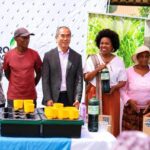
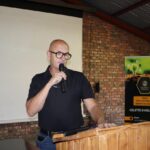
South Africa’s efforts to protect crops, strengthen food security and support agricultural trade received renewed attention as the Plant Health Regulatory Consultation Workshop concluded in Rustenburg, in the Bojanala Platinum District Municipality of the North West Province. Led by the National Department of Agriculture, the workshop brought together key players from across the agricultural sector to discuss the implementation of the country’s plant health regulatory framework. The engagement formed part of ongoing consultations on the Plant Health Regulations under the Plant Health Act, 2024 (Act No. 35 of 2024). Government officials, scientists, extension officers, agricultural advisors and industry representatives took part in discussions aimed at strengthening understanding of the regulations and their practical application. The workshop highlighted the importance of coordinated action to prevent plant pests from threatening agricultural production and the livelihoods that depend on it.
Plant health plays a central role in maintaining a productive and resilient agricultural sector because harmful pests and diseases can cause serious losses for farmers and the wider economy. Infected crops can experience reduced yields, lower quality and increased production costs, while serious pest outbreaks can affect entire farming regions. Preventing the introduction and spread of harmful organisms is therefore an important part of protecting South Africa’s agricultural resources. Effective plant health measures also help farmers maintain productive operations and protect the quality of agricultural products entering local and international markets. The discussions in Rustenburg provided an opportunity to consider how the regulatory framework can support these objectives while remaining practical for farmers and other stakeholders.
The workshop forms part of broader stakeholder engagement around the Plant Health Regulations linked to the Plant Health Act, 2024. These regulations are important because they provide a framework for managing risks associated with plant pests and diseases and establishing appropriate measures to protect plant resources. Effective regulations require a clear understanding among the people responsible for implementing them as well as those whose agricultural activities are affected by them. Bringing different stakeholders together allows technical experts and industry participants to discuss regulatory requirements and identify areas where further clarity may be needed. This type of consultation can help ensure that the final regulatory approach is informed by scientific knowledge as well as practical experience from the agricultural sector.
Three major areas were central to the discussions at the Rustenburg workshop, namely control measures, import regulations and export regulations. Control measures are particularly important for limiting the movement and spread of harmful plant pests once a threat has been identified. These measures can involve actions designed to contain, manage or eliminate risks that could affect crops, plant products and agricultural production areas. Import regulations are equally important because plant material and agricultural products entering South Africa can provide pathways for pests that do not currently occur in the country. Strong export regulations also help ensure that South African agricultural products meet plant health requirements in destination markets, which supports continued access to international trade opportunities.
Import controls have particular significance for South Africa because agricultural products and plant material move across borders for trade, production and other purposes. Without appropriate safeguards, pests and diseases can enter through pathways associated with plants, seeds, fruit, vegetables and other regulated materials. Once established, some pests can be difficult and costly to control, creating risks for farmers and threatening important agricultural industries. Import regulations therefore help reduce these risks by establishing requirements that must be met before certain plant products enter the country. Effective implementation depends on cooperation between regulatory authorities, importers, industry participants and other stakeholders involved in the movement of agricultural goods.
Export regulations are also important because plant health requirements can influence whether South African agricultural products can enter overseas markets. International trading partners often have specific requirements designed to prevent pests and diseases from being introduced into their own agricultural systems. Meeting these requirements can help South African producers and exporters maintain market access and protect the reputation of the country’s agricultural products. Compliance also requires clear communication between regulators and industry so that exporters understand the conditions that apply to different markets. Strengthening the plant health regulatory system can therefore support both domestic agricultural protection and the long-term competitiveness of South African producers in international markets.
The consultation also created an opportunity for stakeholders to share experiences and raise practical challenges linked to plant health regulation. Regulations may be technically sound, but their effectiveness depends on whether farmers, businesses and officials can understand and apply them consistently. Stakeholder feedback can help identify areas where implementation may create difficulties or where additional guidance, training or communication could be useful. Scientists and technical specialists can contribute research-based knowledge, while extension officers and agricultural advisors can provide insight into challenges encountered by farmers in the field. Combining these perspectives can help create a plant health system that responds more effectively to the realities of agricultural production.
The involvement of extension officers and agricultural advisors is particularly valuable because they often work directly with farmers and agricultural communities. They can help communicate regulatory requirements and explain why certain plant health measures are necessary. They can also help identify pest and disease concerns in farming areas and encourage producers to report potential threats through appropriate channels. Early identification and response can make a significant difference when dealing with plant health risks because delays can allow pests to spread to additional farms and production areas. Strengthening the connection between regulators, extension services and farmers can therefore improve the country’s ability to detect and manage emerging threats.
The North West Province provides an important setting for discussions about plant health because agriculture contributes significantly to livelihoods and economic activity across the province. Farmers depend on healthy crops and livestock feed production to maintain their businesses and support local economies. Plant pests and diseases can place this activity under pressure by reducing production and increasing the costs associated with prevention and control. Strong regulatory measures, combined with effective farmer education and technical support, can help reduce these risks. Protecting agricultural resources in the North West is therefore closely connected to maintaining food production, supporting rural livelihoods and creating opportunities for sustainable economic growth.
Plant health protection also has a direct connection to food security because healthy crops are essential for maintaining reliable agricultural production. Pest outbreaks can reduce the amount of food available while also affecting prices, farm incomes and the stability of agricultural supply chains. Preventing the introduction and spread of harmful pests can help reduce the likelihood of severe production losses and protect the country’s capacity to produce food. This requires more than regulations alone, as farmers and industry participants must understand their responsibilities and have access to the information needed to comply with plant health requirements. Continued consultation and cooperation can help strengthen this shared approach to protecting food production.
The workshop also demonstrated the value of bringing government and industry together when developing and implementing agricultural regulations. Plant health threats can move across farms, provinces and international borders, making cooperation essential for effective prevention and control. A coordinated system allows stakeholders to share information, respond to risks and develop consistent approaches to managing pests and diseases. Continued engagement can also help ensure that regulations remain responsive to changes in agricultural production, trade patterns and emerging plant health threats. The input gathered during consultations such as the Rustenburg workshop can therefore contribute to a more practical and effective regulatory framework.
The successful conclusion of the Plant Health Regulatory Consultation Workshop in Rustenburg represents another step in strengthening South Africa’s approach to protecting plant resources and agricultural production. The discussions on control measures, import regulations and export regulations highlighted the need for strong cooperation between government, scientists, agricultural professionals and industry. For farmers, effective plant health regulation can help protect crops, reduce production risks and support access to important markets. For the wider agricultural sector, it can contribute to sustainable production, food security and economic growth. Continued stakeholder engagement and effective implementation of the Plant Health Regulations will be essential to ensuring that South Africa has a responsive plant health system capable of protecting agriculture today while preparing the sector for future challenges.
Join 'Farmers Mag' WhatsApp Channel
Get the latest Farming news and tips delivered straight to your WhatsApp
CLICK HERE TO JOIN