

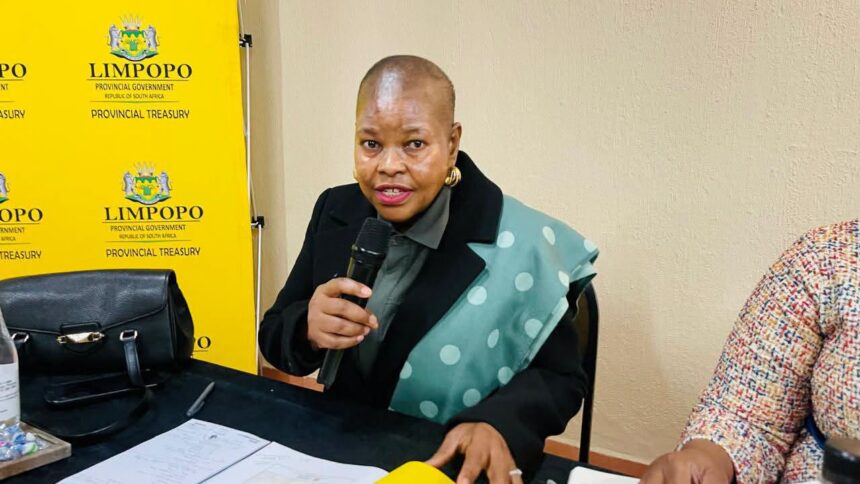
The MEC for Agriculture and Rural Development, Ms Nakedi Kekana, is currently attending the Limpopo Provincial Treasury Monitoring Bilateral Meeting in Polokwane, where government officials are focusing on financial oversight and the effective use of public resources. The strategic engagement at Bolivia Lodge brings together key stakeholders to assess financial monitoring, resource allocation and the implementation of government priorities within the agricultural sector. These discussions are important because agricultural development depends not only on production and farming support but also on effective financial planning and responsible management of public funds. Strong coordination between the Department of Agriculture and Rural Development and Provincial Treasury can help ensure that allocated resources reach programmes and communities where they can have the greatest impact. The meeting therefore represents an important step towards strengthening accountability while supporting sustainable agricultural development across Limpopo.
Financial monitoring plays a central role in ensuring that government departments deliver on their mandates while making responsible use of public funds. For the agriculture and rural development sector, this involves tracking how budgets are allocated, spent and linked to programmes designed to support farmers and rural communities. Effective oversight can help identify implementation challenges early and allow departments to address issues that could delay projects or reduce their impact. It can also provide decision-makers with a clearer understanding of whether available resources are being directed towards priority areas. Through engagements such as the Limpopo Provincial Treasury Monitoring Bilateral Meeting, government institutions can strengthen coordination and improve the connection between financial management and service delivery.
Agriculture remains an important part of Limpopo’s economic and rural development landscape, supporting farmers, agricultural businesses, workers and communities across the province. The sector includes a wide range of activities, from crop production and livestock farming to agro-processing and other agricultural value chain activities. These activities require consistent investment in infrastructure, farmer support, extension services, market access and skills development. Effective resource allocation is therefore essential to ensuring that agricultural programmes have the capacity to respond to the needs of producers and rural communities. Strategic financial discussions can help government assess priorities and ensure that agricultural development plans are supported by realistic and well-managed budgets.
The meeting also highlights the importance of aligning financial resources with measurable development outcomes. Budget allocations should support programmes that address identified challenges while contributing to broader provincial priorities. In agriculture, this could include strengthening farmer support, improving productive infrastructure, supporting emerging producers and creating opportunities for participation in agricultural value chains. Monitoring expenditure alongside programme performance can help government determine whether resources are producing the intended results. This approach can strengthen public confidence and ensure that agricultural development remains focused on practical outcomes that benefit communities.
For rural communities, effective financial management can have a direct influence on the delivery of services and development initiatives. Agricultural programmes can create opportunities for households and businesses when they provide the right combination of resources, technical assistance and access to markets. However, delays in implementation or inefficient use of funds can limit the benefits of these programmes. Regular monitoring and engagement between government departments can help reduce such risks by improving accountability and identifying areas that require intervention. The bilateral meeting provides an opportunity to address these issues through direct engagement between agricultural leadership and provincial financial authorities.
MEC Nakedi Kekana’s participation in the engagement reflects the importance of strong political and administrative leadership in advancing agricultural priorities. Agriculture and rural development programmes often involve multiple stakeholders and require coordination across different areas of government. Provincial Treasury plays an important role in ensuring that departments operate within sound financial management frameworks, while the agriculture department is responsible for implementing programmes that support the sector. Bilateral engagements can bring these responsibilities together and create space for officials to discuss challenges, priorities and resource requirements. This coordination can contribute to more efficient implementation and better alignment between financial planning and agricultural development objectives.
The focus on resource allocation is particularly relevant as Limpopo seeks to strengthen the sustainability and competitiveness of its agricultural sector. Farmers need access to infrastructure, inputs, knowledge, technology and markets to improve productivity and build viable enterprises. Government programmes can help address some of these requirements, but their effectiveness depends on proper planning, adequate funding and timely implementation. Monitoring can provide valuable information about whether programmes are progressing as planned and whether adjustments are needed. By examining these issues through a strategic bilateral process, government can strengthen its ability to respond to emerging agricultural and rural development needs.
The meeting at Bolivia Lodge also demonstrates the value of ongoing institutional oversight rather than relying only on periodic financial assessments. Regular engagement allows government departments to discuss challenges while they can still be addressed and to identify opportunities for improving performance. It can also strengthen communication between officials responsible for programme implementation and those responsible for financial oversight. This type of engagement can support better planning for future budgets and improve the management of resources already allocated to agricultural programmes. Over time, stronger monitoring can contribute to more consistent delivery of services and development initiatives across Limpopo.
The success of agricultural development ultimately depends on the ability to translate public resources into meaningful and sustainable outcomes. Financial monitoring provides the foundation for ensuring that budgets are managed responsibly, while strategic planning helps determine where resources are most needed. When these processes work together, government can improve its ability to support farmers, strengthen rural economies and advance agricultural development. The Limpopo Provincial Treasury Monitoring Bilateral Meeting provides an important platform for this type of coordination and oversight. The discussions underway in Polokwane therefore carry significance for the province’s efforts to strengthen accountability, improve resource utilisation and advance long-term agricultural development.
MEC Nakedi Kekana’s participation in the bilateral meeting reinforces the importance of placing sound financial management at the centre of Limpopo’s agricultural and rural development agenda. Effective oversight can help ensure that resources are aligned with provincial priorities and that agricultural programmes deliver tangible benefits to farmers and rural communities. Continued cooperation between the Department of Agriculture and Rural Development and Provincial Treasury will be important in addressing financial challenges, improving implementation and strengthening accountability. The engagement at Bolivia Lodge provides an opportunity to align financial monitoring with the province’s broader agricultural objectives and development needs. With stronger oversight, responsible resource allocation and coordinated planning, Limpopo can continue working towards a more sustainable and productive agricultural sector that supports rural economic development.
Join 'Farmers Mag' WhatsApp Channel
Get the latest Farming news and tips delivered straight to your WhatsApp
CLICK HERE TO JOIN




