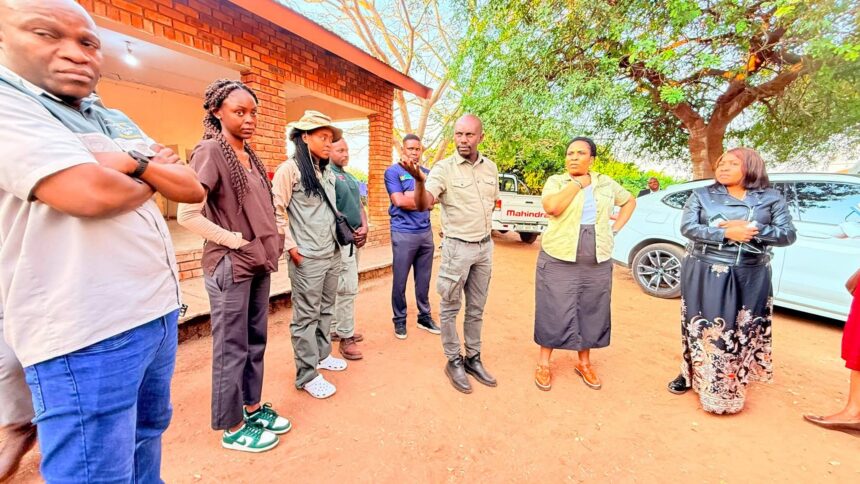
Strong veterinary services are essential for protecting livestock, supporting farmers and ensuring the long-term success of South Africa’s agricultural sector. Healthy animals contribute directly to food security, rural economic growth and the sustainability of farming communities that depend on livestock for their livelihoods. Recognising the importance of these services, Mpumalanga MEC for Agriculture, Rural Development, Land and Environmental Affairs, Khethiwe Moeketsi, conducted an oversight visit to the Tonga VET Clinic for Animal Health and its on-site laboratory in Tonga. The visit formed part of the department’s ongoing efforts to monitor public agricultural facilities and ensure that essential veterinary services continue to meet the needs of local farming communities. It also highlighted the province’s commitment to improving livestock health through quality veterinary care, disease surveillance and practical support for farmers.
The Tonga VET Clinic plays a critical role in providing essential veterinary treatment to livestock owners across the Nkomazi area. Farmers rely on the clinic for professional animal healthcare services that help prevent disease, improve productivity and protect valuable livestock assets. Veterinary professionals at the facility work closely with farmers to diagnose illnesses, provide treatment and advise on effective animal health management practices. Their work contributes to healthier herds, increased agricultural productivity and greater financial stability for livestock producers. Access to reliable veterinary care is particularly important in rural communities where farming remains one of the primary sources of income and food production.
One of the key features of the Tonga VET Clinic is its on-site laboratory, which provides important diagnostic services that strengthen animal disease management. Laboratory testing allows veterinary professionals to identify diseases quickly and accurately, enabling faster treatment and more effective disease control measures. Early diagnosis is essential for preventing the spread of infectious diseases that can affect large numbers of livestock and cause significant economic losses. The laboratory also supports disease surveillance by collecting valuable information that helps authorities monitor animal health trends throughout the region. This capability strengthens the province’s overall preparedness to respond to animal health threats while protecting both farmers and the broader agricultural industry.
During the oversight visit, MEC Khethiwe Moeketsi emphasised the importance of integrating veterinary services with wider agricultural development initiatives. She noted that veterinary healthcare should not be viewed in isolation but as an essential component of building productive, sustainable farming systems. Healthy livestock contribute to stronger agricultural businesses by improving breeding outcomes, increasing production and reducing financial losses caused by disease. Integrating veterinary support with agricultural development programmes allows farmers to benefit from a more comprehensive approach that addresses both animal health and farm productivity. This strategy supports long-term rural development while strengthening the resilience of farming communities throughout Mpumalanga.
Disease surveillance formed another important focus of the oversight visit, particularly as South Africa continues strengthening efforts to manage livestock diseases. Veterinary surveillance programmes help identify potential disease outbreaks before they spread widely, allowing authorities to respond quickly and minimise their impact. Monitoring livestock health also protects food production systems and supports the country’s ability to maintain high animal health standards. Effective surveillance requires well-equipped facilities, skilled veterinary professionals and close cooperation with farmers who report suspected illnesses. Facilities such as the Tonga VET Clinic play an important role in maintaining this early warning system while supporting national disease control efforts.
The visit also reinforced the department’s commitment to supporting rural livelihoods through improved agricultural services. Livestock farming remains a major source of employment and household income for many communities in the Nkomazi Local Municipality. By ensuring that veterinary clinics operate efficiently and continue providing quality services, the department helps farmers protect their investments while improving agricultural productivity. Strong veterinary support also contributes to food security by keeping livestock healthy and reducing the risks associated with disease outbreaks. These efforts create more stable farming operations that benefit families, local businesses and rural economies.
Sustainable agricultural growth depends on continued investment in both infrastructure and professional support services. Veterinary clinics, diagnostic laboratories and disease surveillance systems provide essential foundations for successful livestock production. Government oversight visits allow departmental leaders to assess whether these facilities have the resources, equipment and operational standards necessary to deliver effective services. They also create opportunities to engage directly with veterinary staff, identify operational challenges and explore solutions that improve service delivery. Maintaining high standards within veterinary facilities strengthens confidence among farmers while enhancing the overall effectiveness of agricultural development programmes.
MEC Khethiwe Moeketsi’s oversight visit to the Tonga VET Clinic for Animal Health and its on-site laboratory demonstrated the important role that veterinary services play in supporting South Africa’s agricultural sector. The visit highlighted the value of quality veterinary treatment, accurate diagnostic services and effective disease surveillance in protecting livestock and strengthening rural economies. By promoting the integration of veterinary care with broader agricultural development, the Mpumalanga Department of Agriculture, Rural Development, Land and Environmental Affairs continues to invest in sustainable farming and improved livelihoods for rural communities. Ongoing support for veterinary infrastructure and professional services will remain essential as farmers face evolving animal health challenges and increasing demands for agricultural production. Through continued collaboration with farming communities and investment in animal health systems, Mpumalanga is building a stronger, more resilient agricultural sector that can support economic growth and food security for years to come.
Join 'Farmers Mag' WhatsApp Channel
Get the latest Farming news and tips delivered straight to your WhatsApp
CLICK HERE TO JOIN