

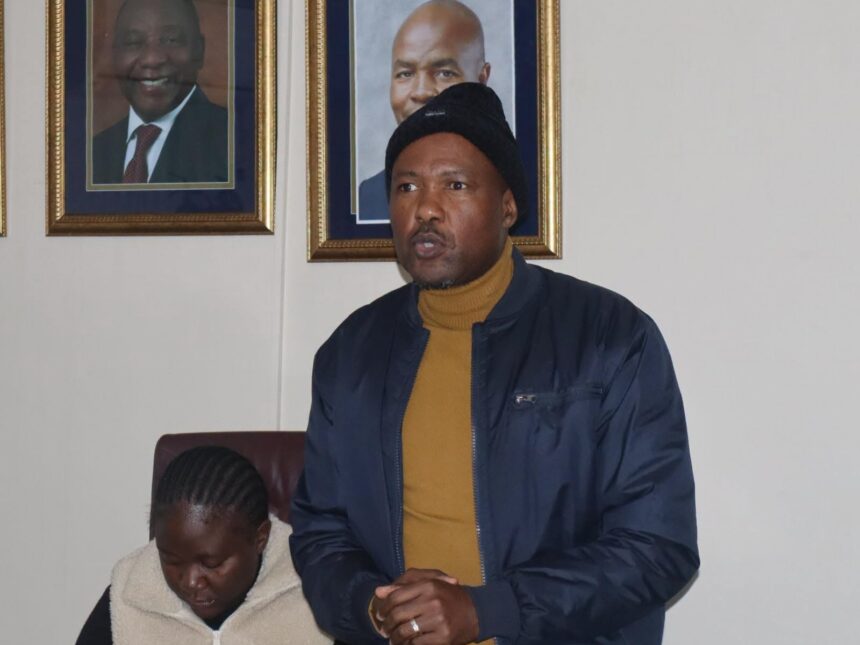
Subsistence, smallholder and commercial farmers from different municipalities in the Gert Sibande District gathered at Nootgedacht Research Farm in Ermelo for an important briefing on the terms and conditions attached to livestock support provided through the Masibuyele Esibayeni Livestock Improvement Programme. The engagement focused on ensuring that beneficiaries clearly understand their responsibilities before receiving the animals allocated to them. The programme provides livestock to qualifying farmers as part of efforts to strengthen agricultural production, improve livestock ownership and support sustainable rural livelihoods. Farmers were given an opportunity to understand the different agreements that apply to their categories and the obligations they will have after receiving their livestock sets. The briefings are an important part of ensuring that government agricultural support is used responsibly and that the benefits of the programme can reach more farmers over time.
The Masibuyele Esibayeni Programme is implemented by the Department of Agriculture, Rural Development, Land and Environmental Affairs to support qualifying farmers with livestock sets. The programme covers cattle, goats, sheep, chickens and pigs, depending on the support provided to individual beneficiaries. By giving farmers productive livestock, the initiative aims to strengthen their farming operations while creating opportunities for increased production and household income. Livestock can provide farmers with multiple benefits, including breeding opportunities, meat production and the potential to build productive assets over time. The programme therefore forms part of broader efforts to strengthen agricultural participation and improve livelihoods in rural communities.
The briefing at Nootgedacht Research Farm was particularly important because beneficiaries do not all receive support under the same agreement. The terms differ according to whether a farmer is classified as a subsistence, smallholder or commercial farmer. Understanding these distinctions helps beneficiaries know what is expected of them and how they should manage the animals once they are received. It also ensures that farmers are aware of the conditions attached to government assistance before taking ownership of the livestock. Clear communication at this stage can reduce misunderstandings and help protect the long-term objectives of the Masibuyele Esibayeni Programme.
Subsistence farmers receive their livestock through a grant arrangement, which means they are not required to return any of the animals received under the programme. This form of support is designed to assist farmers who operate primarily at subsistence level and may have limited resources to expand their livestock enterprises. Receiving productive animals can give these farmers an opportunity to strengthen their herds or flocks and improve their agricultural activities. However, the grant does not mean that beneficiaries can ignore the programme’s rules regarding the management of the animals. Farmers remain responsible for looking after the livestock properly and complying with the conditions communicated by the Department.
Smallholder farmers receive their livestock under a loan agreement with a different repayment arrangement. According to the terms explained during the briefing, smallholder beneficiaries must return 50% of the animals they received after a three-year period. This approach is designed to allow the livestock support to circulate to other prospective beneficiaries who may qualify for assistance in the future. Instead of ending with the first recipient, part of the livestock can therefore become a resource that supports another farmer through the programme. The arrangement makes responsible livestock management important because the farmer must be able to meet the agreed return obligation after the three-year period.
Commercial farmers operate under another set of conditions because they receive livestock under an agreement requiring the return of 100% of the animals received. The return takes place after a five-year cooling-off period, according to the terms outlined during the beneficiary briefing. This arrangement is intended to ensure that the support provided to commercial farmers can eventually be redirected to other qualifying applicants. The longer period gives beneficiaries an opportunity to use the livestock productively while preparing to meet their obligations under the agreement. Commercial farmers therefore need to understand the agreement from the beginning and manage their animals with the future return requirement in mind.
An important condition applies to beneficiaries across the different categories, as farmers may not pledge or give away the animals they receive without approval from the Department. This requirement helps protect livestock provided through the programme and prevents beneficiaries from transferring or using the animals in ways that could undermine the objectives of the support. Farmers who receive animals must therefore treat them as assets subject to the conditions of their agreements. Seeking the Department’s approval before making any decision involving the animals is essential where the programme’s rules require such approval. Clear understanding of this condition can help beneficiaries avoid actions that could place them in breach of their agreements.
The briefing process also highlights why agricultural support programmes need more than the distribution of resources. Farmers need to understand how the support works, what responsibilities they assume and what outcomes the programme expects to achieve. Livestock ownership brings ongoing responsibilities such as proper feeding, animal health management, breeding and protection from losses. Beneficiaries also need to understand the importance of keeping accurate records, particularly where the terms of their agreements require animals to be returned at a later stage. By providing detailed briefings before or during the allocation process, the Department can help farmers make better decisions and manage their livestock more effectively.
The programme’s structure also creates an opportunity to build a cycle of agricultural support within rural communities. Subsistence farmers can receive grant-based assistance without the requirement to return animals, while smallholder and commercial farmers have obligations that allow livestock to be redirected to future beneficiaries. The different arrangements recognise that farmers operate at different levels and have different capacities and development needs. When beneficiaries meet their responsibilities, the programme can support a wider group of farmers over time. This approach can help increase livestock ownership and strengthen participation in agriculture across municipalities in the province.
The beneficiary briefings are also continuing beyond Gert Sibande District as the Department engages farmers in other areas. The programme is scheduled to hold another engagement this Thursday in Thulamahashe in Bohlabela, followed by a briefing in Mbombela on August 18. These engagements provide opportunities for beneficiaries in different areas to receive the same important information about their agreements and responsibilities. Consistent communication is essential because farmers need to understand the terms before they take possession of livestock. Reaching beneficiaries across different districts and municipalities can also help ensure that the programme operates transparently and that farmers understand how the support is intended to work.
The Masibuyele Esibayeni Livestock Improvement Programme represents an important investment in agricultural development because livestock can provide a foundation for long-term farming activity. Cattle, goats, sheep, chickens and pigs can support production while giving farmers opportunities to build productive assets and strengthen their participation in the agricultural economy. However, the success of the programme depends on beneficiaries understanding and respecting the agreements attached to the support. The briefing at Nootgedacht Research Farm has helped place those responsibilities at the centre of the livestock allocation process. With informed beneficiaries, responsible livestock management and adherence to the programme’s conditions, Masibuyele Esibayeni can continue creating opportunities for farmers while extending its benefits to future generations of agricultural producers.
Join 'Farmers Mag' WhatsApp Channel
Get the latest Farming news and tips delivered straight to your WhatsApp
CLICK HERE TO JOIN




