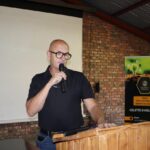
KwaZulu-Natal has reached an important milestone in its campaign to combat Foot-and-Mouth Disease (FMD), with more than 1.5 million cattle vaccinated across the province. The achievement highlights the provincial government’s ongoing efforts to protect livestock, support farmers and strengthen South Africa’s agricultural sector against one of the most serious animal diseases affecting the livestock industry. Yesterday, KwaZulu-Natal MEC for Agriculture and Rural Development, Mrs Thembeni KaMadlopha-Mthethwa, presented an update on the province’s FMD response to the Portfolio Committee on Agriculture at the South African Parliament in Cape Town. Her report outlined the significant progress made through the vaccination programme while reaffirming the department’s commitment to controlling the disease and preventing further outbreaks. The update also emphasised the importance of cooperation between government, farmers and industry stakeholders in protecting animal health and sustaining the agricultural economy.
During her presentation, MEC KaMadlopha-Mthethwa reported that 1,567,971 cattle had been vaccinated as of last week. This represents approximately 55 percent of KwaZulu-Natal’s estimated cattle population of 2.5 million animals, making it one of the largest livestock vaccination efforts undertaken in the province. The figures demonstrate the scale of the campaign and the dedication of veterinary teams working across multiple districts to protect livestock from infection. Vaccinating such a large proportion of the provincial herd significantly reduces the risk of widespread disease transmission while helping to safeguard the livelihoods of livestock farmers. The progress achieved so far reflects careful planning, coordinated logistics and strong collaboration between veterinary services and farming communities.
The vaccination campaign has already been completed in several key districts throughout KwaZulu-Natal. These include uGu, Harry Gwala, uMkhanyakude, uThukela, uMgungundlovu, Zululand and eThekwini, where thousands of cattle have received protection against Foot-and-Mouth Disease. Successfully covering these districts represents an important achievement because they are home to large numbers of livestock farmers who depend on healthy animals for income and food production. Veterinary teams have worked extensively to ensure vaccines reach commercial, emerging and communal farming areas alike. By implementing vaccination programmes across diverse farming communities, the department is strengthening disease control efforts throughout the province.
The campaign has now shifted its focus to the iLembe and King Cetshwayo districts, where veterinary-led teams are continuing their vaccination operations. Together, these two districts are home to approximately 200,000 cattle, making them an important part of the province’s overall disease control strategy. According to the department, vaccination activities in both districts are expected to conclude this week, bringing the province another step closer to achieving broader livestock protection. Completing vaccinations in these areas will further strengthen KwaZulu-Natal’s ability to limit the spread of Foot-and-Mouth Disease. The continued rollout demonstrates the department’s commitment to maintaining momentum until all targeted farming communities have been reached.
Speaking during her presentation, MEC KaMadlopha-Mthethwa highlighted the significance of the progress already achieved through the vaccination campaign. She stated that vaccinating more than 1.5 million cattle demonstrates the province’s determined response to Foot-and-Mouth Disease and its commitment to protecting the livestock industry. The MEC also reaffirmed the department’s dedication to working closely with farmers and all relevant stakeholders to curb the spread of the disease. Effective disease control depends not only on vaccination but also on ongoing cooperation between government authorities, veterinary professionals and livestock owners. Continued communication and coordinated action remain essential to ensuring the long-term success of the programme.
The MEC also used the opportunity to strongly condemn the illegal movement of cattle, describing it as one of the major risks that can undermine disease control efforts. Unauthorised movement of livestock increases the possibility of infected animals spreading the disease to previously unaffected areas, making outbreaks more difficult and costly to contain. Movement restrictions are implemented to protect farmers and limit the transmission of the virus between herds and districts. MEC KaMadlopha-Mthethwa urged every cattle farmer to comply fully with the movement controls and regulations currently in place. Responsible livestock management and adherence to these rules are critical components of an effective national strategy to combat Foot-and-Mouth Disease.
Foot-and-Mouth Disease continues to present significant challenges for South Africa’s livestock industry because of its potential economic impact. Although the disease does not generally pose a direct threat to human health, it affects cattle and other cloven-hoofed animals, resulting in reduced productivity, movement restrictions and disruptions to local and international trade. Disease outbreaks can have serious financial consequences for farmers while affecting the broader agricultural value chain, including processors, transport businesses and exporters. Vaccination programmes remain one of the most effective tools for reducing the spread of the disease and protecting animal health. Continued investment in veterinary services and disease surveillance strengthens South Africa’s ability to respond quickly to future outbreaks.
The KwaZulu-Natal Department of Agriculture and Rural Development has reaffirmed its commitment to protecting livestock while strengthening efforts to control and prevent the spread of Foot-and-Mouth Disease. The vaccination of more than 1.5 million cattle marks significant progress, but the department recognises that continued vigilance and cooperation remain essential. By expanding vaccination coverage, enforcing livestock movement controls and working closely with farmers, the province is building a stronger foundation for long-term disease management. The successful implementation of these measures supports food security, protects rural livelihoods and contributes to the stability of South Africa’s agricultural economy. As vaccination campaigns continue and stakeholders remain committed to responsible livestock management, KwaZulu-Natal is making meaningful progress toward reducing the impact of Foot-and-Mouth Disease and securing a healthier future for its livestock industry.
Join 'Farmers Mag' WhatsApp Channel
Get the latest Farming news and tips delivered straight to your WhatsApp
CLICK HERE TO JOIN