

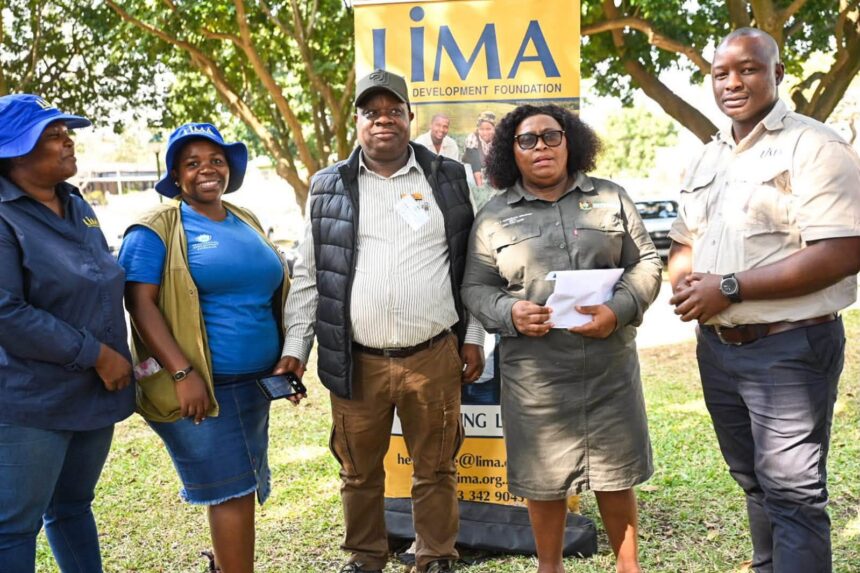
The KwaZulu-Natal Department of Agriculture and Rural Development is strengthening engagement with farmers and livestock owners through direct discussions on the challenges affecting the agricultural sector. As part of the Isithangami Sabalimi Nabafuyi held at the eMpangeni Civic Centre within the uMhlathuze Local Municipality on 7 August 2026, MEC for Agriculture and Rural Development Thembeni kaMadlopha-Mthethwa met directly with farmers and livestock owners to hear their concerns. The engagement provided an important platform for producers to raise matters affecting their farming operations and communities. It also created an opportunity for government to discuss practical solutions that can improve agricultural production and strengthen rural livelihoods. Direct engagement of this nature remains important because sustainable agricultural development depends on understanding the realities faced by producers on the ground.
The Isithangami Sabalimi Nabafuyi brought farmers and livestock owners closer to provincial agricultural leadership, allowing them to discuss challenges that affect their ability to produce food and maintain viable farming enterprises. Farmers often face multiple pressures at the same time, including access to productive resources, livestock health, infrastructure, markets and changing weather conditions. Livestock owners may also require support with animal health management, grazing, disease prevention and other issues that affect herd productivity. Creating a space where these concerns can be raised directly allows government officials to gain a clearer understanding of the issues requiring attention. It also gives producers an opportunity to participate in discussions about solutions rather than simply receiving information from government.
The involvement of MEC kaMadlopha-Mthethwa demonstrated the importance of leadership that is accessible to agricultural communities. Direct conversations with farmers can help government understand how policies and programmes are experienced at farm level. Producers can provide practical information about challenges that may not always be visible through administrative reports or formal planning processes. These discussions can also help officials identify common concerns affecting multiple farming communities and determine where coordinated interventions may be required. Regular engagement between government and producers can therefore contribute to more responsive agricultural planning and better alignment between support programmes and farmers’ needs.
Food security was an important consideration behind the engagement because farmers play a central role in producing food for households and markets. Sustainable food production requires farmers to have the resources, knowledge and support needed to maintain production over the long term. Challenges affecting agricultural productivity can eventually influence food availability, household incomes and local economic activity. Supporting farmers therefore has benefits that extend beyond individual farms and livestock operations. By engaging producers directly and exploring practical solutions, the department can contribute to creating conditions that allow farmers to continue producing food while strengthening their businesses.
Livestock production also forms an important part of rural economies in KwaZulu-Natal, making the concerns of livestock owners an essential part of agricultural discussions. Healthy and productive livestock can provide households with income, food and valuable assets. However, livestock farmers face risks such as animal diseases, limited infrastructure, grazing challenges and the costs associated with maintaining healthy herds. Effective livestock management requires cooperation between farmers, veterinary services and other agricultural support structures. Engagements such as the eMpangeni meeting can help identify these challenges and encourage farmers to work with government to strengthen animal health and livestock production systems.
Sustainable agriculture requires farmers to balance productivity with the long-term management of natural resources. Soil, water, grazing land and other agricultural resources need to be managed responsibly to ensure that they remain productive for future generations. Farmers also need to adapt to changing climatic conditions that can affect rainfall, temperatures, water availability and production cycles. Government agricultural services can support producers by providing technical information, training and guidance on practices that improve resilience. Discussions with farmers can help ensure that sustainability strategies are based on practical conditions rather than broad recommendations that may not suit every farming environment.
The meeting also highlighted the value of listening to farmers when developing solutions for agricultural challenges. Farmers have practical experience of their land, livestock and local production conditions, giving them valuable knowledge that can inform government interventions. When this knowledge is combined with agricultural research, technical expertise and government resources, it can contribute to more effective solutions. Consultation can also help identify which interventions farmers consider most urgent and which support mechanisms are likely to have the greatest impact. This approach can improve the chances that agricultural programmes will respond effectively to real challenges.
Access to markets is another issue that can determine whether farmers are able to turn production into sustainable income. Producing crops or livestock is only one part of running a successful agricultural enterprise, as farmers also need reliable buyers and fair opportunities to sell their products. Smallholder and emerging farmers may face additional challenges when attempting to access larger markets because of production volumes, logistics and compliance requirements. Strengthening market opportunities can help farmers increase their income and provide incentives for greater production. Continued engagement between producers and government can help identify barriers to market participation and explore ways of improving links between farmers and buyers.
Agricultural infrastructure can also influence productivity and the sustainability of farming operations. Roads, water systems, storage facilities, livestock infrastructure and other resources can determine how efficiently farmers can produce and transport their goods. Where infrastructure is inadequate, farmers may face higher costs and greater difficulty reaching markets or managing their operations. Discussions at community-level agricultural engagements can help government identify infrastructure challenges and consider where interventions may be needed. Addressing infrastructure constraints can support both agricultural productivity and broader rural development.
The eMpangeni engagement also reinforced the importance of collaboration between farmers themselves. Agricultural challenges often affect more than one farm, particularly when they involve livestock diseases, water resources, grazing areas or market access. Farmers can strengthen their ability to respond to common challenges by participating in organised agricultural structures and sharing information. Government can support this cooperation by creating platforms where farmers can communicate with officials and with one another. Stronger relationships between producers and agricultural authorities can contribute to more coordinated responses when challenges arise.
The Isithangami Sabalimi Nabafuyi held at the eMpangeni Civic Centre was therefore more than a routine meeting between government officials and agricultural producers. It provided a direct platform for farmers and livestock owners to communicate their concerns and participate in discussions about the future of agriculture in their communities. The engagement demonstrated the importance of combining government support with the knowledge and experience of producers who work directly with land and livestock. Continued consultation can help ensure that agricultural programmes remain relevant to the needs of farmers while supporting broader goals such as food security, rural development and economic growth. It can also help strengthen accountability by ensuring that concerns raised by farmers remain part of ongoing government planning.
The engagement led by MEC Thembeni kaMadlopha-Mthethwa in eMpangeni highlights the importance of keeping farmers and livestock owners at the centre of agricultural development. Sustainable agriculture requires practical solutions to challenges affecting production, animal health, markets, infrastructure and natural resources. By listening directly to producers and exploring ways to address their concerns, government can strengthen the support systems that underpin food production and rural livelihoods. The success of these efforts will depend on continued cooperation between farmers, livestock owners, agricultural officials and other stakeholders. Through sustained engagement and practical interventions, KwaZulu-Natal can strengthen its agricultural sector, improve food security and create more resilient farming communities for the future.
Join 'Farmers Mag' WhatsApp Channel
Get the latest Farming news and tips delivered straight to your WhatsApp
CLICK HERE TO JOIN




