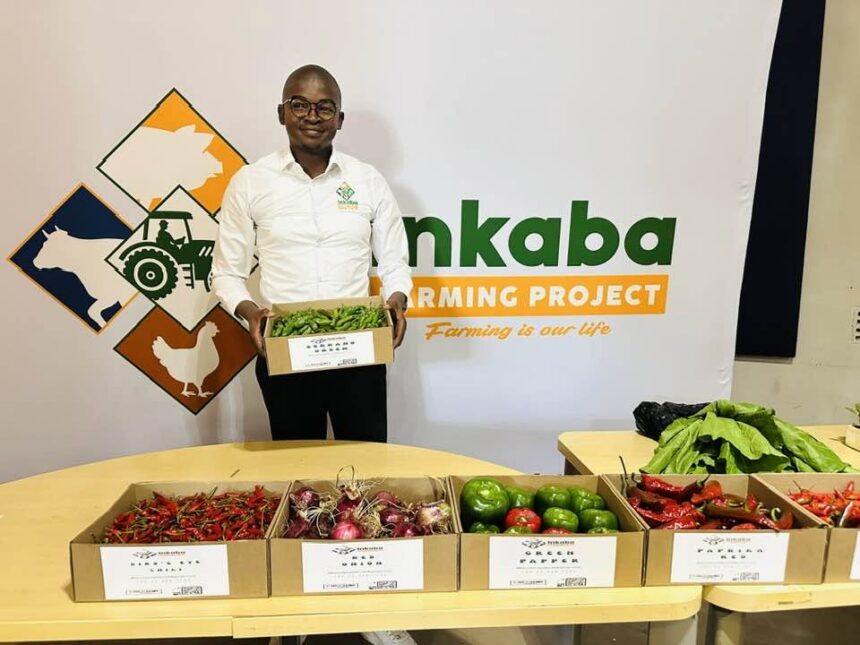
Inkaba Farming Project is celebrating a major milestone as it works to expand market opportunities, strengthen farmer collaboration and establish itself as a more commercially focused agricultural enterprise in Mpumalanga. With two contracts already secured, the farming project is now looking to open additional markets that can create room for further growth. Mfanzile Maseko, who shared the update, emphasised that securing markets is essential if farmers are to increase production and build sustainable agricultural businesses. For farmers, producing quality crops is only one part of the challenge because reliable buyers are needed to turn production into income and support continued investment. The progress made by Inkaba Farming Project shows how farmer-led initiatives can focus on building practical systems that connect production, compliance and market access.
The project’s focus on market development comes from a clear understanding of the challenges faced by farmers. Farmers can invest significant amounts of money, time and labour into producing agricultural products, only to struggle when they need to find reliable buyers. Without established markets, increased production can create additional pressure rather than greater financial security. Inkaba Farming Project is therefore working to expand its contracts and develop more market opportunities that can benefit the project and other farmers. This approach places market access at the centre of agricultural development and recognises that successful farming requires a strong connection between production and buyers.
Maseko stressed the importance of building systems that work for farmers and creating stronger collaboration between agricultural producers. Collaboration can allow farmers to share knowledge, resources, experience and opportunities while improving their ability to respond to market demand. Farmers who work together can also explore ways of increasing production volumes and meeting the requirements of larger buyers. However, collaboration becomes more difficult to sustain when there are no reliable markets for the products being produced. Inkaba Farming Project’s approach therefore focuses on developing markets alongside stronger relationships between farmers, creating a foundation for more coordinated agricultural growth.
The project’s market development efforts are intended to benefit more than Inkaba Farming Project itself. Maseko explained that the objective is to build markets for farmers because farmers understand the frustrations that other farmers experience when they struggle to sell their produce. This farmer-led perspective can help ensure that market development efforts are based on practical agricultural realities rather than assumptions about what producers need. Creating reliable market channels can give farmers greater confidence to increase production and invest in their businesses. It can also contribute to a more connected agricultural value chain in which producers have clearer pathways from the farm to the customer.
The two contracts already secured by Inkaba Farming Project provide an important foundation for this strategy. Having confirmed buyers can give the farming enterprise greater certainty and provide an opportunity to demonstrate its ability to meet commercial requirements. Additional contracts could allow the project to expand production and potentially create opportunities for other farmers to participate in the supply chain. Developing several market relationships can also reduce dependence on a single buyer and provide greater flexibility as production grows. The next stage will therefore be focused on identifying additional opportunities and building relationships that can support sustainable agricultural expansion.
Another significant development is that Inkaba Farming Project has been granted the right to build a commercial farm. This represents a major step for the enterprise because commercial farming requires appropriate systems, infrastructure, compliance measures and business planning. The development can provide the project with a stronger platform from which to increase production and pursue additional markets. It also reflects a commitment to establishing the farming operation on a structured and compliant foundation. For an emerging agricultural enterprise, reaching this stage can create new opportunities while also bringing greater responsibility for meeting the standards required of a commercial farming operation.
Compliance has become an important part of Inkaba Farming Project’s development. Maseko expressed pride in the project’s approach to compliance and pointed to the fact that the enterprise has secured an Environmental Impact Assessment, or EIA. Environmental compliance can be an important consideration when developing agricultural infrastructure and commercial farming operations, particularly where activities may have environmental implications. Meeting these requirements can involve additional planning and administrative work, but it can also help ensure that developments are carried out responsibly. For Inkaba Farming Project, achieving this milestone appears to represent more than paperwork because it forms part of the foundation for its plans to develop a commercial farm.
The project’s progress demonstrates that compliance and commercial growth can work together. Farmers and agricultural enterprises need to meet relevant regulatory requirements while also building businesses that can compete in the market. Proper compliance can help create a more structured operation and provide greater confidence to potential partners, buyers and investors. It can also reduce the risk of delays or complications when an enterprise expands its activities. Inkaba Farming Project’s emphasis on getting the necessary processes right reflects an understanding that long-term agricultural growth requires both commercial ambition and responsible business management.
The planned commercial farm could also create opportunities for increased production and employment. As the enterprise develops its infrastructure and expands its market relationships, there may be opportunities to create additional work within farming operations and related services. Growth in agricultural production can generate demand for inputs, transport, packaging, maintenance and other services. If more farmers become connected to the project’s market development efforts, the economic impact could extend beyond a single farming enterprise. This makes the development relevant not only to Inkaba Farming Project but also to the wider agricultural economy in Mpumalanga.
The role of partnerships has also been central to the project’s progress. Maseko acknowledged the support of the many partners who have collaborated with Inkaba Farming Project during its development. Agricultural enterprises often require support from a range of stakeholders, including farmers, technical specialists, government structures, funders, buyers and other organisations. Strong partnerships can provide access to knowledge, resources and opportunities that may be difficult for a small farming enterprise to secure on its own. Maseko indicated that he hopes to bring these partners together once funding is secured and the commercial farm is developed, highlighting the importance of collective support in taking the project to its next stage.
Funding will be another important factor as Inkaba Farming Project moves towards the construction and development of its commercial farm. Agricultural infrastructure can require significant investment, particularly when a project aims to establish systems capable of supporting larger production volumes and reliable market supply. Access to suitable funding could help translate the project’s current progress into physical infrastructure and expanded operations. A strong market base, existing contracts and demonstrated compliance could also provide useful foundations when approaching potential funding partners. The combination of market access, farmer collaboration, compliance and investment planning could strengthen the project’s prospects for sustainable growth.
Inkaba Farming Project’s journey also highlights a broader issue facing many emerging farmers in South Africa. Access to markets remains one of the most important factors determining whether farmers can turn production into sustainable businesses. Farmers need more than land and production resources because they also require buyers, infrastructure, business systems, compliance support and opportunities to participate in value chains. Farmer-led initiatives that focus on creating these connections can help address some of the barriers that limit agricultural commercialisation. Inkaba Farming Project’s approach demonstrates how producers can look beyond farming alone and work towards building the systems needed to support long-term market participation.
The excitement expressed by Maseko reflects the significance of the progress made so far. Securing two contracts, pursuing additional markets, obtaining the right to establish a commercial farm and achieving important compliance milestones represent substantial developments for an emerging agricultural enterprise. The project still has work ahead, particularly in securing funding, developing infrastructure and expanding its market base. However, the foundations being established can provide a platform for future growth if the project continues to build strong partnerships and maintain its focus on compliance and market access. Inkaba Farming Project’s story shows that agricultural development can involve much more than production because building a successful farming business also requires systems, collaboration, markets and long-term planning.
Inkaba Farming Project is entering an important stage of its development in Mpumalanga, with existing contracts providing a foundation for further market expansion and plans for a commercial farm creating new possibilities for growth. Its focus on collaboration reflects the reality that farmers can achieve more when they work together, but those partnerships need viable markets to remain sustainable. The project’s attention to compliance, including securing an Environmental Impact Assessment, also demonstrates its intention to build its commercial operation on a responsible and structured foundation. With continued support from its partners and access to the funding needed to develop the commercial farm, Inkaba Farming Project could create opportunities for itself and other farmers connected to its market development efforts. Its progress is a strong reminder that when farmers take ownership of market creation, collaboration and business development, they can play an active role in building a stronger and more sustainable agricultural economy.
Join 'Farmers Mag' WhatsApp Channel
Get the latest Farming news and tips delivered straight to your WhatsApp
CLICK HERE TO JOIN