

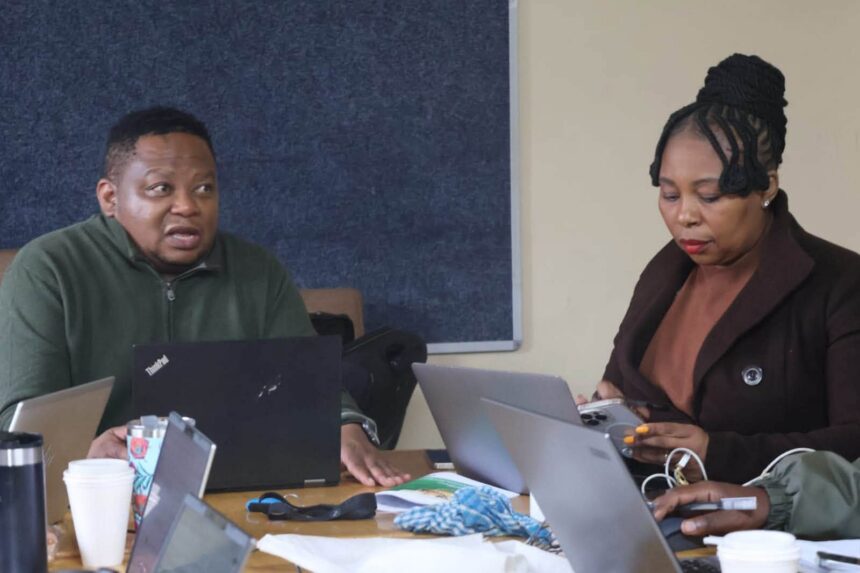
The Head of Department for Agriculture, Rural Development and Environmental Affairs, Mr Tshepo Mabilo, hosted a Project Implementation and Expenditure Meeting at Thaba Nchu in the Mangaung Metro District to strengthen support for funded farmers. The meeting created a platform for farmers to share their experiences in implementing agricultural projects on their farms and discuss challenges affecting the use of allocated funds. Effective financial management is essential for ensuring that agricultural funding translates into productive assets, improved operations and sustainable business growth. Farmers were given an opportunity to explain the progress of their projects while highlighting difficulties they encounter when spending funds provided through government support programmes. The engagement reflects the department’s focus on ensuring that agricultural funding is used effectively and delivers meaningful benefits to farmers and their businesses.
Agricultural funding can provide farmers with important resources needed to establish, expand or improve their operations. Depending on the nature of a project, funding may support infrastructure, equipment, production inputs, livestock, irrigation or other requirements that contribute to productivity. However, receiving funding is only one part of developing a successful agricultural enterprise. Farmers must also implement their projects according to approved plans and ensure that expenditure supports the intended objectives. The Thaba Nchu meeting provided an opportunity to address these practical issues directly and identify ways to help farmers use available resources more effectively.
A key purpose of the meeting was to give funded farmers a platform to share their project implementation journeys. Every agricultural enterprise operates under different conditions, meaning farmers can experience different challenges even when they receive similar forms of support. Some may encounter delays in acquiring equipment or inputs, while others may face difficulties with suppliers, changing costs or other operational issues. Allowing farmers to explain these experiences can help government officials gain a clearer understanding of what happens during implementation. It also creates an opportunity for farmers to learn from one another and identify approaches that could help them overcome common challenges.
The meeting also focused on expenditure and the difficulties farmers face when spending allocated funds. Agricultural projects must use funding in ways that align with approved objectives and programme requirements. Farmers therefore need to understand how funds can be used and how spending decisions can affect the progress and sustainability of their businesses. Challenges can arise when prices change, suppliers are unavailable or project requirements become more complicated during implementation. Discussing these issues with departmental officials can help farmers identify appropriate solutions while ensuring that expenditure remains aligned with the purpose of the funding.
Mr Mabilo emphasised the importance of ensuring that funds allocated to farmers are spent in ways that address their actual needs and contribute to the development of their businesses. This approach places the focus on outcomes rather than simply on whether funds have been spent. Effective expenditure should result in resources that improve the productive capacity of the farm and help the business move towards greater sustainability. Farmers need to consider how each spending decision contributes to production, efficiency and future growth. When funding is used strategically, it can become an important foundation for building stronger agricultural enterprises.
Sharing ideas and solutions was another important part of the engagement. Farmers often encounter practical challenges that may be difficult to resolve without guidance or additional information. Bringing farmers and officials together creates an opportunity to discuss these challenges collectively and identify workable approaches. It can also help officials identify recurring issues that may require improvements in support services or programme implementation. A collaborative approach can make it easier for farmers to understand their responsibilities while helping the department develop more responsive ways of supporting funded projects.
The meeting also highlights the importance of communication between government and agricultural producers after funding has been approved. Ongoing engagement can help ensure that farmers are not left to manage complex implementation and expenditure requirements without appropriate guidance. Regular discussions can provide opportunities to identify problems before they have a significant effect on project performance. They can also help government monitor whether funded projects are progressing towards their intended objectives. Strong communication can therefore improve accountability while providing farmers with practical support throughout the implementation process.
For farmers, effective use of funding can make a significant difference to the long-term performance of their businesses. Agricultural enterprises need to use resources carefully because production costs can be high and market conditions can change. Funding should ideally strengthen the areas of the business that have the greatest potential to improve productivity and generate sustainable income. Farmers also need to consider the long-term operating costs associated with investments made through government support. The discussions at Thaba Nchu encouraged farmers to think carefully about how allocated funds can contribute to the continued development of their enterprises beyond the initial project period.
The engagement at Thaba Nchu also reinforces the importance of accountability in agricultural development programmes. Government funding is intended to support productive activities and improve the ability of farmers to contribute to the agricultural economy. Ensuring that funds are used appropriately protects the integrity of these programmes and helps demonstrate the value of public investment in agriculture. At the same time, farmers need clear guidance and support so that administrative or implementation challenges do not prevent them from achieving the intended outcomes. A balanced approach that combines accountability with practical assistance can improve the effectiveness of agricultural funding.
The Project Implementation and Expenditure Meeting ultimately provided a valuable platform for farmers and government officials to address the practical realities of agricultural development. By discussing project progress, expenditure challenges and possible solutions, the engagement aimed to help farmers use their allocated resources responsibly and productively. Mr Tshepo Mabilo’s emphasis on spending funds according to farmers’ needs highlights the importance of ensuring that government support contributes directly to business development and growth. Continued engagement between the department and funded farmers can help resolve implementation challenges while strengthening accountability and project performance. When agricultural funding is properly planned, managed and directed towards productive needs, it can provide farmers with a stronger foundation for sustainable businesses and contribute to broader rural economic development.
Join 'Farmers Mag' WhatsApp Channel
Get the latest Farming news and tips delivered straight to your WhatsApp
CLICK HERE TO JOIN




