

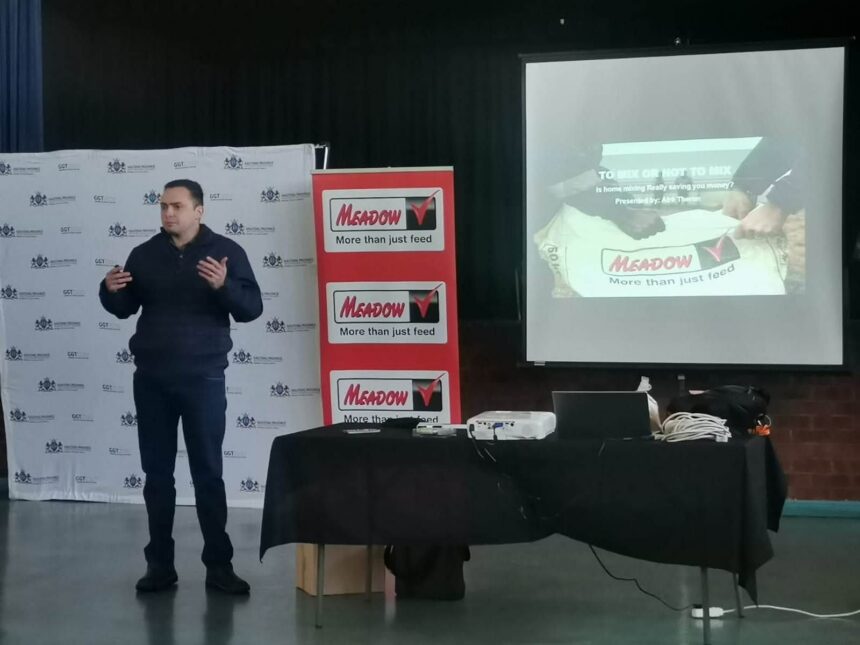
The Gauteng Department of Agriculture and Rural Development (GDARD) is today hosting a Stakeholder Engagement Meeting in Didiza, Ekurhuleni, to strengthen coordination in the province’s response to Foot and Mouth Disease (FMD). The session brings together local stakeholders to receive important updates on the disease situation and the measures being implemented to control its spread. Discussions are focused on provincial control measures, disease developments and biosecurity protocols that can help protect livestock and agricultural businesses. The engagement comes as collaboration remains essential for managing animal health risks and limiting the impact of disease outbreaks on farmers and the wider agricultural sector. By bringing stakeholders together, GDARD is creating an opportunity to share information, clarify responsibilities and strengthen collective action to safeguard Gauteng’s livestock industry.
Foot and Mouth Disease is a serious livestock health concern because it can spread rapidly among susceptible cloven-hoofed animals. The disease can affect cattle, pigs, sheep and goats and may have significant consequences for farmers when outbreaks occur. While FMD does not pose a food safety risk to humans, its presence can disrupt livestock movement, trade and agricultural operations. Farmers may face restrictions that affect how animals are transported, sold or moved between properties. Effective disease control is therefore important not only for animal health but also for protecting the economic interests of farmers and businesses that depend on the livestock value chain.
The stakeholder meeting provides a platform for local participants to receive updates about the current FMD situation in Gauteng. Access to timely information is essential because disease-control measures can change as authorities assess new developments and risks. Farmers and other stakeholders need to understand what is happening in affected areas and what actions they are expected to take. Clear communication can also help reduce confusion and prevent the spread of inaccurate information during an outbreak. Regular engagement between government officials and agricultural communities allows important updates to reach those who need them most.
Provincial control measures form a central part of the discussions taking place in Didiza. These measures are intended to limit opportunities for the disease to spread between livestock populations and agricultural areas. Depending on the disease situation, controls can include restrictions on livestock movement, surveillance and other measures designed to contain outbreaks. Farmers need to understand these requirements and comply with official instructions to support the wider disease-control effort. Effective implementation depends on cooperation between authorities, farmers, livestock owners and other participants across the agricultural value chain.
Biosecurity is another major focus of the engagement because individual farms can play an important role in preventing the introduction and spread of FMD. Farmers can strengthen biosecurity by controlling access to their properties, monitoring livestock and managing the movement of people, vehicles and animals. They should also remain alert to unusual signs of disease and report suspected cases through the appropriate veterinary channels. Good biosecurity practices can reduce the risk of disease entering a farm and help limit transmission if an outbreak occurs nearby. Consistent implementation is particularly important because livestock farms are connected through movements, markets, transport networks and other agricultural activities.
Stakeholder cooperation is essential because government authorities cannot manage an animal disease threat alone. Farmers have direct responsibility for the animals under their care and are often the first to notice changes in livestock health. Veterinary officials provide technical guidance and coordinate disease-control interventions, while other stakeholders can assist with communication, transport controls and compliance. Each participant has a role in reducing opportunities for disease transmission. The Didiza meeting provides an opportunity to strengthen these relationships and ensure that stakeholders understand how their actions contribute to the broader response.
FMD can also have wider economic implications for Gauteng’s agricultural sector. Restrictions on livestock movement can affect farmers’ ability to take animals to markets, breeding facilities or other destinations. These disruptions can influence cash flow and create additional costs for producers who need to manage animals for longer periods. Businesses involved in livestock transportation, auctions, processing and other related activities can also experience consequences when movement controls are introduced. Effective disease management can therefore help protect not only animal health but also the stability of the broader livestock economy.
Providing farmers with accurate information is particularly important during a disease outbreak because uncertainty can make it difficult for producers to plan their operations. Farmers need to understand the disease situation, the control measures that apply to their areas and the biosecurity practices they should follow. They also need clarity about where to obtain official information and how to report suspected cases. Stakeholder meetings can address these needs by creating direct channels between agricultural authorities and communities. This can improve compliance and help farmers make informed decisions based on reliable information.
The engagement in Ekurhuleni also reinforces the importance of preparedness in managing animal health threats. Strong disease-control systems require ongoing surveillance, communication and cooperation rather than action only after an outbreak has expanded. Farmers who maintain effective biosecurity practices can reduce their exposure to livestock diseases and protect their operations. Government agencies can strengthen preparedness through monitoring, veterinary services and clear protocols for responding to suspected or confirmed cases. Together, these measures can improve Gauteng’s ability to respond to FMD and other animal health risks.
The Gauteng Department of Agriculture and Rural Development’s stakeholder engagement ultimately highlights the importance of collective responsibility in protecting the province’s livestock sector. The discussions in Didiza are providing stakeholders with critical information about FMD developments, provincial control measures and biosecurity protocols. Farmers and agricultural stakeholders can contribute to the response by following official requirements, maintaining strong biosecurity practices and sharing relevant information with authorities. Government, in turn, must continue providing clear communication, technical guidance and coordinated disease-control measures. Working together in this way can help Gauteng protect its livestock, support its agricultural communities and strengthen the resilience of the province’s agricultural sector.
Join 'Farmers Mag' WhatsApp Channel
Get the latest Farming news and tips delivered straight to your WhatsApp
CLICK HERE TO JOIN




