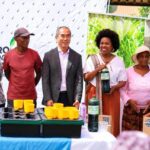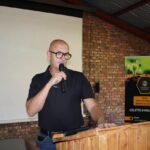
Farmers in the Xhariep District received practical guidance on natural resource management, livestock health and disaster preparedness during a Farmers Day and Demonstration Session hosted yesterday by the Free State Department of Agriculture, Rural Development and Environmental Affairs (DARDEA). The event was organised through the Xhariep District Extension and Advisory Services at Panfontein Farm Portion 2, outside Koffiefontein, within Letsemeng Local Municipality. The programme focused on helping farmers prepare for natural disasters while strengthening their ability to protect livestock, agricultural land and natural resources. Particular attention was given to the increased risk of veld fires during the winter season, which can cause significant damage to farms and surrounding communities. The event also provided farmers with an opportunity to learn from specialists working in veterinary services, land conservation, disaster management, firefighting and agricultural development.
Ms Boitshoko Mocwaledi, an Agricultural Practitioner in the area, explained that the Farmers Day was designed to strengthen farmers’ preparedness for natural disasters and improve their ability to respond to risks affecting agricultural production. She highlighted the increased threat of veld fires during winter as an important concern for farmers in the area. Disaster risk assessments have identified Letsemeng Local Municipality as one of the areas particularly vulnerable to veld fire outbreaks. This vulnerability makes early preparation essential, especially for farmers responsible for livestock, grazing areas, infrastructure and other agricultural assets. Mocwaledi emphasised that proactive fire prevention measures can help protect lives, livestock and agricultural production while reducing the potential impact of disasters on farming communities.
The information-sharing programme covered three key areas, namely herd management, disaster management and environmental care. These areas are closely connected because the health and productivity of livestock depend on farmers having access to suitable grazing, water and well-managed natural resources. Effective disaster management can also reduce losses when farmers face veld fires, severe weather or other emergencies. Environmental care ensures that soil, vegetation and water resources remain productive over the long term. By combining these topics in one programme, DARDEA gave farmers practical information that can support both day-to-day farm management and longer-term resilience.
Veterinary Services representative Ms Mavis Dlanga provided farmers with detailed information about livestock diseases, prevention and control measures. Her presentation also covered biosecurity protocols and the importance of identifying and reporting diseases as early as possible. Early detection can give farmers a better chance of responding to disease before it spreads through a herd and causes larger losses. Dlanga stressed the principle that prevention is better than cure, reinforcing the importance of regular observation, proper livestock management and appropriate disease prevention practices. Her contribution highlighted the fact that healthy livestock form an important foundation for profitable and sustainable agricultural production.
LandCare and Soil Conservation representative Mr Chris Smith focused on the responsible management of natural resources, including soil, water and vegetation. He cautioned farmers that poor management of these resources can result in depletion and environmental degradation, affecting agricultural productivity over time. Smith explained that both human activities and natural factors can contribute to unsustainable farming practices, including overgrazing, pollution, erosion and deforestation. These problems can reduce the productive capacity of agricultural land and make farms more vulnerable to environmental pressures. Farmers were therefore encouraged to view natural resource conservation as an essential part of protecting their livelihoods rather than as a separate environmental responsibility.
Smith also emphasised the need to protect agricultural land from unnecessary veld fires and to conserve natural resources to improve productivity and sustainability. Effective land management can help farmers maintain productive grazing areas and reduce pressure on their available resources. He pointed out that farmers who manage their agricultural resources effectively can also improve profitability by producing sufficient feed on their farms. Producing more feed locally can reduce dependence on purchased feed, which can become a significant expense during difficult seasons. Responsible management of soil, water and vegetation can therefore support both environmental sustainability and the financial performance of farming businesses.
Ms Kefilwe Ditlhage from DARDEA and Mr Charles Mokete from Provincial Disaster Management provided information on disaster relief and post-disaster recovery support available to affected farmers. They encouraged farmers to monitor weather forecasts and early warning alerts so that they can take timely action when severe weather conditions are expected. Farmers were also advised to use the monthly National Agro-meteorological Committee advisory when planning their upcoming farming activities. Access to reliable weather and climate information can help farmers make better decisions about livestock management, grazing, planting and other agricultural activities. The presenters stressed that preparation before a disaster occurs can significantly improve a farming community’s ability to respond and recover.
The presenters also explained the process farmers should follow when agricultural assets are damaged by a disaster. Farmers were reminded to report disaster-related damage to their nearest DARDEA office so that the Department can consolidate the information into a disaster risk assessment report for submission to Provincial Disaster Management. Prompt reporting can help authorities develop a clearer picture of the scale and location of damage and determine what support may be required. Farmers were further encouraged to prepare for changing climatic conditions and strengthen resilience within their communities. The presenters noted that the effects of El Niño are beginning to be observed in the eastern and southern parts of the Free State, making weather awareness and preparedness increasingly important for farmers in affected areas.
Representatives from Working on Fire, Ms Clodinah Mofokeng and Mr David Nyelele, focused on veld fire prevention and emergency response. They urged farmers to remain vigilant by maintaining firebreaks around vulnerable areas and ensuring that appropriate firefighting equipment is available when needed. Firebreaks can help limit the spread of fires when they are properly planned, maintained and used as part of a broader fire management strategy. The representatives also stressed the importance of rapid response because fires can spread quickly across dry vegetation and threaten farms, livestock and neighbouring properties. Their contribution gave farmers practical information on how preparation and early intervention can reduce the potential impact of veld fires.
Mr Kagiso Moroka from the Department of Land Reform and Rural Development, Directorate: Strategic Land Acquisition and Land Development, provided information about the Department’s role in agricultural land acquisition and development. He explained that the Department is responsible for acquiring productive agricultural farms and allocating them to qualifying applicants in accordance with relevant criteria and advertised opportunities. This process is important for creating opportunities for qualifying agricultural producers who require access to productive land to establish or expand farming operations. Moroka also explained that the Department assists with the purchase of commonages where municipalities submit applications that meet the relevant requirements. The information helped farmers better understand the processes and requirements associated with agricultural land opportunities.
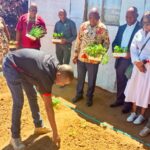
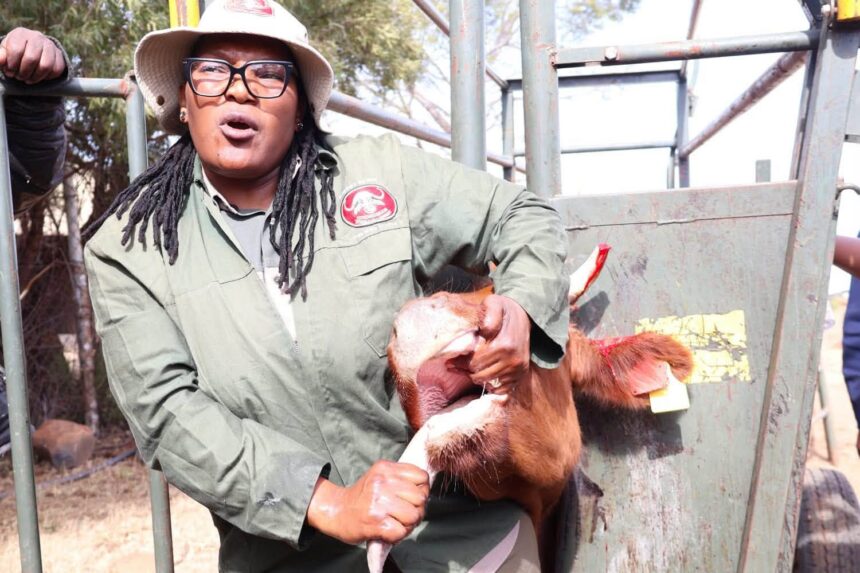
The final phase of the Farmers Day moved from presentations to practical demonstrations, allowing participants to see how some of the information discussed during the programme can be applied on farms. Demonstrations covered several aspects of livestock and veld management, including veld-line inspection, appropriate injection sites and the importance of culling. Farmers were also shown how to conduct mouth inspections for lesions and other clinical signs, along with procedures relating to castration, dehorning and ear tagging. The programme also covered the identification and management of invasive species, which can threaten agricultural land and compete with useful vegetation. Firefighters at the event demonstrated veld fire prevention techniques and emergency response procedures, giving farmers an opportunity to observe practical approaches to managing fire risks.
For farmers, practical demonstrations can be particularly valuable because they allow participants to connect technical information with activities they carry out on their own farms. Understanding where an injection should be administered, how to identify clinical signs or how to inspect grazing areas can improve confidence in livestock and land management. Similarly, learning how to maintain firebreaks and respond to veld fires can help farmers prepare before an emergency occurs. The combination of classroom-style information sharing and practical demonstrations therefore created a broader learning experience for participants. It also reinforced the importance of continuous agricultural education as farmers face changing environmental, climatic and production conditions.
Young farmer Mr Reginald March expressed his appreciation to DARDEA and the Xhariep District for hosting the educational programme. He welcomed the opportunity for farmers to gain practical knowledge that can be applied directly to their agricultural activities. March also expressed a desire to see more Farmers Days and demonstration sessions of this nature hosted in the future. His response reflects the value that farmers can gain from direct access to specialists and practical agricultural information. Regular programmes of this nature can help strengthen knowledge within farming communities while creating opportunities for farmers to engage with government officials and technical experts about challenges affecting their operations.
The Farmers Day and Demonstration Session forms part of DARDEA’s broader efforts to build resilient farming communities and protect the Free State agricultural sector from climate-related disasters. Veld fires, changing weather conditions, livestock diseases and natural resource degradation can all affect agricultural production, making preparedness an important part of farm management. Farmers need access to information, early warnings, technical advice and practical skills to respond effectively to these risks. Programmes that bring together agricultural practitioners, veterinary specialists, disaster management officials, conservation experts and firefighters can provide farmers with a more complete understanding of the challenges they face. The Panfontein event demonstrated how coordinated knowledge-sharing can support farmers as they work to protect their livestock, land and livelihoods.
The session outside Koffiefontein ultimately highlighted that resilient agriculture depends on preparation, responsible resource management and practical knowledge. Protecting farms from veld fires requires farmers to maintain firebreaks, monitor risks and have appropriate response measures in place. Protecting livestock requires disease prevention, early detection, biosecurity and sound herd management. Protecting the future of farming also requires careful management of soil, water and vegetation so that agricultural land remains productive. Through Farmers Days and demonstration sessions such as the one held at Panfontein Farm, DARDEA continues to equip farmers with knowledge, practical skills and information that can help them manage risks and build more sustainable agricultural businesses across the Free State.
Join 'Farmers Mag' WhatsApp Channel
Get the latest Farming news and tips delivered straight to your WhatsApp
CLICK HERE TO JOIN