

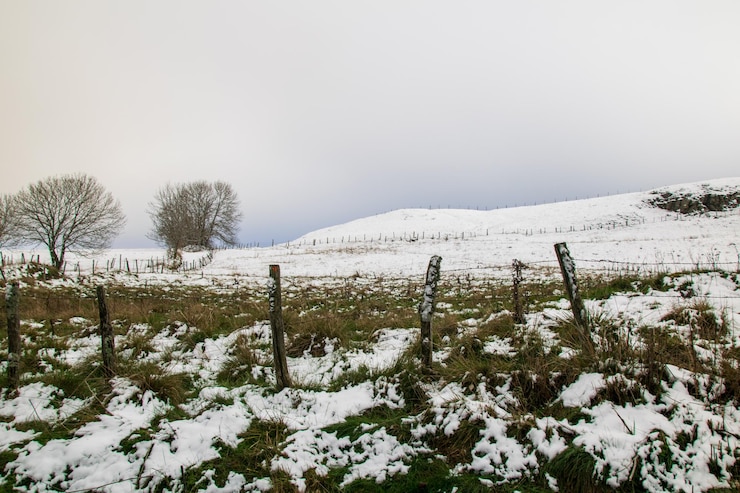
The Free State Department of Agriculture, Rural Development and Environmental Affairs has issued an advisory to farmers across the province as a persistent cold spell and snowfall affect several areas. Snow has been reported across large parts of the Free State, including locations where significant snowfall is uncommon. The harsh winter conditions have raised concerns about the welfare of livestock, particularly cattle, sheep and goats that may face increased exposure to freezing temperatures. While there have been no widespread reports of major livestock losses or extensive agricultural damage at this stage, farmers are being urged to take precautionary steps. The advisory highlights the importance of adequate shelter, feed, water, infrastructure and emergency planning while the cold weather continues.
The immediate agricultural concern is the potential impact of extreme cold on livestock. Cattle, sheep and goats require sufficient energy to maintain their body temperature when temperatures fall significantly, which can increase their nutritional requirements. Young animals, pregnant livestock, sick animals and those already in poor condition can face greater risks during prolonged cold conditions. Smallholder farmers may be particularly vulnerable because they often have limited feed reserves and fewer resources to respond to sudden changes in weather. Farmers are therefore encouraged to assess their livestock regularly and prepare for the possibility that cold conditions could continue for several days.
Providing suitable livestock shelter should be a priority during periods of severe cold and snowfall. Where possible, farmers should move animals to sheltered areas, barns or other protected locations that provide relief from freezing temperatures, snow and strong winds. Dry bedding should be provided to help reduce exposure to cold and damp conditions, particularly for vulnerable animals. Farmers should inspect livestock regularly for signs of cold stress, weakness, illness or other changes in behaviour that could indicate that animals are struggling with the weather. Taking these steps early can reduce unnecessary exposure and help farmers identify problems before they become more serious.
Feed and nutrition are also critical during prolonged cold weather because livestock may require additional energy to maintain their body temperature. Farmers should increase feed rations where necessary and ensure that sufficient hay, fodder and other suitable feed sources are available. Feed should be stored in dry, protected areas to prevent spoilage, contamination and losses caused by exposure to moisture. Farmers with limited reserves should carefully manage available feed and prioritise young livestock, pregnant animals and animals that are already in poor condition. Preparing additional feed supplies where possible can also reduce the pressure on farmers if snowfall or poor road conditions make it difficult to obtain supplies.
Access to clean drinking water must also remain a priority despite the freezing temperatures. Farmers should inspect water troughs and other water sources regularly to ensure that livestock have continuous access to drinking water. Snow and ice should be cleared from access points where necessary, while appropriate measures should be taken to prevent water sources from freezing. Water infrastructure should also be checked for damage caused by extreme temperatures or snow accumulation. Maintaining reliable water supplies is essential because livestock still require regular access to water even when temperatures are exceptionally low.
The current conditions are expected to have a more limited impact on summer crops because the Free State is currently in the off-season for summer grains and oilseeds. Planting for these crops is expected to begin from approximately mid-October, meaning most summer crop fields are not currently at the stage where snowfall would cause significant direct damage. The additional moisture from the snowfall could potentially contribute to soil moisture levels ahead of the next planting season. This moisture may provide a useful contribution to soil conditions as farmers prepare their fields for the upcoming production cycle. However, farmers growing winter crops or other sensitive plants should still take appropriate measures to reduce the risk of frost and cold-related damage.
Farmers with winter crops and sensitive agricultural plants should consider practical protection measures where these are feasible. Frost cloths and suitable coverings can help protect vulnerable plants from freezing temperatures in areas where cold conditions pose a direct threat. Farmers should also avoid unnecessary irrigation during freezing conditions because poorly timed irrigation can increase the risk of frost-related damage to some crops. Regular monitoring of plants and local weather conditions can help farmers decide when additional protection is necessary. Crop-specific guidance from agricultural extension officials can also help farmers make appropriate decisions based on the conditions in their particular area.
Farm infrastructure also requires close attention during periods of snowfall. Farmers should inspect roofs, barns, sheds, greenhouses and other structures for signs of weakness or damage before snow accumulation becomes excessive. Snow can place additional weight on roofs and other structures, particularly where buildings were not designed to handle significant accumulation. Where it is safe to do so, excessive snow should be removed from vulnerable structures to reduce the risk of collapse. Farmers and workers should avoid entering structures that may have been weakened by snow, ice or strong winds because damaged buildings can pose serious safety risks.
Energy supplies and heating equipment should also be managed carefully during the cold spell. Farmers using heaters or other heating equipment should follow manufacturers’ instructions and keep these devices away from flammable materials. Where possible, farms should maintain backup power sources for critical operations that depend on electricity. Fuel-burning systems using gas, coal or other fuels require adequate ventilation to prevent the build-up of harmful gases. Safe heating practices are especially important in enclosed agricultural buildings because attempts to keep workers, animals or equipment warm can create additional fire and ventilation risks if heating equipment is used incorrectly.
Farmers should also ensure that tractors and essential machinery remain operational and ready for use. Equipment exposed to snow, ice and freezing temperatures should be inspected carefully before it is started or used. Farmers should check important mechanical components and ensure that machinery remains suitable for the conditions. Fuel should be stored safely and protected from contamination, moisture and extreme weather conditions. Keeping essential machinery operational can become particularly important if farmers need to move livestock, clear access routes, transport feed or respond to damage during the cold spell.
Communication and cooperation among farming communities can provide valuable support during periods of difficult weather. Farmers are encouraged to maintain contact with neighbouring farmers and local agricultural structures so they can share information about weather conditions, livestock challenges, feed availability and other resources. Community networks can help farmers identify available assistance and respond more quickly when individual farms face shortages or emergencies. Farmers experiencing serious challenges should report them to relevant agricultural extension officers or departmental officials. Early reporting can help authorities assess the situation and determine whether additional support or intervention may be required.
Emergency preparedness should remain a central part of every farm’s response to the current conditions. Farmers should keep emergency contact numbers readily available and ensure that workers and family members understand the arrangements to follow if conditions deteriorate. Contingency plans should cover possible livestock feed shortages, prolonged cold weather, power interruptions, infrastructure damage and other disruptions to normal farm operations. Preparing in advance can reduce confusion and help farmers respond more effectively if snowfall continues or temperatures fall further. Regularly monitoring official weather information and departmental guidance will also help farmers make informed decisions as conditions change.
The Free State Department of Agriculture, Rural Development and Environmental Affairs will continue monitoring the situation and may provide further guidance if weather conditions deteriorate or new agricultural risks emerge. Farmers across the province are encouraged to remain vigilant rather than wait for significant losses before taking action. Protecting livestock, securing feed and water supplies, checking farm infrastructure and maintaining emergency readiness can help reduce the effects of prolonged cold weather. Although the current snowfall is expected to have limited negative effects on summer crops, farmers should continue monitoring winter crops, livestock and other agricultural resources. The department’s advisory serves as an important reminder that timely preparation and cooperation can help Free State farmers protect their animals, farms and livelihoods during periods of extreme winter weather.
Join 'Farmers Mag' WhatsApp Channel
Get the latest Farming news and tips delivered straight to your WhatsApp
CLICK HERE TO JOIN




