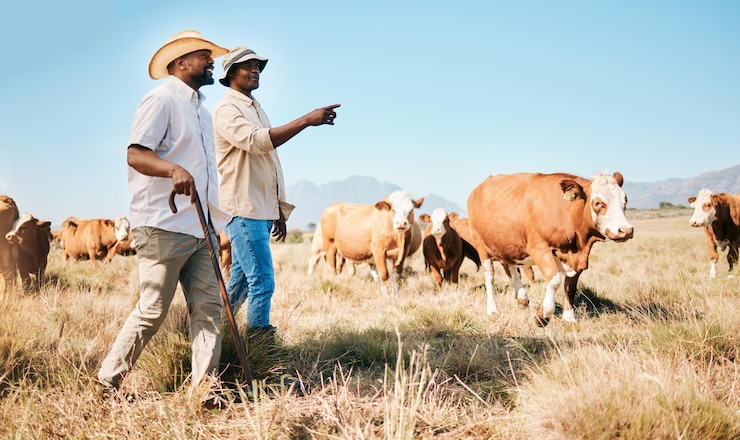
South Africa’s red meat industry will come together in Pretoria on 15 and 16 September 2026 for the Agri X Fusion Red Meat Value Chain Collaboration Summit, an event aimed at finding practical solutions to some of the challenges facing farmers and the wider livestock sector. The summit will bring together farmers, government representatives, research institutions, universities, financiers, technology providers and other agricultural organisations at Silver Lakes Golf Club. The event is the first initiative under the Agri X Fusion Industry-Academia Collaboration Event Series, which aims to connect South Africa’s existing agricultural knowledge and resources with real challenges on farms and throughout the value chain. For livestock farmers, the discussions are expected to focus on issues that directly affect production, profitability, market access and the long-term sustainability of farming businesses. The organisers want the summit to move beyond discussion and create practical partnerships that can lead to solutions that farmers can use.
The red meat industry is an important part of South Africa’s agricultural economy and plays a major role in food production, rural livelihoods and employment. Cattle, sheep and goats support thousands of farming businesses while creating economic activity across processing, transport, animal health, feed, equipment and other agricultural services. However, farmers face a range of pressures that can make it difficult to maintain profitable and resilient operations. Animal diseases, rising input costs, infrastructure limitations, climate risks, financing challenges and difficulties accessing markets can all affect farm performance. Bringing stakeholders together around these issues could help identify solutions that strengthen the entire red meat value chain and give farmers better support.
Koos Nel, CEO of Agri X Group, says the summit has been designed differently from a conventional agricultural conference. According to Nel, South Africa already has significant expertise within its universities, research institutions, agricultural organisations, technology companies and financial sector. The challenge is connecting these resources more effectively with the problems farmers and agricultural businesses are actually trying to solve. The Agri X Fusion approach therefore aims to give industry leaders an opportunity to explain their needs while bringing researchers, technology providers and financiers into the same discussions. For farmers, this could create stronger links between practical farming challenges and the people who have the knowledge, technology or financial resources to help address them.
Biosecurity and animal health will be among the important issues discussed at the summit because disease outbreaks can have serious consequences for livestock farmers. Animal diseases can lead to production losses, increased veterinary costs, movement restrictions and reduced access to valuable markets. Strong biosecurity measures can help farmers reduce these risks, but effective disease control also requires cooperation between farmers, veterinarians, government departments, researchers and other industry stakeholders. Better information, early disease detection, effective vaccination programmes and improved farm-level management can all contribute to stronger livestock health. Discussions at the summit could help identify areas where technology, research and government support can improve the industry’s ability to prevent and respond to animal health threats.
Competitiveness will also be important as farmers continue to manage rising costs and changing market conditions. Producers need to improve productivity while carefully managing expenditure on feed, breeding, veterinary services, labour, transport, equipment and infrastructure. Research and technology could help farmers make better decisions about herd management, production efficiency and resource use. Technology solutions may also improve record keeping, animal identification, monitoring and traceability. By connecting farmers and industry representatives with technology providers and researchers, the summit aims to encourage the development and adoption of solutions that can improve productivity without creating unnecessary costs for producers.
Market access and export growth will receive attention as the industry considers opportunities to expand the market for South African red meat. Access to international markets can create additional opportunities for producers, but exports depend on meeting strict animal health, traceability, quality and food safety requirements. Farmers therefore need a value chain that can consistently meet the standards demanded by both domestic and international buyers. Stronger cooperation between producers, processors, government and industry organisations can help address barriers that limit market access. Increased exports could support demand for locally produced red meat while contributing to economic activity in farming communities.
Inclusive growth will also form part of the discussions, particularly as South Africa continues to work towards broader participation in the agricultural economy. Emerging farmers require access to land, finance, technical support, markets, infrastructure and reliable agricultural services if they are to establish sustainable businesses. Partnerships between established farmers, government institutions, financial organisations, research bodies and agricultural businesses can help create opportunities for skills development and commercial participation. Supporting emerging producers can also contribute to the growth of the country’s livestock production base. A stronger and more inclusive red meat sector can benefit rural communities by creating opportunities for employment, enterprise development and local economic activity.
Finance will be another major concern for farmers because livestock production requires significant investment and farmers often need capital for breeding stock, infrastructure, equipment, feed and other operating costs. Access to suitable finance can be particularly important when farmers want to expand their operations or invest in measures that improve productivity and resilience. The summit will bring financiers and development institutions into discussions with agricultural stakeholders to explore funding and investment requirements. Risk management will also be considered because farmers operate under conditions that can change quickly due to weather, disease, market prices and other factors. Better financial products and risk-management approaches could help farmers invest in their businesses while managing some of the risks associated with agricultural production.
Infrastructure is closely linked to both productivity and market access. Farmers need reliable roads, handling facilities, water systems, electricity, fencing, livestock facilities and other infrastructure to operate efficiently. Poor infrastructure can increase transport costs, delay the movement of animals and products and make it more difficult for farmers to access markets and services. Investment in agricultural infrastructure can therefore have direct benefits for farm productivity and profitability. Bringing government, financiers and industry leaders into the same conversation could help identify infrastructure priorities and explore practical ways to finance and implement improvements.
Climate resilience will also be increasingly important for livestock farmers as changing weather conditions can affect grazing, water availability, feed supplies and animal health. Farmers need practical strategies that help them prepare for periods of drought, extreme heat and changing rainfall patterns. Research institutions and universities can contribute by developing and sharing information about livestock breeds, grazing systems, water management and other approaches that can improve resilience. Financial institutions can also play a role by developing financing solutions that support climate-smart investments. The summit provides an opportunity to connect these different areas of expertise with the practical needs of farmers.
Research and technology will receive particular attention through an innovation, research and investment showcase. Universities, research institutions and technology companies will have an opportunity to demonstrate solutions that could address challenges identified by the red meat industry. Farmers and industry representatives will also be able to explain the problems they need researchers and technology providers to solve. This two-way communication is important because agricultural research is most valuable when it can be applied effectively in real farming environments. Better connections between farmers and researchers could help speed up the development and adoption of technologies that improve animal health, productivity, traceability, resource management and business efficiency.
The second day of the summit will focus more directly on turning discussions into practical action. Agricultural economist and presidential envoy for agriculture and land Wandile Sihlobo will open the programme under the theme “From collaboration to implementation”. The focus on implementation is important because farmers need solutions that can be applied on farms rather than discussions that end when an event is over. The programme will include sessions on potential solutions, financing approaches and practical collaboration opportunities. Business matchmaking sessions will also connect participants around research partnerships, university-industry cooperation, investment, technology and agricultural development projects.
The organisers will also introduce a digital Agri X Fusion collaboration platform that participants can use to arrange one-on-one meetings and continue discussions after the summit. This could help maintain relationships between farmers, researchers, businesses, financiers and technology providers after the event. Koos Nel has stressed that the success of the initiative should not be measured simply by how many people attend or how many presentations take place. Instead, the focus should be on what happens after the summit, including research projects launched, investment secured, technologies adopted and partnerships established. For farmers, the real value will come from whether these collaborations eventually produce practical improvements in production, market access, animal health, financing and farm profitability.
The summit also presents an opportunity for farmers and producer organisations to make their priorities known to researchers, government officials, financial institutions and technology companies. Farmers understand the practical challenges of livestock production because they experience these challenges every day. Their input can help ensure that research and investment are directed towards problems that have a clear impact on agricultural businesses. Producer organisations can also help communicate industry-wide priorities and identify areas where cooperation could benefit a large number of farmers. Stronger farmer participation in these conversations can help ensure that solutions are designed with the realities of farming in mind.
The involvement of universities and research institutions could provide longer-term benefits for the red meat industry. South Africa has researchers working in areas such as animal health, genetics, nutrition, environmental management, agricultural economics and technology. Connecting these researchers more directly with farmers could create opportunities to test new ideas and develop solutions that respond to actual production challenges. It could also help identify research that is already available but has not yet reached enough farmers. Stronger relationships between agriculture and academia could therefore improve the movement of knowledge from research institutions to farms.
The Agri X Fusion Red Meat Value Chain Collaboration Summit comes at an important time for South African livestock farmers. The sector needs stronger cooperation to address animal health threats, improve competitiveness, expand market access, attract investment and prepare for climate-related risks. Farmers also need access to technology and research that can provide practical benefits without adding unnecessary complexity or costs to their operations. By bringing government, academia, financiers, technology providers and industry representatives together, the summit aims to create stronger connections between available resources and the challenges faced by farmers. If these discussions lead to practical projects, better investment, useful technologies and stronger partnerships, the initiative could contribute to a more resilient and competitive red meat sector.
The success of Agri X Fusion will ultimately depend on what happens after the meetings in Pretoria. Farmers need to see clear outcomes from discussions about biosecurity, financing, infrastructure, market access, research and technology. Industry leaders, government and supporting institutions will need to maintain the relationships established at the summit and follow through on agreed initiatives. The opportunity is significant because South Africa already has many of the skills, institutions, technologies and financial resources needed to strengthen its agricultural sector. By bringing these resources closer to the people who produce the country’s food, the Agri X Fusion Red Meat Value Chain Collaboration Summit could help turn industry challenges into practical opportunities for farmers, rural communities and the wider South African economy.
Join 'Farmers Mag' WhatsApp Channel
Get the latest Farming news and tips delivered straight to your WhatsApp
CLICK HERE TO JOIN