

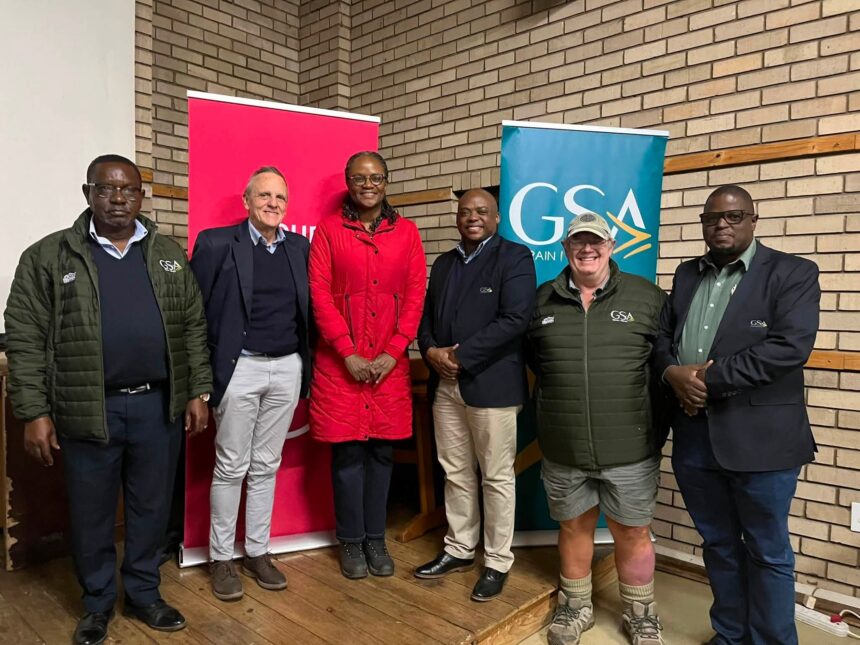
Farmers from Limpopo, KwaZulu-Natal and Mpumalanga gathered in Ermelo yesterday for the Absa AgriBusiness Farmers’ Day, creating an important platform for producers to access information, ask questions and connect with organisations that can support their agricultural businesses. The event brought together farmers from different provinces who are facing many of the same challenges, including access to finance, crop selection, pest management and technical support. Farmers arrived with practical questions about the documents required when applying for funding, which seeds to plant and how to respond when pests or diseases affect their crops. The gathering provided an opportunity for financial institutions, agricultural companies, technology platforms and research organisations to share information directly with producers. By bringing these stakeholders together in one place, the Farmers’ Day highlighted the importance of informed decision-making and strong support networks in building sustainable farming businesses.
Access to finance was one of the key areas addressed during the event, with Absa AgriBusiness explaining blended finance and how farmers can prepare for funding applications. For farmers seeking to expand their operations, funding can support investments in land preparation, equipment, infrastructure, production inputs and other business requirements. However, applying for agricultural finance requires careful preparation, and farmers need to understand what information and documentation financial institutions may require. Having clear financial records, a realistic business plan and relevant production information can help farmers present a stronger application. The discussion in Ermelo therefore provided farmers with practical information that can help them better understand the funding process and prepare for future financial opportunities.
The questions raised by farmers demonstrate that agricultural financing is only one part of the broader challenge of running a successful farming business. Producers also need to make informed decisions about what to plant, when to plant and how to manage their crops throughout the production cycle. Seed selection can influence crop performance, making it important for farmers to consider factors such as local conditions, soil characteristics, climate and the intended market. Choosing suitable varieties can help farmers manage production risks while improving their chances of achieving commercially viable yields. The information shared at the event gave farmers an opportunity to consider these decisions alongside financial planning and other aspects of their farming operations.
Bayer Crop Science Division South Africa contributed to the Farmers’ Day by providing information on seeds, crop protection and planning for the coming agricultural season. Crop protection is an important part of farm management because pests and diseases can reduce yields and affect the quality of agricultural products. Farmers need to monitor their crops regularly and understand how to identify potential problems before they become widespread. Proper planning can also help producers make informed decisions about inputs and crop protection measures while considering the specific conditions of their farms. Access to technical information from agricultural specialists can therefore help farmers improve their preparation for the next production season.
Pest and disease management was further addressed through the involvement of the FABI Diagnostic Clinic. The clinic is helping farmers understand how agricultural pests and diseases can be identified and managed, giving producers access to information that can assist with early detection. Early identification can be important because farmers who recognise signs of a problem quickly may be able to seek appropriate technical advice before the issue causes extensive damage. Diagnostic support can also help distinguish between different pests, diseases and other causes of crop problems. Providing farmers with access to this type of expertise strengthens their ability to make informed crop management decisions and respond more effectively to agricultural risks.
The participation of Khula and its partners added another dimension to the event by introducing farmers to production support available through their networks. Farmers often need assistance at different stages of production, from planning and sourcing inputs to managing operations and accessing markets. Agricultural technology and support platforms can help connect producers with services and information that may otherwise be difficult to access. These connections can be particularly useful for farmers who are looking to improve the efficiency of their operations and build stronger agricultural businesses. The presence of Khula at the event demonstrated how digital and support platforms can form part of a broader network available to modern farmers.
PGP also played a role in connecting farmers with organisations that can provide assistance with funding, production and technical advice. Building these connections is important because farmers often need support from several different organisations rather than a single service provider. Financial assistance may help with capital requirements, while technical experts can provide advice on production challenges and agricultural practices. Market and business support can then help farmers turn production into sustainable commercial activity. Events such as the Farmers’ Day can help bring these different forms of assistance closer to farmers by creating a direct platform for questions, networking and information sharing.
The event also highlighted the importance of farmers preparing for funding opportunities before they submit applications. Agricultural finance decisions depend on a range of factors, and farmers need to demonstrate that their businesses have a clear purpose, realistic financial requirements and the ability to operate sustainably. Good record-keeping can help farmers track production costs, income, assets and other important business information. Farmers can also benefit from reviewing their business plans regularly and ensuring that their funding requests are linked to specific production or expansion goals. The information shared by Absa AgriBusiness provided farmers with an opportunity to better understand these preparations and consider how they can strengthen their financial readiness.
For farmers from Limpopo, KwaZulu-Natal and Mpumalanga, the event also created an opportunity to learn from producers operating in different agricultural environments. Each province has its own production conditions, crops, livestock activities and market opportunities, but farmers across the regions can still face similar challenges. Sharing experiences can help producers learn about approaches that other farmers are using to manage production risks, access support or develop their businesses. It can also create opportunities for networking and future collaboration between agricultural enterprises. Bringing farmers together across provincial boundaries therefore adds value beyond the formal presentations because it encourages knowledge exchange among producers themselves.
The focus on crop protection was particularly relevant as farmers prepare for another production season. Pests and diseases can affect farms at different stages of crop development, and effective management requires farmers to monitor their fields and respond to problems based on accurate information. Farmers should also understand that not every visible crop problem has the same cause, which makes proper identification important before management decisions are made. Access to diagnostic services and agricultural specialists can help producers avoid relying on assumptions when dealing with unfamiliar symptoms. The information provided by Bayer Crop Science and the FABI Diagnostic Clinic gave farmers practical avenues for improving their approach to crop health and protection.
The Farmers’ Day also reinforced the importance of planning across the entire agricultural production cycle. Farmers need to consider finance, seed selection, crop protection, inputs, production methods, labour, logistics and markets when preparing for a new season. Decisions made before planting can have an impact on costs, yields and profitability later in the season. Planning also allows farmers to identify potential risks and determine where they may need external support. The combination of financial, technical and production information presented in Ermelo gave farmers a broader view of what they need to consider when developing their operations.
Agricultural development also depends on building relationships between farmers and the organisations that support the sector. Financial institutions, agricultural companies, research organisations, technology platforms and farmer support networks each have different areas of expertise. When these stakeholders work together, farmers can access a wider range of information and services that can help them address challenges. However, farmers also need to actively engage with these opportunities and apply relevant information to their own production circumstances. The Ermelo gathering demonstrated how collaborative events can create a practical link between farmers and organisations that have resources, knowledge and services to offer.
Growing a farming business requires time, discipline and careful decision-making, and farmers need reliable information to navigate the risks involved. Access to finance can help a business grow, but financial support needs to be combined with sound production planning and effective management. Likewise, good seed and crop protection products can support production, but farmers still need to understand their local conditions and monitor their crops carefully. Technical advice, diagnostic services and production support can help farmers respond to challenges before they become more difficult or expensive to manage. The discussions in Ermelo showed that successful farming depends on combining these different elements rather than relying on one form of support.
The Absa AgriBusiness Farmers’ Day in Ermelo provided farmers from Limpopo, KwaZulu-Natal and Mpumalanga with a valuable opportunity to ask practical questions and connect with organisations that can support their agricultural journeys. Absa AgriBusiness addressed funding preparation and blended finance, while Bayer Crop Science shared information on seeds, crop protection and seasonal planning. Khula and its partners outlined production support, FABI Diagnostic Clinic provided guidance on identifying and managing pests and diseases, and PGP helped connect farmers with organisations offering financial, production and technical assistance. The event demonstrated that farmers can benefit from building strong networks and seeking reliable information before making important production and investment decisions. With careful planning, appropriate financial preparation, sound crop management and access to the right technical support, farmers can strengthen their businesses and improve their prospects for sustainable growth.
Join 'Farmers Mag' WhatsApp Channel
Get the latest Farming news and tips delivered straight to your WhatsApp
CLICK HERE TO JOIN




