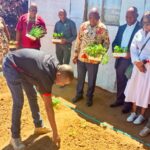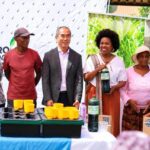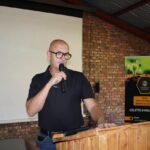
Successful farming is built on more than planting seeds, caring for crops and producing a quality harvest. While growing fresh produce remains a critical part of agriculture, farmers also need strong market knowledge to ensure their products reach the right buyers and generate sustainable income. The Gauteng Department of Agriculture and Rural Development (GDARD) recently highlighted this important connection through its Fresh Produce Marketing Workshop held at The Parktonian All-Suite Hotel in Braamfontein. The workshop focused on helping farmers understand the journey beyond production by developing skills in marketing, product standards and value addition. By combining agricultural knowledge with business understanding, the programme aims to help producers become more competitive and better prepared for the demands of the fresh produce industry.
The first day of the workshop created an environment focused on learning, collaboration and practical growth for participants involved in agriculture. Farmers and agricultural stakeholders gathered to explore the realities of South Africa’s fresh produce market and the opportunities available within the sector. The sessions focused on helping producers understand how market systems operate, what buyers expect and how quality standards influence commercial success. Having a strong understanding of the market allows farmers to make better production decisions before planting begins. The workshop reinforced the idea that successful farming requires a balance between growing quality products and understanding how to sell them effectively.
South Africa’s fresh produce sector offers significant opportunities for farmers, but it also presents challenges that require knowledge and preparation. Producers must understand supply chains, consumer expectations, pricing trends and the relationships between farmers, markets, retailers and consumers. Without proper market information, farmers may struggle to secure profitable buyers even when they produce high-quality crops. The workshop provided participants with insights into the structure of the fresh produce landscape and how they can position themselves more effectively within it. Learning how markets function helps farmers reduce uncertainty and build stronger agricultural businesses.
One of the key areas covered during the workshop was agricultural product standards. Quality standards play an important role in determining whether fresh produce can successfully enter formal markets such as supermarkets, wholesalers and export channels. Farmers need to understand requirements related to grading, packaging, food safety and consistency to meet buyer expectations. These standards protect consumers while also helping producers build trust and credibility within the marketplace. By learning about these requirements, participants gained valuable information that can improve the quality and marketability of their produce.
The workshop also highlighted the importance of agro-processing as a way for farmers to increase the value of their products. Instead of selling only raw agricultural goods, producers can explore opportunities to process, package and transform their harvests into higher-value products. Agro-processing can extend shelf life, reduce waste and create additional income streams for farmers. Examples include turning fresh produce into sauces, dried products, frozen goods and other processed food items that attract different customers. Encouraging farmers to explore value addition supports agricultural entrepreneurship and creates opportunities beyond traditional farming.
For many small-scale and emerging farmers, accessing profitable markets remains one of the biggest barriers to growth. Producing a successful harvest does not automatically guarantee financial success if farmers lack the connections, information or business skills needed to sell their products. Marketing workshops provide farmers with tools to understand customer needs, develop stronger business strategies and identify suitable market opportunities. The knowledge gained from these programmes can help producers move from subsistence farming towards more commercially focused operations. Strong marketing skills allow farmers to take greater control of their businesses and improve their long-term sustainability.
The Gauteng Department of Agriculture and Rural Development’s initiative reflects the importance of supporting farmers throughout the entire agricultural value chain. Agricultural development is not only about providing access to land, seeds or production resources. Farmers also need training, mentorship and market support to ensure their efforts translate into profitable enterprises. By organising workshops that focus on marketing and business development, GDARD is helping address challenges that often limit agricultural growth. These efforts contribute to building a stronger farming sector that can create employment, improve food security and support economic development.
The choice of The Parktonian All-Suite Hotel in Braamfontein as the venue also created a professional setting where farmers and agricultural stakeholders could engage with experts and exchange ideas. A learning environment that encourages discussion and collaboration allows participants to share experiences while gaining new perspectives. Agriculture continues to evolve, and farmers benefit from opportunities to learn about new technologies, market trends and business practices. Bringing together different agricultural players strengthens networks and encourages partnerships that can support future growth. These connections can become valuable resources as farmers continue developing their enterprises.
The Fresh Produce Marketing Workshop demonstrates that agriculture is a journey that begins with the seed but continues far beyond the harvest. Farmers who combine production skills with market knowledge are better positioned to succeed in an increasingly competitive agricultural environment. Understanding customer requirements, meeting quality standards and exploring agro-processing opportunities can transform farming operations into stronger businesses. Initiatives that provide farmers with these skills help create a more resilient and commercially capable agricultural sector. The workshop serves as a reminder that the future of farming depends not only on what farmers grow but also on how effectively they connect their products with the market.
As the Gauteng Department of Agriculture and Rural Development continues supporting farmers through knowledge-sharing initiatives, programmes like the Fresh Produce Marketing Workshop provide important pathways for agricultural growth. The combination of strong production practices, market awareness and business innovation can help farmers unlock new opportunities and improve their livelihoods. A successful harvest is an important achievement, but understanding how to navigate the market determines whether that harvest becomes a sustainable source of income. By investing in farmer education and market readiness, Gauteng is helping build a future where producers are better equipped to compete, grow and contribute to South Africa’s agricultural success.
Join 'Farmers Mag' WhatsApp Channel
Get the latest Farming news and tips delivered straight to your WhatsApp
CLICK HERE TO JOIN