Starting a vegetable garden for profit is one of the most practical ways to enter South Africa’s agricultural sector. Fresh vegetables are essential to daily diets and are in constant demand from households, supermarkets, restaurants, schools and informal traders. With careful planning and proper management, even a relatively small piece of land can generate a reliable income throughout the year. Unlike many long-term farming investments, vegetables often have short growing cycles, allowing farmers to harvest and sell multiple crops annually. For aspiring farmers, vegetable production offers an opportunity to build a sustainable business while contributing to food security and creating employment within local communities.
One of the first steps in establishing a profitable vegetable garden is selecting the right location. The land should receive at least six to eight hours of direct sunlight each day because most vegetables require plenty of sunlight to grow well. Access to a reliable water source is equally important since consistent irrigation directly affects crop growth and quality. Farmers should also consider proximity to potential markets because shorter transport distances help reduce costs and keep vegetables fresh. Choosing land with fertile, well-drained soil provides a strong foundation for successful vegetable production and reduces the need for costly soil improvements.
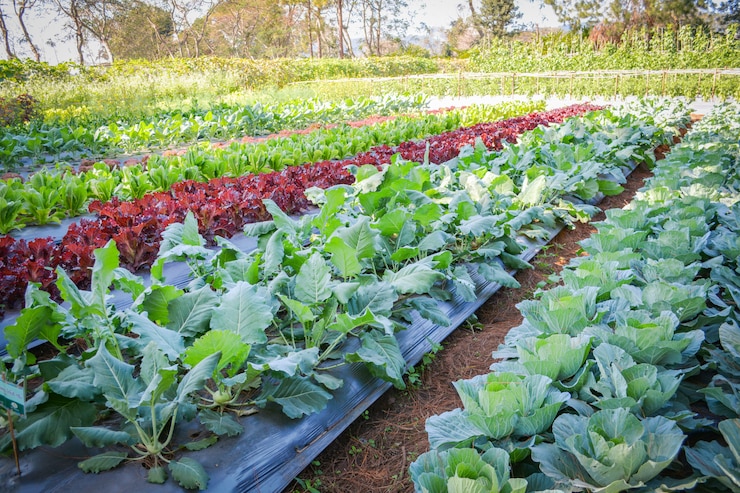
South Africa’s diverse climate allows farmers to grow a wide variety of vegetables depending on the region and season. Popular crops include spinach, cabbage, tomatoes, onions, carrots, green peppers, beetroot, lettuce, beans and butternut. Beginners should focus on vegetables that are well suited to local weather conditions and have consistent demand in nearby markets. Growing crops that mature at different times also helps maintain a steady income throughout the year instead of relying on a single harvest. Conducting basic market research before planting enables farmers to choose crops that offer the best commercial potential.
Soil preparation is one of the most important factors influencing vegetable yields. Healthy soil provides plants with the nutrients, water and structure needed for strong growth. Farmers should begin by removing weeds, stones and crop residues before cultivating the land thoroughly. Adding compost or well-decomposed manure improves soil fertility, enhances water retention and encourages beneficial soil organisms. A soil test is highly recommended because it identifies nutrient levels and pH, allowing farmers to apply the correct fertilizers and soil amendments before planting.
Choosing high-quality seeds or seedlings significantly improves the chances of producing healthy crops. Certified seeds from reputable suppliers usually offer better germination rates, stronger disease resistance and more uniform growth. While saving money on poor-quality planting material may seem attractive, it often leads to lower yields and reduced profitability. Farmers should also select vegetable varieties that are adapted to local growing conditions and preferred by consumers. Producing vegetables that meet customer expectations increases the likelihood of repeat sales and stronger business growth.
Proper irrigation is essential for maintaining healthy vegetable crops. Vegetables generally require regular watering because many have shallow root systems that dry out quickly during hot weather. Drip irrigation is often considered one of the most efficient methods because it delivers water directly to the root zone while reducing waste through evaporation. Farmers who rely on manual watering should ensure that crops receive consistent moisture without becoming waterlogged. Monitoring weather conditions and adjusting irrigation schedules helps conserve water while maintaining healthy plant growth.
Fertilization plays a major role in producing high-quality vegetables. Different crops require different nutrient levels during their growth stages, making balanced fertilizer application essential. Nitrogen promotes leafy growth, phosphorus supports root development and potassium improves fruit quality and overall plant health. Organic fertilizers and compost can also contribute valuable nutrients while improving soil structure over time. Following fertilizer recommendations based on soil analysis helps farmers maximize production while avoiding unnecessary input costs.
Weed control is another essential part of profitable vegetable farming. Weeds compete directly with crops for sunlight, nutrients and water, reducing both yields and crop quality. Farmers can manage weeds through manual removal, mulching, cultivation or carefully selected herbicides where appropriate. Organic mulch also helps conserve soil moisture while suppressing weed growth and improving soil health as it decomposes. Maintaining clean planting areas allows vegetables to develop without unnecessary competition.
Pests and diseases can significantly reduce vegetable production if they are not managed effectively. Common pests such as aphids, caterpillars and whiteflies can damage crops, while fungal and bacterial diseases may spread rapidly under favourable conditions. Regular field inspections help farmers detect problems early before they become severe. Integrated pest management combines crop rotation, biological control methods, resistant varieties and responsible pesticide use to minimize losses. Preventative management often proves more effective and less expensive than treating widespread infestations.
Crop rotation is an important strategy for maintaining healthy soil and reducing pest and disease problems. Repeatedly planting the same vegetable in the same area can encourage the buildup of harmful insects, diseases and nutrient imbalances. Rotating vegetables with different crop families interrupts pest life cycles and improves overall soil health. Including legumes such as beans in rotation plans can also help improve soil fertility through natural nitrogen fixation. Well-planned crop rotation contributes to sustainable vegetable production over many growing seasons.
Harvesting vegetables at the correct stage of maturity is essential for maintaining quality and maximizing profits. Different vegetables have different harvesting times, and picking crops too early or too late can reduce their market value. Fresh vegetables should be handled carefully to prevent bruising and physical damage during harvesting and transport. Sorting and grading produce according to size and quality improves presentation and allows farmers to target different market segments. Clean, attractive produce is more likely to attract buyers and command higher prices.
Marketing is just as important as growing the vegetables themselves. Farmers can sell directly to consumers through local markets, roadside stalls and community vegetable boxes or supply wholesalers, supermarkets, restaurants and schools. Building relationships with reliable buyers creates stable demand and improves business planning. Social media platforms and messaging applications also provide affordable ways to advertise fresh produce and communicate with customers. Diversifying sales channels reduces dependence on a single market and strengthens business resilience.
Financial planning is essential for turning a vegetable garden into a profitable enterprise. Farmers should prepare a budget that includes seed costs, fertilizers, irrigation, labour, equipment, transport and packaging. Keeping accurate financial records helps identify profitable crops and areas where costs can be reduced. Reinvesting profits into improved irrigation systems, storage facilities or additional land can support gradual business expansion. Good financial management helps ensure that the business remains sustainable during both favourable and challenging seasons.
Climate change is becoming an increasingly important consideration for vegetable farmers in South Africa. Rising temperatures, irregular rainfall and prolonged droughts can affect crop yields and production costs. Farmers can improve resilience by adopting climate-smart farming practices such as mulching, rainwater harvesting, efficient irrigation and selecting drought-tolerant crop varieties. Conserving soil moisture and improving soil health also help crops perform better during periods of water stress. Preparing for changing weather conditions strengthens the long-term sustainability of vegetable farming businesses.
Starting a vegetable garden for profit in South Africa offers excellent opportunities for individuals who are willing to invest time, effort and careful planning into their farming operations. Success depends on selecting suitable crops, preparing healthy soil, managing water efficiently, controlling pests and diseases and developing reliable marketing channels. Farmers who combine sound production practices with good business management are better positioned to generate consistent income and build successful agricultural enterprises. As demand for fresh, locally produced vegetables continues to grow, profitable vegetable farming remains an accessible entry point into commercial agriculture. With dedication, continuous learning and a focus on quality, a vegetable garden can grow into a thriving business that supports food security, creates employment and contributes to the growth of South Africa’s agricultural economy.
Join 'Farmers Mag' WhatsApp Channel
Get the latest Farming news and tips delivered straight to your WhatsApp
CLICK HERE TO JOIN