The North West Department of Agriculture and Rural Development has reached a significant milestone in its efforts to protect the province’s livestock industry by vaccinating more than one million animals against Foot-and-Mouth Disease. This achievement marks an important step in controlling the spread of one of the most serious animal diseases affecting the agricultural sector. The large-scale vaccination campaign reflects the department’s commitment to safeguarding animal health while supporting farmers whose livelihoods depend on healthy livestock. It also demonstrates the importance of coordinated action between government, veterinary professionals and farming communities in responding to disease outbreaks. As South Africa continues to strengthen its livestock sector, this milestone provides renewed confidence that effective disease control measures can protect both the agricultural economy and rural livelihoods.
Foot-and-Mouth Disease is a highly contagious viral disease that affects cloven-hoofed animals such as cattle, sheep, goats and pigs. Although the disease does not usually pose a major threat to human health, it can have devastating economic consequences for livestock producers and the broader agricultural industry. Infected animals may experience fever, mouth sores, lameness and reduced productivity, while outbreaks often lead to movement restrictions and disruptions in domestic and international trade. These challenges can result in substantial financial losses for farmers and negatively affect the entire livestock value chain. Preventing and controlling the disease is therefore essential to maintaining a healthy and competitive livestock industry.
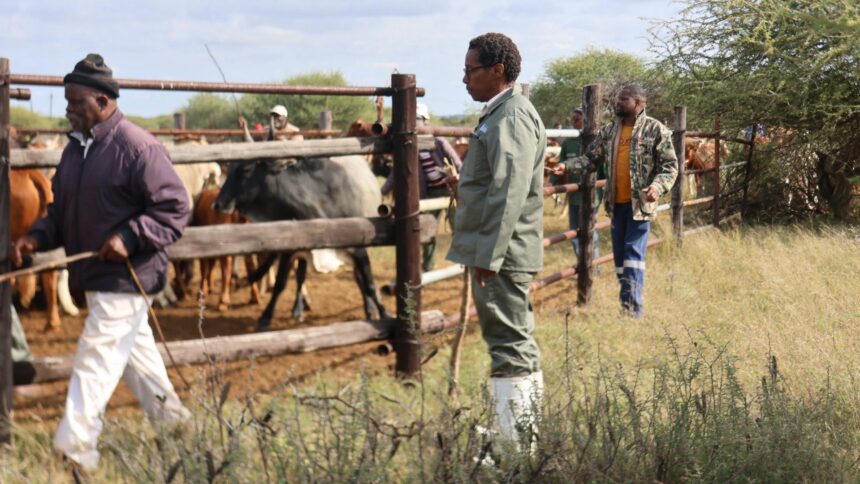
The successful vaccination of more than one million animals highlights the scale and effectiveness of the North West Department of Agriculture and Rural Development’s response to the outbreak. Reaching this milestone required careful planning, strong veterinary services and close collaboration with livestock owners across the province. Veterinary teams worked with farmers to ensure animals were vaccinated efficiently while maintaining high animal health standards throughout the campaign. Farmers also played an essential role by making their livestock available for vaccination and cooperating with disease control measures. This partnership has been instrumental in limiting the spread of the disease and protecting livestock populations in affected areas.
Vaccination is one of the most effective tools available for controlling Foot-and-Mouth Disease and reducing the risk of future outbreaks. By building immunity within livestock populations, vaccination helps slow disease transmission and protects animals from severe illness. This not only improves animal welfare but also supports the long-term productivity of farms that rely on healthy herds and flocks. Strong disease prevention measures reduce the likelihood of widespread outbreaks that can disrupt agricultural production and increase financial pressure on farming businesses. Continued vaccination efforts, combined with surveillance and responsible livestock management, remain essential components of an effective disease control strategy.
The impact of the vaccination campaign extends beyond individual farms and benefits the wider agricultural economy. Healthy livestock contribute to stable meat and dairy production while supporting employment throughout the agricultural value chain. Successful disease control also strengthens confidence among livestock producers, buyers and trading partners by demonstrating that effective measures are in place to protect animal health. Rebuilding confidence in the livestock sector is particularly important following disease outbreaks that may affect market access and consumer trust. The department’s achievement sends a positive message that the province is taking decisive action to strengthen its agricultural future.
The North West Department of Agriculture and Rural Development’s achievement of vaccinating more than one million animals against Foot-and-Mouth Disease represents a major victory for animal health and the agricultural sector. The milestone reflects the dedication of veterinary teams, government officials and farmers who worked together to contain the outbreak and protect the province’s livestock. Their collective efforts are helping to reduce the spread of disease, improve farm productivity and strengthen the resilience of the livestock industry. Continued investment in animal health programs and strong partnerships with farming communities will be essential for maintaining this progress in the years ahead. By safeguarding livestock today, the province is helping secure a stronger, more sustainable future for agriculture, rural development and food security across South Africa.
Join 'Farmers Mag' WhatsApp Channel
Get the latest Farming news and tips delivered straight to your WhatsApp
CLICK HERE TO JOIN