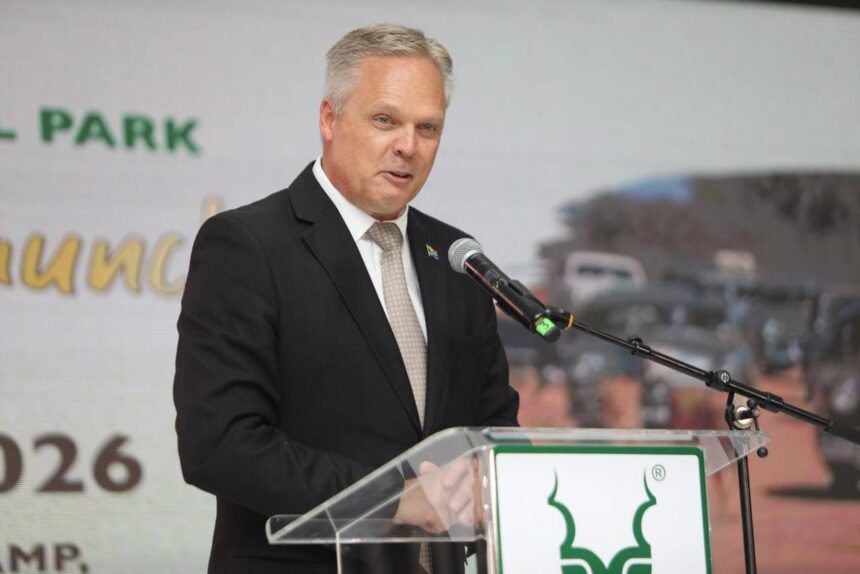
The National Department of Agriculture has officially welcomed Minister Willem Aucamp following his appointment as South Africa’s new Minister of Agriculture. His appointment marks the beginning of a new chapter for one of the country’s most important economic sectors, which plays a vital role in food production, rural development and employment. As he assumes office, expectations are high that his leadership will strengthen agricultural policies, support farmers and improve the long-term sustainability of the industry. Agriculture remains a cornerstone of South Africa’s economy, supplying food to millions of people while contributing significantly to exports and job creation. The department’s message of support reflects its commitment to working closely with the new minister to achieve shared national objectives.
The Department of Agriculture has extended its best wishes to Minister Aucamp as he takes on the responsibility of leading a sector that faces both significant opportunities and complex challenges. South African agriculture continues to navigate issues such as climate change, rising production costs, animal disease management and expanding access to international markets. At the same time, the sector continues to demonstrate resilience through innovation, improved farming practices and growing investment. Effective leadership will be essential in helping farmers adapt to these changing conditions while ensuring that agricultural growth remains inclusive and sustainable. The department has reaffirmed its readiness to support the minister in addressing these priorities.
Food security remains one of the most important responsibilities attached to the Ministry of Agriculture. Ensuring that South Africans have reliable access to safe and nutritious food requires strong collaboration between government, farmers, researchers and the private sector. Minister Aucamp will oversee policies and initiatives that support increased agricultural productivity while protecting the country’s natural resources. Continued investment in crop production, livestock farming and agricultural infrastructure will be essential to maintaining stable food supplies. As population growth and climate pressures continue to shape the sector, food security will remain a central focus of national agricultural policy.
Supporting farmers across all levels of production is another key priority under the new minister’s leadership. South Africa’s agricultural landscape includes commercial producers, smallholder farmers and emerging agricultural entrepreneurs who all contribute to the country’s food system. Each group faces unique challenges, including access to finance, modern technology, markets and production inputs. Government support programmes, farmer development initiatives and extension services will continue to play an important role in helping producers improve productivity and build sustainable businesses. Strengthening these support systems can contribute to increased agricultural output and stronger rural economies.
The department has also emphasized the importance of advancing inclusive agricultural growth that benefits all South Africans. Inclusive growth involves creating opportunities for historically disadvantaged farmers while supporting transformation throughout the agricultural value chain. This includes improving access to land, training, infrastructure and commercial markets for emerging producers. Building a more inclusive sector helps strengthen rural communities, promotes entrepreneurship and creates additional employment opportunities. By encouraging broader participation in agriculture, South Africa can unlock new sources of economic growth while improving social development.
Building a resilient agricultural sector is another major objective highlighted by the department. Resilience involves preparing farmers and agricultural institutions to respond effectively to challenges such as droughts, floods, animal diseases and changing global market conditions. Investment in climate-smart farming practices, research and technological innovation will remain important as producers adapt to environmental and economic changes. Strengthening resilience also requires improved infrastructure, efficient supply chains and strong partnerships between government and industry stakeholders. These efforts help ensure that agriculture continues to perform even during periods of uncertainty.
Competitiveness in international markets remains critical for South Africa’s agricultural industry. The country exports a wide range of products, including fresh fruit, wine, grains, meat and other agricultural commodities to destinations around the world. Expanding market access and maintaining high production standards are essential for supporting export growth and attracting investment. Minister Aucamp’s leadership will include working with industry partners to strengthen South Africa’s reputation as a reliable supplier of quality agricultural products. Continued progress in trade negotiations and compliance with international standards will contribute to long-term sector growth.
Sustainability is equally important as South Africa works to balance increased agricultural production with responsible environmental management. Protecting soil health, conserving water resources and preserving biodiversity are essential for maintaining productive farmland for future generations. Farmers are increasingly adopting sustainable production methods that improve efficiency while reducing environmental impact. Government policies that encourage responsible resource management will help ensure that agriculture remains productive despite changing climate conditions. Sustainable farming practices also contribute to stronger food systems and greater resilience across the sector.
The Department of Agriculture has reaffirmed its commitment to working alongside Minister Aucamp in achieving these ambitious goals. The department recognizes that collaboration between government, agricultural organizations, research institutions and farming communities is essential for lasting success. Strong partnerships will help accelerate innovation, improve service delivery and strengthen support for producers throughout the country. By combining policy leadership with technical expertise and stakeholder engagement, the sector can continue building on its existing strengths. This cooperative approach will remain central to driving agricultural development in the years ahead.
The appointment of Minister Willem Aucamp represents an important opportunity to strengthen South Africa’s agricultural sector and build on its significant achievements. The National Department of Agriculture’s warm welcome reflects confidence in the shared mission of promoting food security, supporting farmers and advancing inclusive agricultural growth. With continued collaboration, investment and innovation, the sector is well positioned to contribute to economic growth, create employment and improve rural livelihoods. As South Africa faces evolving agricultural challenges and opportunities, strong leadership and coordinated action will remain essential. The department’s commitment to supporting the new minister demonstrates a collective determination to build a resilient, competitive and sustainable agricultural sector that benefits current and future generations.
Join 'Farmers Mag' WhatsApp Channel
Get the latest Farming news and tips delivered straight to your WhatsApp
CLICK HERE TO JOIN