

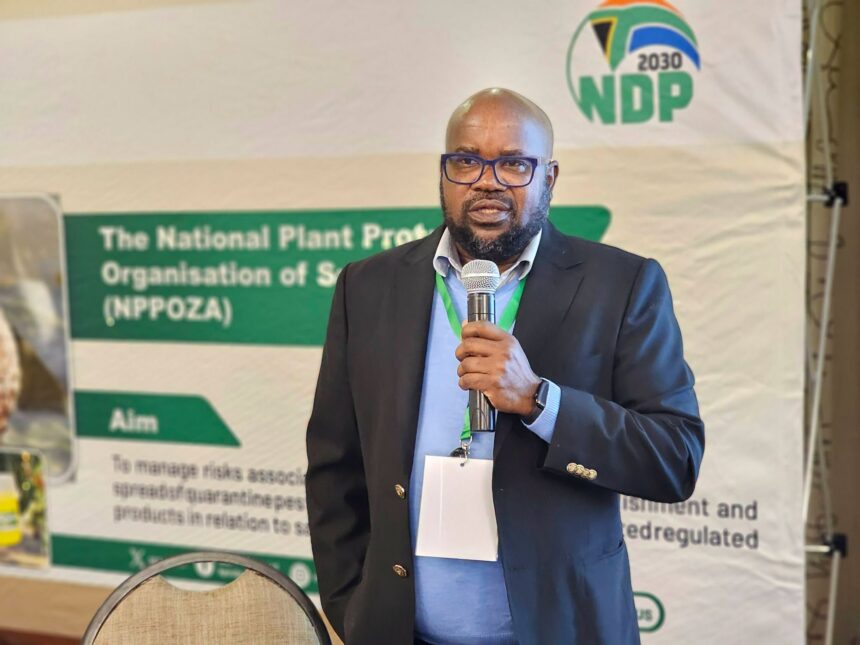
South Africa continues to play an active role in protecting agriculture and supporting global food security through its participation in the development of international plant health standards. Today, the National Department of Agriculture, through the National Plant Protection Organisation of South Africa (NPPOZA), is hosting the Scientific Review of Draft International Standards for Phytosanitary Measures (ISPMs) Workshop in Gauteng. The workshop brings together scientists, technical specialists, policymakers and other key stakeholders to review proposed international standards that guide plant health management around the world. These discussions are essential for ensuring that phytosanitary measures remain effective, science based and responsive to emerging agricultural challenges. The event also demonstrates South Africa’s commitment to strengthening both national and international efforts to protect crops, biodiversity and agricultural trade.
Plant health is one of the most important foundations of a productive agricultural sector. Healthy plants provide food for people and livestock while supporting industries that depend on crops for raw materials and exports. When pests and plant diseases spread unchecked, they can significantly reduce crop yields, threaten food supplies and cause major financial losses for farmers. They can also disrupt international trade by preventing agricultural products from meeting the phytosanitary requirements of importing countries. Maintaining strong plant protection systems therefore benefits producers, consumers and national economies alike.
The International Standards for Phytosanitary Measures, commonly known as ISPMs, provide globally recognized guidelines for preventing the introduction and spread of plant pests and diseases. These standards are developed under the framework of the International Plant Protection Convention and are used by countries around the world to support safe agricultural trade while protecting natural ecosystems. They establish consistent approaches for pest surveillance, inspections, quarantine measures, pest risk analysis and certification procedures. By following internationally agreed standards, countries can reduce trade barriers while maintaining high levels of plant health protection. Regular scientific reviews ensure that these standards remain relevant as new research, technologies and plant health risks emerge.
The workshop in Gauteng provides an important opportunity for South African experts to examine draft international standards before they are finalized. Scientists and technical specialists carefully assess whether the proposed measures are practical, scientifically sound and appropriate for implementation. Their contributions help strengthen the quality of the standards while ensuring that they address the realities faced by agricultural producers and regulatory authorities. Open discussion among experts also allows different perspectives to be considered before recommendations are submitted through the international standard setting process. This collaborative approach improves the credibility and effectiveness of future phytosanitary measures.
Protecting plant health has become increasingly important as global trade, climate change and international travel create new opportunities for pests and diseases to spread across borders. Invasive insects, fungi, bacteria and viruses can quickly establish themselves in new environments if effective prevention systems are not in place. Once introduced, many plant pests are difficult and expensive to control, often causing long term damage to agricultural production and natural ecosystems. Strong phytosanitary measures reduce these risks by identifying threats early and preventing their movement through international trade. Continuous scientific evaluation helps ensure that prevention strategies remain effective against evolving threats.
South Africa’s participation in reviewing international phytosanitary standards also supports the country’s agricultural export sector. Many South African fruits, vegetables, grains and other agricultural products are sold in international markets that require strict compliance with plant health regulations. Meeting these standards helps maintain market access and strengthens the country’s reputation as a reliable supplier of safe, high quality agricultural products. Strong phytosanitary systems also reduce the likelihood of export restrictions resulting from pest outbreaks or non compliance with international requirements. As agricultural exports continue to contribute significantly to the economy, maintaining effective plant health standards remains a national priority.
Another important focus of the workshop is biodiversity protection. Native plants and natural ecosystems face significant risks when invasive pests and diseases enter new environments. These threats can damage forests, grasslands, conservation areas and indigenous plant species that are essential for ecological balance. Effective phytosanitary measures help prevent the introduction of harmful organisms before they become established and difficult to manage. By strengthening international standards, countries work together to protect both agricultural production and environmental sustainability. This integrated approach recognizes the close relationship between healthy ecosystems and successful farming.
The workshop also contributes to global food security by supporting sustainable crop production. Healthy plants are essential for producing enough food to meet the needs of growing populations. Effective pest prevention reduces crop losses, improves productivity and helps farmers maintain stable harvests despite increasing environmental challenges. Strong international standards encourage countries to cooperate in monitoring and managing plant health threats before they spread across regions. This cooperation strengthens the resilience of global food systems while supporting long term agricultural sustainability.
The National Plant Protection Organisation of South Africa plays a critical role in implementing plant health policies and ensuring compliance with international phytosanitary obligations. Its responsibilities include pest surveillance, inspections, quarantine services, import and export certification and technical support for plant health management. Hosting scientific engagements such as this workshop reflects the organization’s commitment to evidence based decision making and continuous improvement. Bringing together experts from different fields creates opportunities to share knowledge, evaluate new research and develop stronger strategies for protecting agriculture. These collaborative efforts help ensure that South Africa remains prepared to respond to emerging plant health challenges.
The Scientific Review of Draft International Standards for Phytosanitary Measures Workshop represents another important step in strengthening plant health systems both nationally and internationally. By bringing together scientists, government officials and industry stakeholders, the National Department of Agriculture and NPPOZA are helping shape international standards that protect crops, biodiversity and agricultural trade. Their work supports safer movement of agricultural products while reducing the risks posed by harmful pests and plant diseases. Continued participation in the development of science based phytosanitary standards will help safeguard South Africa’s agricultural future and strengthen global food security. Through collaboration, research and international cooperation, the country continues to demonstrate its commitment to sustainable agriculture and the protection of plant health for future generations.
Join 'Farmers Mag' WhatsApp Channel
Get the latest Farming news and tips delivered straight to your WhatsApp
CLICK HERE TO JOIN




