Every successful harvest starts with one of the most important decisions a farmer can make, choosing the right seed. Selecting a cultivar that is well suited to local growing conditions can have a significant impact on crop performance, yield, profitability and resilience throughout the growing season. To support this critical decision, South Africa relies on the National Cultivar Evaluation Programme (NCEP), a scientific initiative led by the Agricultural Research Council’s Small Grain division. The programme provides farmers with reliable, independent information about the performance of different cultivars under local production conditions. By generating science-based data, the NCEP helps producers make informed planting decisions that reduce risk and improve agricultural productivity.
The National Cultivar Evaluation Programme plays a vital role in strengthening South Africa’s grain industry by evaluating cultivars across a wide range of production environments. Rather than testing seed in only one location, researchers assess cultivars under different climate conditions, soil types and farming systems to determine how they perform across the country’s diverse agricultural regions. These evaluations provide valuable information about each cultivar’s strengths and limitations before farmers invest in planting large areas. The programme focuses on generating objective results that producers can trust when selecting seed for their farms. This independent approach gives farmers confidence that their decisions are based on scientific evidence rather than marketing claims.
A major objective of the programme is to assess the yield potential of different cultivars under real farming conditions. High-yielding cultivars can improve farm profitability by producing larger harvests when managed correctly and matched to suitable production environments. However, yield is only one part of the evaluation process because long-term success depends on several other important characteristics. Researchers also assess how well cultivars adapt to different environmental conditions, allowing farmers to identify varieties that perform consistently despite changing weather patterns or regional differences. These evaluations help producers balance productivity with stability, an increasingly important consideration as agriculture faces the effects of climate variability.
Disease resistance is another essential component of cultivar evaluation. Crop diseases can significantly reduce grain quality and yield while increasing production costs through additional chemical treatments and crop losses. Identifying cultivars with strong natural resistance allows farmers to better protect their crops while reducing dependence on disease control measures. Improved disease resistance also supports more sustainable farming by helping producers maintain healthy crops with fewer inputs. By evaluating resistance under local conditions, the programme ensures that farmers receive practical recommendations relevant to the diseases commonly found in their production regions.
Grain quality is equally important because it influences both market value and end-use performance. Different markets require grain that meets specific standards for milling, baking, malting or other processing purposes. Through the National Cultivar Evaluation Programme, researchers assess quality characteristics alongside agronomic performance to ensure recommended cultivars meet industry expectations. Farmers benefit from this information by selecting cultivars that not only produce good yields but also satisfy the quality requirements of buyers and processors. This strengthens the competitiveness of South African grain in both domestic and export markets.
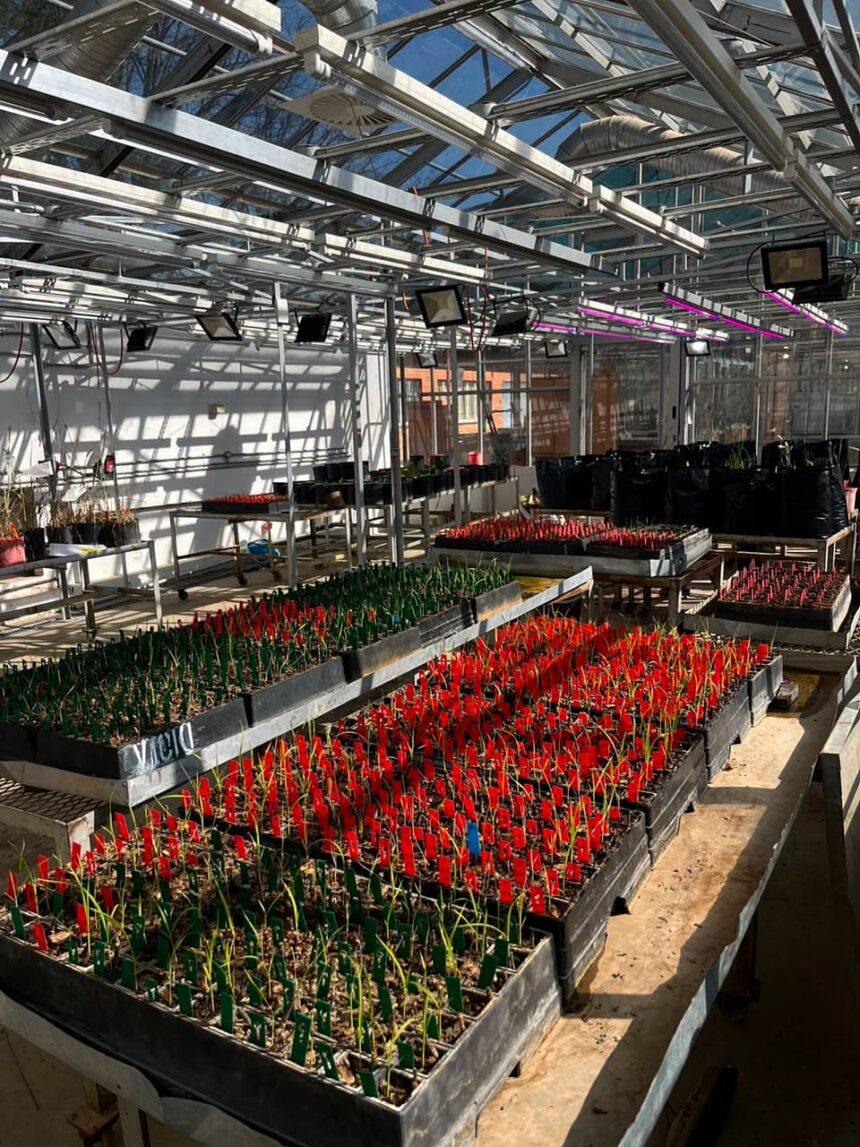
The success of the programme depends on the dedication of researchers, technicians and support staff who work throughout the growing season to collect accurate and reliable data. Their work begins months before harvest with careful trial planning and planting, followed by continuous monitoring of crop development under different environmental conditions. Throughout the season, teams record detailed observations on plant growth, disease occurrence, adaptability and overall performance. After harvest, the collected information is carefully analyzed to produce independent recommendations for farmers and the broader grain industry. This extensive scientific process ensures that the results published by the programme are accurate, credible and valuable to producers.
The information generated through the National Cultivar Evaluation Programme helps farmers reduce uncertainty when selecting seed for each planting season. Instead of relying solely on previous experience or promotional material, producers can compare cultivars using independent performance data gathered under South African conditions. This enables farmers to match cultivars to their specific production areas, improving the likelihood of successful harvests while minimizing production risks. Better cultivar selection can lead to improved yields, stronger financial returns and more efficient use of agricultural inputs. These benefits contribute directly to the long-term sustainability and profitability of grain farming enterprises.
The programme also plays an important role in advancing cultivar development by providing valuable feedback to plant breeders and the seed industry. Performance data collected through the evaluation process helps identify desirable traits that can be incorporated into future breeding programmes. As new cultivars are developed, they can offer improved yields, greater resilience to climate change, enhanced disease resistance and better grain quality. Continuous innovation in cultivar development ensures that South African farmers have access to planting material capable of meeting future production challenges. This ongoing collaboration between researchers, breeders and producers strengthens the country’s agricultural competitiveness.
The National Cultivar Evaluation Programme demonstrates how scientific research can deliver practical benefits for farmers and the wider agricultural sector. By providing independent information on yield potential, adaptability, disease resistance and grain quality, the programme enables producers to make informed decisions that improve productivity and reduce risk. The dedication of the Agricultural Research Council’s researchers, technicians and support staff ensures that farmers receive reliable recommendations based on rigorous scientific evaluation. Their work supports sustainable agricultural production, strengthens the competitiveness of South Africa’s grain industry and encourages continued innovation in cultivar development. As farmers continue to face changing environmental and market conditions, the National Cultivar Evaluation Programme will remain an essential tool for improving harvests, protecting food security and supporting the future growth of South African agriculture.
Join 'Farmers Mag' WhatsApp Channel
Get the latest Farming news and tips delivered straight to your WhatsApp
CLICK HERE TO JOIN