

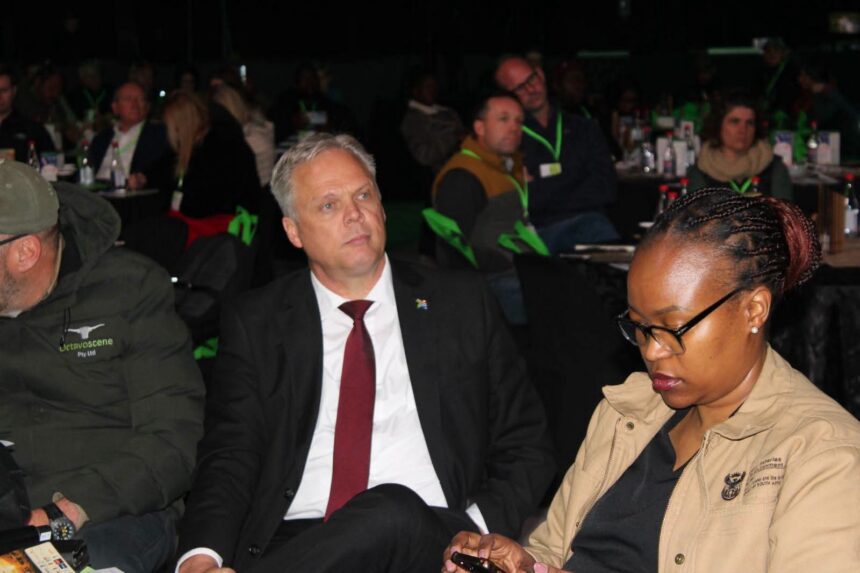
South Africa continues to intensify its efforts to protect the livestock industry from the threat of Foot and Mouth Disease (FMD), one of the most significant animal diseases affecting agricultural production and trade. Today, Minister Willie Aucamp is attending the Foot and Mouth Disease Symposium, where leading local and international experts, industry stakeholders and government representatives have gathered to address one of the country’s most pressing agricultural challenges. The symposium provides an important platform for exchanging scientific knowledge, discussing current disease control measures and identifying practical strategies to strengthen animal health across the country. By bringing together specialists from different sectors, the event aims to encourage collaboration and develop coordinated responses that support a healthier and more resilient livestock industry. The gathering also highlights the government’s continued commitment to protecting farmers, preserving agricultural productivity and maintaining confidence in South Africa’s livestock sector.
Foot and Mouth Disease remains a major concern for livestock producers because of its highly contagious nature and its ability to spread rapidly among cloven hoofed animals such as cattle, sheep, goats and pigs. Although the disease does not usually pose a significant threat to human health, its impact on agriculture can be severe. Outbreaks often result in movement restrictions, trade limitations, production losses and increased costs associated with disease control measures. These consequences affect commercial farmers, communal livestock owners and businesses operating throughout the agricultural value chain. Effective prevention and rapid response therefore remain essential for protecting livelihoods, ensuring food security and maintaining access to both domestic and international markets.
As part of today’s programme, Minister Willie Aucamp is scheduled to deliver the keynote address, where he will reaffirm the government’s commitment to protecting animal health and strengthening South Africa’s biosecurity systems. His address is expected to emphasise the importance of coordinated action between government departments, veterinary professionals, researchers, farmers and industry organisations. Strong leadership and effective partnerships are critical in responding to animal disease outbreaks and implementing long term prevention strategies. The keynote will also reinforce the need for continuous investment in surveillance, disease monitoring and veterinary services to ensure early detection and rapid containment of potential outbreaks. These priorities are essential for building a livestock sector that can withstand future animal health challenges.
A major focus of the symposium is strengthening collaboration among all stakeholders involved in animal health management. Scientists, veterinarians, policymakers and livestock producers each play an important role in preventing and controlling Foot and Mouth Disease. By sharing research findings, field experiences and practical solutions, participants can identify more effective approaches to disease management that benefit the entire agricultural sector. International experts also provide valuable insights based on successful disease control programmes implemented in other countries. Learning from global best practices enables South Africa to strengthen its own biosecurity systems while adapting proven strategies to local farming conditions.
Biosecurity continues to be one of the most effective tools in preventing the spread of Foot and Mouth Disease. Farmers are encouraged to implement strict livestock movement controls, maintain proper sanitation procedures and report suspected cases immediately to veterinary authorities. Good biosecurity practices reduce opportunities for disease transmission while protecting neighbouring farms and surrounding communities. Veterinary surveillance, regular inspections and public awareness campaigns also contribute significantly to national disease prevention efforts. When these measures are consistently applied, they improve the country’s ability to detect outbreaks early and respond before they spread widely.
The symposium also provides an opportunity to discuss practical solutions that strengthen the resilience of South Africa’s livestock industry. Building resilience requires more than responding to outbreaks after they occur. It involves investing in research, improving veterinary infrastructure, strengthening diagnostic capabilities and supporting farmers with the knowledge needed to reduce disease risks. Continued collaboration between government, research institutions and industry ensures that disease management strategies remain effective as new challenges emerge. These investments help protect livestock production while supporting economic growth and the long term sustainability of rural communities.
Public awareness remains an essential component of the national response to Foot and Mouth Disease. Campaigns such as #StopFMD and #ProtectOurLivestock encourage farmers and members of the public to understand the importance of reporting suspected cases and following disease control regulations. Increased awareness helps strengthen community participation in prevention efforts while reducing misinformation about the disease. Responsible livestock management, early reporting and cooperation with veterinary authorities all contribute to more successful disease control programmes. Every stakeholder has a role to play in protecting the country’s livestock resources and preserving the agricultural economy.
The Foot and Mouth Disease Symposium demonstrates South Africa’s ongoing commitment to protecting animal health through science, collaboration and strong leadership. Minister Willie Aucamp’s participation and keynote address reinforce the government’s determination to strengthen biosecurity, combat Foot and Mouth Disease and build a more resilient livestock industry. By bringing together local and international experts with industry stakeholders and government representatives, the symposium creates valuable opportunities to share knowledge and develop practical solutions that benefit farmers across the country. Continued investment in disease prevention, research, veterinary services and public awareness will remain essential for safeguarding South Africa’s livestock sector. Through coordinated action and shared responsibility, the country can strengthen its ability to prevent future outbreaks while protecting agricultural livelihoods, food security and economic growth.
Join 'Farmers Mag' WhatsApp Channel
Get the latest Farming news and tips delivered straight to your WhatsApp
CLICK HERE TO JOIN




