Poultry farming continues to be one of the fastest growing agricultural industries in South Africa, offering significant opportunities for food production, income generation and rural economic development. For many emerging farmers, poultry production provides an accessible entry point into commercial agriculture because it requires relatively smaller land areas and has the potential to generate regular returns. However, success in the poultry industry depends on more than simply raising chickens. Farmers need technical knowledge, sound business management skills and an understanding of sustainable production practices to build profitable enterprises. Recognising this need, the Limpopo Department of Agriculture and Rural Development (LDARD) is investing in farmer development through a comprehensive training programme designed to empower poultry producers in the Waterberg District.
The capacity-building programme is bringing together smallholder, subsistence, backyard and start-up poultry farmers from across the Waterberg District. The training is taking place at Fumani Lodge in Mookgopong and began this week, with activities scheduled to continue until Friday, 24 July 2026. The initiative reflects LDARD’s commitment to supporting emerging agricultural entrepreneurs by providing practical education that addresses the everyday challenges of poultry production. By focusing on skills development, the department aims to improve productivity while encouraging farmers to adopt sustainable farming methods. The programme also contributes to broader efforts to strengthen food security and expand opportunities within Limpopo’s agricultural sector.
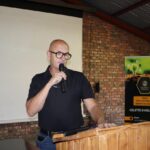
The training is facilitated by Dr. Lynette Seshoka from Tompi Seleka College of Agriculture, bringing valuable academic knowledge and practical industry experience to the participants. Her expertise allows farmers to gain insights into modern poultry production techniques while learning about the latest developments in the industry. The programme combines classroom learning with practical demonstrations, ensuring that participants understand both the theory and the real-world application of poultry management. This balanced approach helps farmers develop confidence in applying new techniques on their own farms. Learning from an experienced agricultural professional also provides participants with trusted guidance that can support the long term success of their enterprises.
The comprehensive nature of the training ensures that participants are exposed to a wide range of essential poultry farming topics. Effective poultry production requires careful management of housing, nutrition, disease prevention, biosecurity, breeding practices and overall flock health. Farmers who understand these areas are better equipped to reduce production losses while improving the quality and quantity of their output. Practical training also helps participants identify common challenges before they become costly problems. By strengthening technical knowledge, the programme supports more efficient and sustainable poultry farming operations.
Sustainability remains a key focus of the capacity-building programme. Sustainable poultry farming involves producing healthy birds while managing resources responsibly and protecting the surrounding environment. Farmers are encouraged to adopt practices that improve efficiency, minimise waste and maintain high standards of animal welfare. Sustainable production also contributes to long term business success by reducing unnecessary costs and improving resilience against changing market conditions. As environmental and economic pressures continue to influence agriculture, these practices become increasingly important for emerging producers.
The programme also creates valuable opportunities for networking and collaboration among poultry farmers from different communities across the Waterberg District. Agriculture often benefits from shared knowledge and collective problem solving, particularly among emerging producers facing similar challenges. Participants are able to exchange ideas, discuss successful farming methods and learn from one another’s experiences throughout the training. Building relationships with fellow farmers can lead to future partnerships, mentorship opportunities and ongoing support networks. These connections often continue well beyond the training period and contribute to stronger agricultural communities.
Empowering smallholder and start-up poultry farmers has broader economic and social benefits for the province. Successful poultry enterprises create employment opportunities, increase local food production and contribute to household incomes. As more farmers improve their production systems, they become better positioned to supply local markets, schools, businesses and consumers with quality poultry products. Expanding local poultry production can also reduce dependence on imported products while strengthening regional food systems. Government investment in farmer development therefore contributes directly to both rural development and economic growth.
The involvement of Tompi Seleka College of Agriculture further highlights the important role educational institutions play in agricultural development. Colleges and research institutions provide scientific expertise that helps farmers improve productivity through evidence based practices. Partnerships between government departments and agricultural education institutions strengthen the quality of training while ensuring that farmers receive current and relevant information. These collaborations help bridge the gap between agricultural research and practical farming. As a result, participants gain access to knowledge that supports innovation and continuous improvement.
At the conclusion of the programme, participants who successfully complete the training will receive certificates of achievement in recognition of their commitment and newly acquired skills. These certificates represent more than formal recognition because they reflect the farmers’ dedication to improving their businesses and embracing professional development. The knowledge gained during the programme will help participants make better management decisions, improve production efficiency and build more sustainable poultry enterprises. Through initiatives such as this capacity-building programme, the Limpopo Department of Agriculture and Rural Development continues to demonstrate its commitment to empowering emerging farmers and strengthening the agricultural sector. By investing in education, practical skills and sustainable farming practices, LDARD is helping create a stronger, more productive and resilient poultry industry that will benefit farmers, communities and the province for years to come.
Join 'Farmers Mag' WhatsApp Channel
Get the latest Farming news and tips delivered straight to your WhatsApp
CLICK HERE TO JOIN