

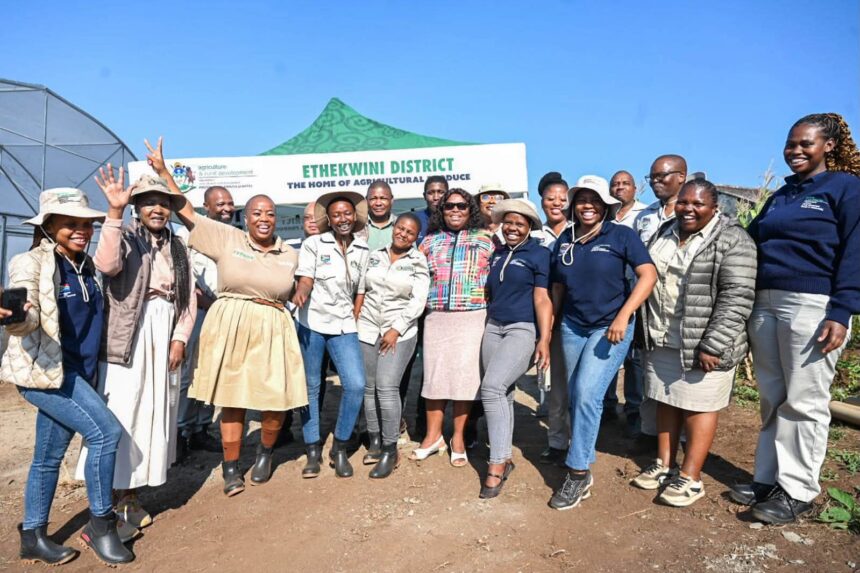
The KwaZulu-Natal Department of Agriculture and Rural Development is placing young people at the center of agricultural development after declaring 2026 the Year of the Youth. Led by Hon. MEC Thembeni kaMadlopha-Mthethwa, the department has committed itself to creating more opportunities for young farmers through targeted support programmes that promote entrepreneurship, innovation and sustainable agricultural production. The initiative recognizes that young people have a critical role to play in securing the future of South Africa’s agricultural sector while addressing challenges such as unemployment, food insecurity and rural poverty. By investing in youth-led farming enterprises, the department aims to build a stronger, more inclusive agricultural economy that benefits both rural communities and the province as a whole. The declaration represents more than a symbolic commitment, as it is supported by practical programmes designed to help young farmers succeed.
Agriculture continues to offer significant opportunities for young entrepreneurs who are willing to embrace modern farming methods and innovative business practices. As the demand for food continues to grow, young farmers are increasingly becoming important contributors to agricultural production, value addition and rural economic development. However, many aspiring farmers face challenges that include limited access to land, finance, equipment, training and markets. Recognizing these barriers, the KwaZulu-Natal Department of Agriculture and Rural Development has introduced programmes that provide practical support to help young people establish and expand sustainable farming businesses. These interventions are helping to create an environment where young agricultural entrepreneurs can develop the skills and confidence needed to build successful enterprises.
One of the primary goals of the department’s youth-focused programmes is to equip young farmers with the knowledge and resources required to operate profitable agricultural businesses. Beneficiaries receive support that may include technical training, mentorship, production guidance and assistance in improving farming practices. Access to agricultural extension services allows young producers to adopt more efficient methods while improving productivity and product quality. Learning about modern technologies, climate-smart agriculture and business management also strengthens their ability to compete in an increasingly demanding agricultural market. These opportunities enable young farmers to move beyond subsistence production and develop commercially viable farming operations.
The department’s support extends beyond agricultural production by encouraging entrepreneurship and long-term business sustainability. Young farmers are being empowered to view agriculture as a professional career capable of generating stable incomes and creating wealth. Through proper planning, financial management and market development, beneficiaries are better positioned to build resilient farming enterprises that can adapt to changing economic and environmental conditions. Sustainable farming practices also help protect natural resources while ensuring continued production for future generations. This balanced approach contributes to stronger businesses and healthier farming communities across KwaZulu-Natal.
Employment creation remains one of the most important outcomes of empowering young farmers. As agricultural businesses expand, they often require additional workers for planting, harvesting, processing, transportation and administration. These employment opportunities contribute directly to reducing unemployment, particularly in rural areas where economic opportunities are often limited. Young farmers who establish successful enterprises also become role models within their communities, inspiring others to consider agriculture as a rewarding career path. The growth of youth-owned farming businesses therefore creates benefits that extend well beyond individual beneficiaries.
Food security is another major objective of the department’s investment in youth development. Successful young farmers contribute to increased food production by cultivating crops, raising livestock and supplying local markets with fresh agricultural products. Greater agricultural output helps improve food availability while strengthening local food systems and reducing dependence on imported products. Communities benefit from improved access to nutritious food while farmers generate income from expanding market opportunities. Supporting youth participation in agriculture therefore strengthens both household livelihoods and the province’s overall food security.
Innovation has become a defining characteristic of many young farmers entering the agricultural sector. Younger generations are often more willing to adopt digital technologies, precision farming techniques and climate-smart production methods that improve efficiency and sustainability. Many are embracing mobile applications, mechanization, irrigation technologies and improved production systems to increase yields while reducing production costs. These innovations help agricultural enterprises remain competitive in a rapidly changing industry. By encouraging young people to combine traditional farming knowledge with modern technology, the department is helping shape a more productive agricultural future.
The department has also highlighted the inspiring stories of young beneficiaries whose farming journeys have been transformed through government support. These young men and women represent the positive impact that targeted investment can have on emerging agricultural entrepreneurs. With access to training, mentorship and practical assistance, many have expanded their farming operations, increased production and created employment opportunities within their communities. Their achievements demonstrate that agriculture offers real opportunities for young people who are prepared to work hard and embrace continuous learning. These success stories encourage other aspiring farmers to pursue similar opportunities and contribute to the growth of the agricultural sector.
Strong partnerships between government, farming communities, educational institutions and the private sector continue to play an important role in youth agricultural development. Collaboration allows beneficiaries to access a wider range of resources, technical expertise and business opportunities that strengthen their enterprises. Ongoing mentorship and networking also help young farmers overcome common challenges associated with starting and growing agricultural businesses. Building these support systems ensures that beneficiaries receive continued guidance beyond their initial participation in government programmes. Such partnerships contribute to the long-term sustainability of youth-led agricultural enterprises across the province.
The declaration of 2026 as the Year of the Youth reflects the KwaZulu-Natal Department of Agriculture and Rural Development’s commitment to investing in the next generation of agricultural leaders. By equipping young farmers with practical skills, business knowledge and access to development opportunities, the department is helping them build sustainable enterprises that support economic growth, create employment and strengthen food security. The inspiring achievements of programme beneficiaries demonstrate the positive results that can be achieved when young people receive meaningful support and encouragement. As more young farmers enter the agricultural sector with confidence and determination, KwaZulu-Natal is laying the foundation for a stronger, more innovative and more resilient farming industry. Through continued investment in youth empowerment, the province is ensuring that agriculture remains a key driver of opportunity, prosperity and sustainable rural development for generations to come.
Join 'Farmers Mag' WhatsApp Channel
Get the latest Farming news and tips delivered straight to your WhatsApp
CLICK HERE TO JOIN




