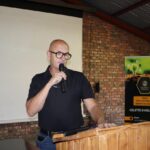
Innovation and smart farming are becoming essential tools for shaping the future of South Africa’s agricultural sector. As climate change, population growth and evolving consumer demands continue to place pressure on food production systems, the need for modern agricultural solutions has never been greater. Recognizing these challenges, North-West University’s Mahikeng Campus hosted an important engagement focused on the future of the country’s agrifood systems. The event brought together government leaders, students and young farmers to explore how technology, innovation and collaboration can transform agriculture into a more productive, sustainable and inclusive industry. By encouraging dialogue between experienced policymakers and the next generation of agricultural leaders, the initiative aims to prepare South Africa for the future of farming.
Deputy Minister Nokuzola Capa and North West Department of Agriculture and Rural Development MEC Madoda Sambatha led discussions with students, young farmers and other stakeholders on the opportunities and challenges facing South Africa’s agrifood sector. Their engagement emphasized the importance of empowering young people with the knowledge, skills and resources needed to participate meaningfully in modern agriculture. Bringing government leaders directly into conversations with future farmers allows policies to be informed by fresh ideas while ensuring that young people understand the support available to them. Such engagements also strengthen partnerships between educational institutions, government departments and agricultural communities. These relationships are essential for developing practical solutions that address both current and future challenges within the sector.
One of the major themes of the discussions was the growing importance of climate-smart agriculture. Farmers across South Africa are increasingly facing unpredictable weather patterns, prolonged droughts, floods and rising temperatures that affect agricultural productivity. Climate-smart farming practices help producers adapt to these conditions while improving environmental sustainability and maintaining food production. Techniques such as efficient water management, conservation agriculture, improved crop selection and sustainable soil management allow farmers to become more resilient to climate-related risks. Promoting these approaches among young farmers ensures that future agricultural enterprises are better prepared to respond to changing environmental conditions.
Digital agriculture also featured prominently during the discussions as participants explored how technology is transforming farming operations around the world. Digital tools enable farmers to collect and analyze data that supports better decision-making throughout the production cycle. Technologies such as satellite imagery, drones, mobile applications, sensors and artificial intelligence allow producers to monitor crops, livestock and weather conditions with greater accuracy. These innovations improve efficiency by helping farmers optimize irrigation, fertilizer application, pest management and harvesting schedules. As digital technologies become more accessible, they are creating opportunities for farmers of all sizes to improve productivity while reducing production costs.
Modern farming practices continue to play a critical role in improving agricultural performance across South Africa. Mechanization, improved genetics, precision farming techniques and sustainable production systems are helping farmers increase yields while making more efficient use of natural resources. Adopting modern production methods also contributes to better product quality and stronger competitiveness in domestic and international markets. Young farmers entering the industry today have access to technologies and knowledge that were unavailable to previous generations. Equipping them with practical skills allows them to build profitable and environmentally responsible agricultural businesses.
Increasing productivity remains one of the primary goals of introducing innovation into agriculture. Higher productivity allows farmers to produce more food using available resources while improving profitability and supporting national food security. Efficient farming systems reduce waste, improve resource management and strengthen resilience against economic and environmental challenges. Higher productivity also benefits consumers by contributing to more stable food supplies and supporting affordable food production. Investments in agricultural innovation therefore create value throughout the entire food system, from producers to consumers.
Food security remains a national priority, making innovation an essential part of South Africa’s long-term development strategy. A growing population requires increased food production while natural resources such as water and arable land remain limited. Sustainable agricultural technologies help maximize production without placing unnecessary pressure on the environment. By combining scientific research, modern farming techniques and practical experience, the agricultural sector can continue meeting future food demand while protecting natural ecosystems. Supporting innovation today helps secure reliable food supplies for future generations.
The discussions also highlighted the growing opportunities available to young agripreneurs. Agriculture is no longer limited to traditional farming but now includes technology development, agribusiness management, food processing, logistics, financial services and digital innovation. Young entrepreneurs are increasingly finding opportunities to develop businesses that solve agricultural challenges through creative thinking and modern technology. Universities play a valuable role in nurturing these entrepreneurs by providing education, research opportunities and access to industry networks. Encouraging innovation among young people strengthens the agricultural economy while creating employment opportunities across multiple sectors.
An important aspect of the dialogue focused on the contribution of G20 legacy projects to agricultural development. These projects are expected to support innovation, strengthen technical skills and create sustainable opportunities for young people entering the agricultural sector. Investments linked to G20 initiatives can improve research, technology transfer, infrastructure development and educational programs that benefit future generations of farmers. Building long-term agricultural capacity requires continuous investment in both people and technology. The discussions emphasized that legacy projects should produce lasting benefits that extend well beyond individual events or policy announcements.
North-West University’s Mahikeng Campus provided an ideal setting for these forward-looking conversations because universities serve as important centers for research, innovation and skills development. Academic institutions help bridge the gap between scientific research and practical farming by developing solutions that respond to real agricultural challenges. Students benefit from engaging directly with policymakers and industry leaders while gaining insight into emerging trends shaping the future of agriculture. These interactions encourage collaboration and inspire young people to pursue careers that contribute to food production and rural development. Strong partnerships between universities and government continue to strengthen South Africa’s agricultural innovation ecosystem.
The engagement at North-West University demonstrated that innovation and smart farming will remain central to the future success of South Africa’s agrifood systems. Through meaningful discussions led by Deputy Minister Nokuzola Capa and MEC Madoda Sambatha, young farmers and students explored how climate-smart technologies, digital agriculture and modern farming practices can improve productivity, strengthen food security and create new economic opportunities. The dialogue also reinforced the importance of G20 legacy projects in building skills, advancing innovation and empowering the next generation of agricultural leaders. As South Africa continues investing in technology, education and collaboration, the country is creating a stronger foundation for a resilient, competitive and sustainable agricultural sector that will benefit communities and the economy for many years to come.
Join 'Farmers Mag' WhatsApp Channel
Get the latest Farming news and tips delivered straight to your WhatsApp
CLICK HERE TO JOIN